

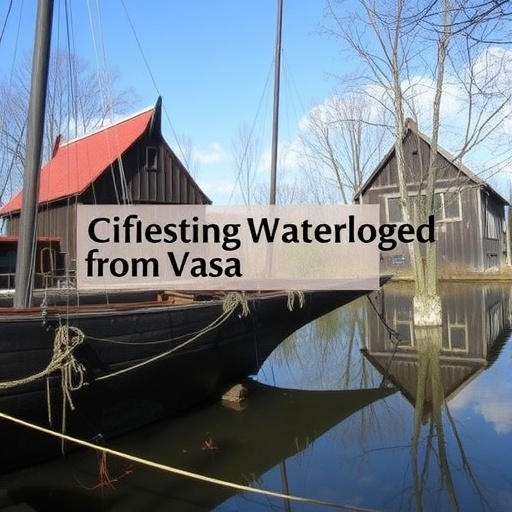
The preservation of waterlogged archaeological wood has been a subject of intense study, with the infamous Vasa ship serving as a cornerstone of modern conservation practices. This monumental vessel, which sank in Stockholm Harbor in 1628, has provided invaluable insights into the complexities of conserving organic materials that have spent centuries submerged in water. Its fate and resurrection have not only captivated historians and archaeologists alike but have also shaped methodologies that prioritize the longevity and structural integrity of ancient wooden artifacts. The recent research spearheaded by Feng, Tzeng, and Zhou delves even deeper into the principles learned from the Vasa experience, painting a picture of advanced conservation techniques tailored to safeguard historical wooden relics from decay.
Diving into the crux of their study, the authors emphasize the biological and environmental factors that contribute to the deterioration of waterlogged wood. These factors include microbial growth, chemical changes due to prolonged exposure to water, and the eventual structural weakening of the wood fibers. Their rigorous investigation sheds light on the interaction between wood and waterlogged environments, articulating how these conditions necessitate urgent intervention by conservators. By analyzing the Vasa’s treatment, the researchers offer a systematic approach to identifying what works and what does not when it comes to maintaining such delicate materials.
The research focuses predominantly on specific techniques that emerged from the Vasa project, including the application of polyethylene glycol (PEG) and other treatment methodologies aimed at preventing shrinkage and cracking during the drying process. The dilemma of transitioning wood from a saturated state to a stable, air-dried condition is further explored, with PEG being highlighted as a crucial agent in replacing water within the wood’s cellular structure. This process is vital not only for physical stability but also for preserving the wood’s historical integrity.
Moreover, Feng, Tzeng, and Zhou underscore the importance of interdisciplinary cooperation, as breakthroughs are often the product of combining insights from fields such as chemistry, biology, and material science. The research reveals how each of these domains contributes to a holistic understanding of conservation challenges. For instance, a chemist’s knowledge of molecular interactions and a biologist’s grasp of decay processes complement the conservator’s practical expertise to yield better outcomes in the preservation landscape.
The authors delve into the prevention of biological decay, highlighting novel approaches to mitigating the risks posed by fungi and bacteria that thrive in waterlogged environments. One technique shared in the study involves the strategic use of biocides, which can selectively target harmful organisms without introducing new risks to the artifact itself. Effective biocide application, as highlighted by earlier Vasa experiences, not only protects the wooden relics but also respects the artifact’s historical significance.
The research does not shy away from discussing the potential pitfalls associated with various conservation methods. It notes that while PEG is a popular choice, its application is laden with challenges that conservators must navigate carefully. The risk of over-saturation and the resultant alteration of wood properties cannot be understated, thereby emphasizing the necessity for oversight and adjustment based on real-time observations of treatment efficacy.
In addition to chemical treatments, the authors advocate for the use of passive techniques that support wooden structures during active conservation efforts. These passive methods include controlled environmental conditions, such as maintaining appropriate humidity levels to prevent rapid drying that could lead to cracking. The integration of passive and active approaches contributes to creating a comprehensive framework for successful conservation practices.
Feng, Tzeng, and Zhou also highlight a growing trend within archaeological conservations—the use of digital technologies in documentation and analysis. The incorporation of 3D imaging and scanning provide not only records of the object’s current state but also enable future conservators to retrieve a baseline for comparison. The use of augmented reality (AR) tools in public presentations is making the relevance of these ancient artifacts resonate with modern audiences, fostering a deeper appreciation for archaeological conservations.
In a fascinating turn, the authors weave in the philosophical considerations of conservation ethics. They discuss how conservationists often grapple with balancing the desire to restore an object to its former glory against preserving its authenticity. The Vasa’s restoration became a symbol of this delicate balance, raising moral questions about what constitutes ‘authentic’ preservation. The stubborn reality that some damage is irreparable and must be accepted poses a critical challenge for modern conservators.
Throughout the research, the dialogue surrounding the Vasa serves as a crucial pivot for understanding ongoing conservation practices. The authors emphasize that while the methodologies may evolve, the lessons learned from the tragic sinking of this historic ship provide a foundation upon which future conservation initiatives can be built. The interdisciplinary nature of the research resonates throughout their findings, captivating not only a specialized audience but also the general public, drawing interest to the antiquities that tell our story.
In sum, the work by Feng, Tzeng, and Zhou marks another significant contribution to the ongoing dialogue about conserving waterlogged wood. As they synthesize years of research and practical application learned from the Vasa project, they offer hope for the enduring legacies that our historical artifacts represent. Their detailed examination of techniques used, both old and new, frames a future where conservation science continues to evolve—balancing the demands of preservation with the realities of our environmental interactions.
In the ever-questioning field of archaeology, this study acts not just as a manual for future conservators, but it becomes an inspirational call to ensure that our underwater histories are upheld, respected, and ultimately shared, fostering dialogue and understanding across generations.
Subject of Research: Conservation of waterlogged archaeological wood based on the Vasa experience.
Article Title: Conservation of waterlogged archaeological wood: what we can learn from the Vasa experience?
Article References:
Feng, N., Tzeng, Y. & Zhou, L. Conservation of waterlogged archaeological wood: what we can learn from the Vasa experience?. asian archaeol 8, 143–151 (2024). https://doi.org/10.1007/s41826-024-00090-y
Image Credits: AI Generated
DOI: https://doi.org/10.1007/s41826-024-00090-y
Keywords: conservation, archaeology, Vasa, waterlogged wood, preservation techniques, interdisciplinary approaches, digital technologies, conservation ethics.


