

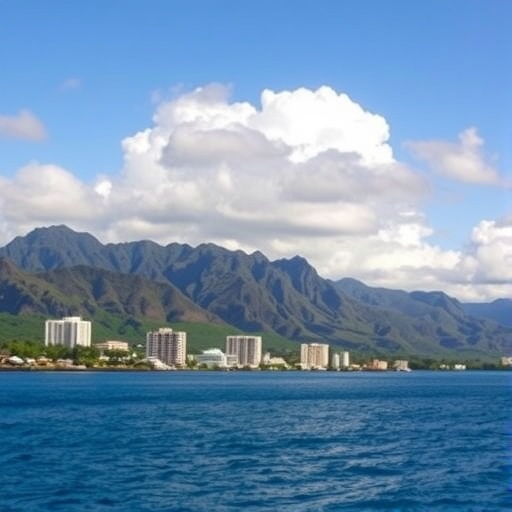
In August 2023, the Lahaina community on Maui experienced a devastating wildfire that swept through residential areas and reached the coastline, leading to an unprecedented environmental crisis. With the destruction of thousands of structures and the loss of many lives, the effects of this natural disaster extended beyond immediate human loss and property damage. Researchers have now turned their attention toward assessing how this catastrophic event impacted the chemical and microbiological quality of beach water along the coast. These assessments highlight an often-overlooked but vital aspect of environmental health and public safety.
The research conducted assesses coastal water quality in the aftermath of the Lahaina wildfire, emphasizing the relationship between wildfires and coastal ecosystems. Traditionally, wildfires are known to release substantial amounts of particulate matter and pollutants into the air and water. As vegetation burns, the natural filtration systems of the environment are compromised, leading to potential contamination of nearby water bodies. The implications of these changes could be significant not only for local marine life but also for the health of residents and visitors who rely on these beaches for recreation and subsistence.
One crucial aspect of the investigation involves analyzing the chemical composition of the beach water. Researchers utilized advanced analytical techniques to measure the presence of heavy metals, polycyclic aromatic hydrocarbons (PAHs), and other contaminants that may have been introduced or elevated as a result of the fire. Heavy metal contamination, commonly associated with industrial activity and combustion processes, can pose serious long-term risks for both aquatic organisms and human populations. The presence of PAHs, known for their carcinogenic properties, presents a particularly concerning risk, as they can bioaccumulate in marine life.
In the wake of the wildfire, there was an increased focus on sampling techniques to accurately capture water quality. This involved not only surface water sampling but also the assessment of sediment samples along the beaches. Sediment can act as a reservoir for pollutants; therefore, analyzing sediment composition is crucial for understanding the potential risks associated with trapped contaminants. The scientists’ methodology underscores the importance of employing a multi-faceted approach to environmental monitoring during recovery phases after such disasters.
Another essential aspect of the research is the examination of microbiological parameters in the coastal waters surrounding Lahaina. The wildfires can lead to the proliferation of pathogens, particularly in areas where the natural filtration of water is compromised. Bacterial contamination can result from debris, ash, and organic materials entering the water, which can lead to harmful algal blooms and other adverse effects on marine ecosystems. Evaluating the levels of common pathogens, such as E. coli and other fecal indicator bacteria, helps gauge the potential public health risks associated with swimming or engaging in other water-related activities.
The results of this research not only enhance scientific understanding of the broader ecological implications of wildfires but also serve as a warning to vulnerable coastal communities worldwide. The interplay between wildfires and water quality underscores an urgent need for proactive environmental management strategies and immediate responses following natural disasters. These strategies should include monitoring programs aimed at identifying and mitigating pollution sources that arise from such catastrophic events, ensuring that human health and environmental integrity are protected.
Furthermore, studying the impact of the Lahaina wildfire contributes to a growing body of literature that connects climate-related events to environmental degradation. As climate change leads to more extreme weather patterns, including prolonged droughts and intensified wildfires, scientific inquiry must pivot toward understanding how these changes impact coastal ecosystems. The findings from Lahaina could inform future research and regulatory measures to protect vulnerable coastal areas from similar threats.
The collaboration among researchers, local agencies, and the community is paramount in addressing the challenges posed by the Lahaina wildfire’s aftermath. Engaging with local stakeholders provides valuable perspectives and knowledge that can enhance research outcomes, allowing scientists to tailor their methods to the specific community needs. This collaborative effort is critical for developing effective strategies to monitor water quality and implement intervention measures to mitigate contamination risks.
Moreover, the Lahaina wildfire highlights the complexities of managing coastal water quality in the context of climate change and natural disasters. Policymakers must consider these findings when establishing guidelines for land use and environmental protection. As coastal development continues, safeguarding our water resources requires integrating ecological research into planning and regulatory processes to inform sustainable practices.
As this research is published, it paves the way for future inquiries into the long-term effects of wildfires on coastal ecosystems and their inhabitants. It underscores the essential role of scientists and environmental agencies in adapting and evolving methodologies to address the unique challenges posed by post-wildfire environments.
In conclusion, the research surrounding the impact of the Lahaina Maui wildfire on coastal water quality offers critical insights into the intersection of natural disasters and environmental health. As communities work toward recovery, it is paramount to ensure that environmental monitoring is prioritized. Protecting water quality is not just an ecological concern but a public health imperative that serves to safeguard lives and livelihoods in the face of escalating climate challenges.
Subject of Research: The impact of the Lahaina Maui wildfire on chemical and microbiological quality of coastal beach water.
Article Title: Assessing the impact of the Lahaina Maui wildfire on chemical and microbiological quality of coastal beach water.
Article References: Zou, Y., Jeon, M.K., Wang, X. et al. Assessing the impact of the Lahaina Maui wildfire on chemical and microbiological quality of coastal beach water. Environ Monit Assess 198, 72 (2026). https://doi.org/10.1007/s10661-025-14887-6
Image Credits: AI Generated
DOI: https://doi.org/10.1007/s10661-025-14887-6
Keywords: wildfire, coastal water quality, environmental health, Lahaina, pollution, chemical analysis, microbiological assessment, climate change.


