

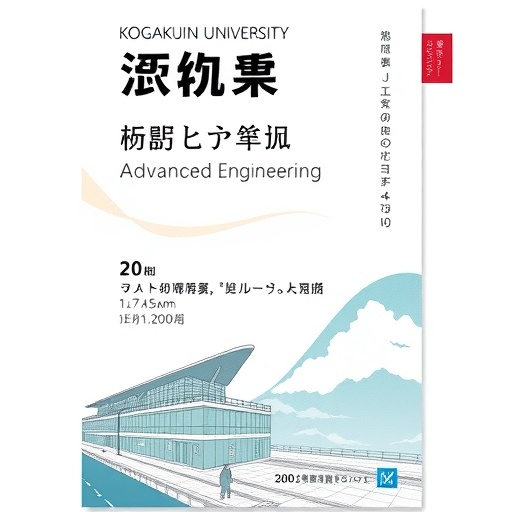
Kogakuin University Unveils Groundbreaking Global Volume on Engineering Education Management
Kogakuin University has announced a transformative addition to the field of engineering education with the forthcoming publication of “Global Engineering Educational Management: Comparative Trends and Insights,” set to be released by Springer Nature. This authoritative volume is slated to join the esteemed Emergent Directions in Engineering Education book series, marking a pivotal moment coinciding with the tenth anniversary of the university’s School of Advanced Engineering. This initiative embodies not only a celebratory milestone but also a strategic academic endeavor designed to redefine and enrich the future landscape of engineering education worldwide.
This comprehensive scholarly work seeks to aggregate the expertise and insights of senior faculty leaders, academic administrators, and engineering education experts hailing from over fifteen countries. By cultivating an inclusive discourse that incorporates diverse cultural and institutional experiences, the volume aspires to become an indispensable reference tool for educators, policymakers, and institutional strategists alike. The core thrust of the publication lies in its critical examination of global trends, systemic innovations, and the multifaceted challenges confronting engineering education in the rapidly evolving 21st century.
Fundamental to this book project is its rigorous comparative methodology, which juxtaposes varying educational frameworks and management models across continents. Such an approach not only highlights best practices but also exposes systemic disparities and areas requiring urgent reform. By providing granular analyses and rich case studies, the volume ventures beyond theoretical constructs, offering actionable insights grounded in empirical data and contextual realities.
Professor Toshinori Okura, Dean of the School of Advanced Engineering at Kogakuin University, along with Visiting Scholar Santosh Miryala, helm the editorial leadership of this endeavor. Their combined expertise embodies a fusion of academic rigor and visionary leadership, guiding the editorial process to ensure the inclusion of contemporary perspectives on engineering education’s intersection with global sustainability objectives. Their stewardship guarantees that the volume maintains a robust alignment with international efforts to foster educational environments conducive to achieving the United Nations Sustainable Development Goals (SDGs).
The timing of this publication is particularly significant, emerging in an era where artificial intelligence (AI) is reshaping educational paradigms at an unprecedented pace. Santosh Miryala articulates this transformation, emphasizing how AI serves not only as a technological catalyst but also as a disruptive force driving innovation and underscoring the urgency for enhanced collaboration between academia and industry on a global scale. This dynamic interplay necessitates new management strategies that reconcile technological advancement with pedagogical integrity.
In addition to addressing technological impacts, the book critically explores the managerial and organizational dimensions of engineering education. It probes the evolving governance structures within universities, the integration of interdisciplinary curricula, and strategies to foster inclusive learning environments that reflect diversity and equity imperatives. These reflections are vital to nurturing future engineers who are not only technically proficient but also socially responsible and globally aware.
Central to the volume’s narrative is the commitment to globalization—an aspiration that resonates profoundly with Kogakuin University’s strategic vision. The project embodies a concerted effort to transcend localized educational models, advocating for a harmonized framework that supports mobility, exchange, and mutual enrichment among international engineering education institutions. This global orientation seeks to cultivate engineers equipped to navigate and lead within increasingly interconnected and complex systems.
The editors underscore the importance of this volume as part of a broader dialogue aimed at evolving engineering education to meet the demands of future societies. Through detailed case studies drawn from diverse national contexts, readers are invited to engage with success stories and cautionary tales alike, thereby fostering a nuanced understanding of what constitutes effective educational management amidst technological and societal change.
“The milestone of the tenth anniversary provides a moment to reflect and project the trajectory of engineering education at Kogakuin University,” reflects Professor Okura. “Our aspiration is to chart a path that aligns deeply with sustainable development and prepares learners for a future where engineering solutions are integral to solving global challenges.” This forward-looking stance encapsulates a proactive embrace of the transformative potential of education.
Ultimately, this volume lays a foundation for future academic inquiry and practical reforms by offering a meticulously curated compendium of comparative studies, reflective essays, and policy analyses. It is poised to become a cornerstone text for those dedicated to reimagining the contours of engineering education management for the 21st century and beyond.
Following its publication, formal announcements will be made to further amplify the discourse generated by the book, signaling Kogakuin University’s ongoing leadership role in pioneering global academic collaborations aimed at educational excellence and innovation.
Subject of Research:
Global trends and management strategies in engineering education, with emphasis on sustainability, technological impact (especially AI), and international collaboration.
Article Title:
Kogakuin University Unveils Groundbreaking Global Volume on Engineering Education Management
News Publication Date:
January 19, 2026
Image Credits:
Kogakuin University
Keywords:
Engineering education, global collaboration, educational management, artificial intelligence, sustainable development goals, academic leadership, higher education innovation, interdisciplinary curricula, policy analysis, international education trends, future skills development


