

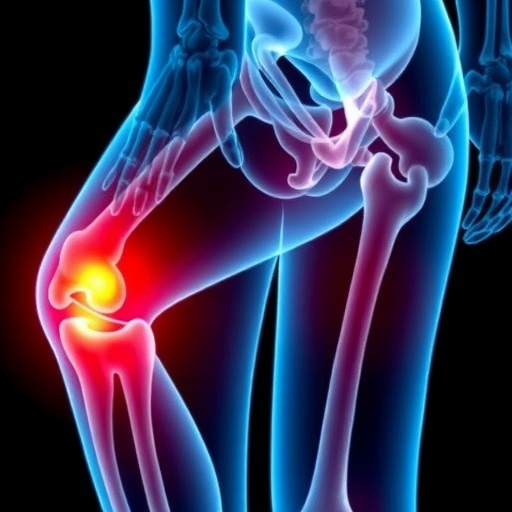
In recent years, the growing concern surrounding osteoporosis and its consequential health complications has gained considerable attention, especially regarding hip fractures among the aging population. A pivotal study conducted in Japan spanning from FY2012 to FY2023 sheds light on the trends in hip fractures and the treatment of osteoporosis in this demographic. This comprehensive examination was spearheaded by Nakatoh, Fujimori, and Ishii, who meticulously analyzed the data to reveal significant patterns and implications for public health.
Japan, known for its rapidly aging population, is at a critical juncture concerning health care, particularly in relation to osteoporosis—a disease characterized by diminished bone density and increased fracture risk. The study aims to quantify the incidence of hip fractures, which serve as a serious indicator of osteoporosis progression and associated mortality risks. Understanding these trends is indispensable for the development of effective prevention and treatment strategies, particularly in a country where the elderly are expected to outnumber the younger population significantly.
The statistical analyses conducted by the researchers indicate a worrying increase in the incidence of hip fractures in Japan over the examined fiscal years. This rise is attributed to various factors, including an aging society, environmental influences, and lifestyle changes that contribute to weakened bones. Each of these factors plays an intricate role in understanding how and why this health crisis is escalating at an alarming rate.
Equally crucial to the study is the examination of how osteoporosis treatments have evolved over this same period. The researchers explored the availability and adoption of pharmaceutical interventions, such as bisphosphonates, denosumab, and newer agents like romosozumab. This exploration is vital because despite the increasing incidence of hip fractures, there is an encouraging trend in the uptake of osteoporosis treatments, which may ultimately contribute to mitigating fracture risks in high-risk populations.
Gauging public awareness and the role of healthcare systems in Japan is another significant aspect of this study. The researchers delve into educational initiatives aimed at raising awareness of osteoporosis and the importance of early diagnosis and treatment. This educational angle is crucial, as many individuals may feel unaware of their risks until it is too late. Understanding the gravity of osteoporosis and engaging with preventive measures can drastically alter the landscape of bone health among the Japanese population.
Moreover, the socio-economic ramifications of hip fractures cannot be underestimated. The costs associated with treating these fractures are substantial, not only for the healthcare system but also for families and communities. The researchers outline the challenges posed by these economic strains, emphasizing the need for a multifaceted approach that includes both prevention and effective treatment pathways. By addressing these costs and investing in public health initiatives, Japan could potentially alleviate much of the financial burden associated with osteoporosis-related fractures.
From a clinical standpoint, the findings of the study are crucial for orthopedic surgeons, geriatricians, and primary care physicians alike, who play an essential role in the management of patients with osteoporosis. By identifying trends in fracture incidence and treatment, these healthcare providers can better tailor their approaches, possibly altering treatment protocols to prioritize high-risk individuals more effectively. The insights gathered from the study advocate an integrated model of care where attention to bone health is continually emphasized.
In addition to medical practitioners, policymakers will find the results of this study compelling. Understanding the trends in osteoporosis treatment and hip fracture incidence can inform the development of national health policies aimed at improving outcomes for those at risk. The implications of this research stretch beyond immediate healthcare provisions; it has the potential to shape legislation that prioritizes preventive care and the management of osteoporosis on a broader scale.
The details of this study underscore the vital need for continuous research into osteoporosis and its treatment. As the study ends with a nod to future directions, it highlights gaps in the current understanding of how environmental factors, diet, and exercise intertwine with osteoporosis risk. Future research must address these elements, as well as continuing to evaluate the long-term outcomes of current treatment regimens to ensure that patients are receiving the most effective care possible.
In summary, Nakatoh, Fujimori, and Ishii’s analysis reveals a multifaceted perspective on the troubling upward trend of hip fractures and osteoporosis treatment in Japan from FY2012 to FY2023. As the country navigates its healthcare challenges associated with an aging population, their findings serve as both a warning and a call to action for healthcare professionals, policymakers, and society to prioritize osteoporosis awareness, prevention, and treatment. The data from this research will, without a doubt, bolster the ongoing conversation surrounding bone health in Japan and beyond, fostering a more informed approach to a condition that dramatically impacts the lives of millions.
The implications of this research extend far beyond Japan’s borders, echoing in other nations facing similar demographic shifts. The data-driven insights presented open the door to comparative studies across different populations, potentially allowing for new, international frameworks for understanding and managing osteoporosis on a global scale.
As we look toward the future, it is evident that understanding the trends in the incidence of hip fractures and the effectiveness of osteoporosis treatment will continue to be pivotal in the discourse surrounding aging populations. The comprehensive nature of this study lays a foundation for further exploration and action—a crucial step in safeguarding the health of individuals against one of the most insidious and pervasive diseases of aging.
Subject of Research: Trends in the incidence of hip fractures and osteoporosis treatment in Japan
Article Title: Trends in the incidence of hip fractures and osteoporosis treatment in Japan (FY2012–FY2023)
Article References: Nakatoh, S., Fujimori, K., Ishii, S. et al. Trends in the incidence of hip fractures and osteoporosis treatment in Japan (FY2012–FY2023). Arch Osteoporos 21, 16 (2026). https://doi.org/10.1007/s11657-025-01650-0
Image Credits: AI Generated
DOI: https://doi.org/10.1007/s11657-025-01650-0
Keywords: osteoporosis, hip fractures, treatment trends, aging population, public health policy


