


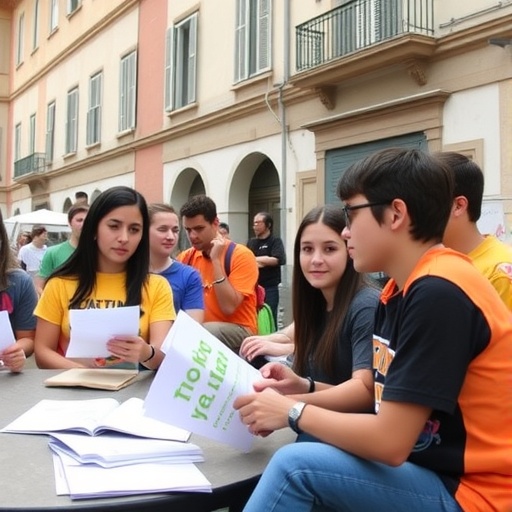
In the contemporary global arena, the importance of civic engagement among young people has increasingly become a focal point for educators, policymakers, and researchers alike. Within this sphere, one of the key studies shedding light on the civic proficiency of students is the International Civic and Citizenship Education Study (ICCS) 2016. Recent findings from Italy, detailed in the scholarly work by Damiani, Caponera, and Losito, delve deeper into the civic engagement levels of Grade 8 students. This comprehensive examination, which encompasses vital data and insights, portrays a vivid landscape of youth participation in civic activities, their perceptions of citizenship, and the factors influencing their involvement.
The report draws from a meticulous analysis of data collected through the ICCS 2016, which is a prominent global research initiative dedicated to investigating the civic and citizenship knowledge and attitudes of students. The study highlights that civic education is not merely about understanding governmental structures but also involves fostering critical thinking and an active disposition towards civic responsibilities. This focus has never been more essential, especially as societies grapple with socio-political challenges and the rising tide of misinformation that can hinder informed citizenship.
A particularly important aspect of the analysis lies in understanding what shapes the civic attitudes of Italian students. The findings indicate a complex interplay between educational context, familial influence, and exposure to civic experiences. Students who reported greater opportunities for civic engagement in school—such as participating in community service projects or school governance—tended to exhibit a higher level of civic knowledge and engagement. This correlation between educational practices and civic outcomes underscores the need for educators to implement robust civic curricula that encourage action and empowerment.
Furthermore, the research reveals specific demographic trends in civic engagement among young Italians, demonstrating that factors such as socio-economic status and regional differences play a significant role. The study shows that students from more affluent backgrounds often benefit from enriched opportunities for civic participation, leaving behind those from underserved communities. The report calls for policies that target these disparities, ensuring equitable access to civic education and engagement opportunities for all students, thereby fostering a more inclusive civic culture.
In examining students’ perceptions of citizenship, the study provides a rich contextual framework. Many students express a strong sense of national identity, yet there are mixed feelings regarding their perceived ability to influence public affairs. While a good number feel empowered to make a difference, others express disillusionment, a sentiment that has been exacerbated by contemporary political climates and social issues. Understanding these attitudes is crucial, as they significantly affect students’ willingness to participate in civic activities, such as voting or community service.
Moreover, the role of digital technology and social media in shaping civic engagement among youth cannot be underestimated. The findings suggest that while these platforms can serve as valuable tools for mobilization and advocacy, they can also complicate the landscape of civic discourse. Many young people turn to the internet for information, yet the prevalence of misinformation can lead to confusion and apathy regarding civic responsibilities. The study highlights the necessity of teaching media literacy alongside traditional civic education, equipping students with the skills needed to discern credible information and engage thoughtfully online.
The significance of global interconnections in youth civic engagement is another compelling finding from the ICCS 2016 report. Young Italians are increasingly aware of global issues, such as climate change and social justice, and many express a desire to participate in movements that extend beyond national boundaries. This awareness nurtures a sense of global citizenship, where students not only recognize their responsibilities at home but are also attuned to the challenges faced by their peers worldwide. Cultivating this global perspective is pivotal for fostering a generation that is not only informed about local issues but is also committed to addressing global challenges collaboratively.
Additionally, the data reveals the importance of extracurricular activities in enhancing civic engagement. Students involved in clubs, organizations, and volunteer opportunities demonstrate higher levels of civic knowledge and participation. This finding highlights the transformative power of active engagement beyond the classroom, where young people can practically apply civic concepts in real-world settings. Schools and community organizations are encouraged to foster environments that provide students with diverse opportunities for involvement, reinforcing the link between participation and civic understanding.
The study also emphasizes the vital role educators play in shaping the civic competencies of young people. Teachers who are well-versed in civic education methodologies are key to creating a stimulating learning atmosphere. Professional development for educators should focus not only on content knowledge but also on pedagogical approaches that promote active learning and civic participation. By equipping teachers with effective strategies, we can bolster the civic engagement of students, inspiring them to become active contributors to their communities and society.
The findings from this Italian context also evoke broader discussions about the future of civic education globally. As nations navigate the complexities of globalization, the role of education in preparing young people for active citizenship becomes more critical. Educational policies must adapt to these evolving contexts, ensuring that civic education remains relevant and impactful. International collaboration and the sharing of best practices among countries can enhance the quality of civic education, setting a robust foundation for the next generation of leaders.
In conclusion, the insights garnered from this extensive study on young people’s civic engagement in Italy emphasize the need for a multifaceted approach to civic education. By acknowledging the vital factors that influence civic attitudes and behaviors, stakeholders can implement strategies that foster active participation and informed citizenship among youth. Ultimately, the engagement of young people in civic life is essential to the health of democracies, ensuring that future generations are equipped not only to understand their rights and responsibilities but also to contribute meaningfully to their communities.
The dialogue around civic engagement is far from over, and as we delve deeper into the intricacies of this subject, it is imperative that we continue to seek innovative solutions. Whether through educational reform, community initiatives, or global collaborations, the goal remains to cultivate a society where civic engagement is the norm, and young voices are heard. As we move forward, let us leverage the findings from studies such as ICCS 2016 to advocate for a civic education landscape that is inclusive, dynamic, and empowering.
Cite Scienmag News
Courtney Benton. (August 28, 2025). Italian Grade 8 Students’ Civic Engagement Insights Revealed. Scienmag. https://scienmag.com/italian-grade-8-students-civic-engagement-insights-revealed/
Courtney Benton. "Italian Grade 8 Students’ Civic Engagement Insights Revealed." Scienmag, 28 August 2025, https://scienmag.com/italian-grade-8-students-civic-engagement-insights-revealed/. Accessed 5 September 2026.
Courtney Benton. "Italian Grade 8 Students’ Civic Engagement Insights Revealed." Scienmag. August 28, 2025. https://scienmag.com/italian-grade-8-students-civic-engagement-insights-revealed/


