


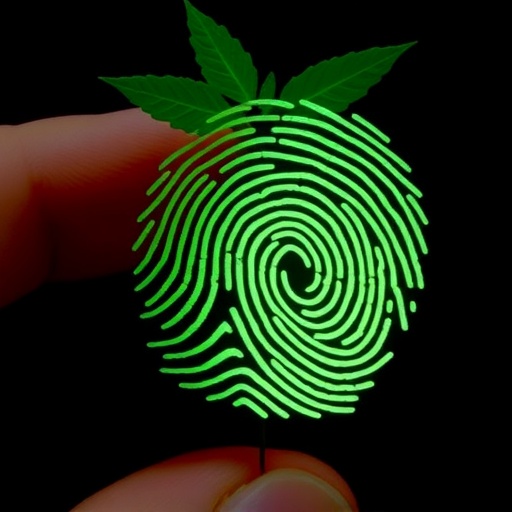
In a pioneering study that bridges the gap between environmental sustainability and forensic science, researchers have explored the remarkable potential of cow dung-derived biochar in the development of latent fingerprints. This innovative research conducted by Pooja H.N. and A.K. Bahuleyan exposes the multifaceted applications of biochar, which not only serves agricultural purposes but also boasts forensic viability. As forensic science continues to evolve, this study offers an exciting glimpse into how traditional natural materials can be repurposed for cutting-edge technological applications.
Latent fingerprints, often invisible to the naked eye, are crucial in the field of forensic investigations. They hold the power to solve crimes by providing direct evidence linking a suspect to a crime scene. However, the conventional methods of fingerprint development often rely on synthetic compounds that can be toxic and environmentally harmful. This is where the study shines, introducing a natural and eco-friendly alternative derived from cow dung. The researchers meticulously conducted a series of experiments to analyze how biochar can enhance the visibility of these hidden prints.
The process of biochar production involves pyrolysis—a thermal decomposition method that produces prolonged carbon-rich materials from organic substances. In this study, the team utilized cow dung as the primary feedstock to create biochar, which was then tested for its efficacy in developing latent fingerprints. The conversion of organic waste into a useful product not only addresses waste management issues but also adds a layer of sustainability that is increasingly critical in today’s world.
One of the findings is the ability of cow dung biochar to absorb and retain moisture, which is imperative for the proper development of latent fingerprints. The researchers discovered that the unique porosity and structure of the biochar allow it to effectively capture and retain the oils and sweat present in fingerprints, making them more visible for analysis. This not only increases the visibility of the prints but also mitigates the environmental impact typically associated with traditional fingerprint development techniques.
In their experiments, the research team compared the effectiveness of cow dung biochar with standard fingerprint development techniques, such as powdering with carbon-based materials or chemical treatments. The results were promising, demonstrating that biochar could be just as effective, if not more so, in certain contexts. Notably, the biochar was derived from a renewable resource, presenting a sustainable alternative while being capable of yielding similar results in terms of print quality and clarity.
The significance of this research is multi-dimensional. Firstly, it paves the way for the development of greener forensic tools and methodologies. As the world becomes increasingly aware of the implications of plastic waste and synthetic chemicals, the introduction of natural substances like biochar offers a viable pathway toward eco-friendly practices. Furthermore, this study emphasizes the urgent need for forensic science to innovate and adapt in alignment with environmental strategies.
In terms of practical application, cow dung is widely available in agricultural communities, suggesting that the implementation of this technique could be easily adopted in various regions. Not only can this provide law enforcement agencies with an efficient method for fingerprint development, but it can also stimulate local economies through biochar production. As such, this innovative approach creates a win-win situation where both crime-solving and environmental sustainability are advanced.
Moreover, the methodological advancements illustrated in this research can positively impact waste management strategies in agriculture. Cow dung, often viewed as waste, can be transformed into a value-added product. This not only challenges traditional perceptions of agricultural by-products but also contributes to a circular economy where waste is minimized, and resources are optimized.
The impact of this pilot study resonates beyond the realm of forensic science; it aligns with global efforts to reduce reliance on harmful chemicals and promote sustainable practices in various fields. The use of biochar produced from organic waste is a step toward integrating ecological principles into everyday practices. This resonates with current movements advocating for sustainable law enforcement practices that lessen the environmental footprint of modern policing.
As this research garners attention, it may inspire further studies exploring different organic materials for biochar production aimed at forensic applications. Questions about the scalability, cost-effectiveness, and broader implications of using this innovative technique in various forensic contexts remain to be explored, but the potential is vast and ripe for study.
In summary, the study conducted by Pooja H.N. and A.K. Bahuleyan on cow dung-derived biochar as a latent fingerprint development tool introduces an innovative, sustainable, and effective alternative to traditional methods. It highlights a crucial intersection where environmental sustainability meets forensic science, ultimately pushing the boundaries of what is achievable in crime scene investigations. As more researchers delve into the applications of biochar, the future of environmentally conscious forensic practices seems promising. This research legitimizes the notion that sometimes the most exceptional solutions can emerge from waste.
The need for sustainable methods in forensic science is pressing. As researchers and practitioners alike examine methodologies that are less detrimental to the environment and align with responsible resource stewardship, the utilization of materials such as cow dung biochar could revolutionize the field. It sets a precedent for innovation driven by necessity and ecological thought, paving the way for greener forensic technologies and practices.
The journey of this study from conception to execution illustrates the potential for multidisciplinary collaboration in addressing pressing global challenges. By enlisting resources that have not traditionally been associated with high-tech applications, researchers can pioneer methods that honor both science and nature, culminating in a more responsible future for all fields of study.
Cite Scienmag News
Denise Maddox. (December 12, 2025). Investigating Biochar for Enhanced Latent Fingerprint Growth. Scienmag. https://scienmag.com/investigating-biochar-for-enhanced-latent-fingerprint-growth/
Denise Maddox. "Investigating Biochar for Enhanced Latent Fingerprint Growth." Scienmag, 12 December 2025, https://scienmag.com/investigating-biochar-for-enhanced-latent-fingerprint-growth/. Accessed 4 September 2026.
Denise Maddox. "Investigating Biochar for Enhanced Latent Fingerprint Growth." Scienmag. December 12, 2025. https://scienmag.com/investigating-biochar-for-enhanced-latent-fingerprint-growth/


