

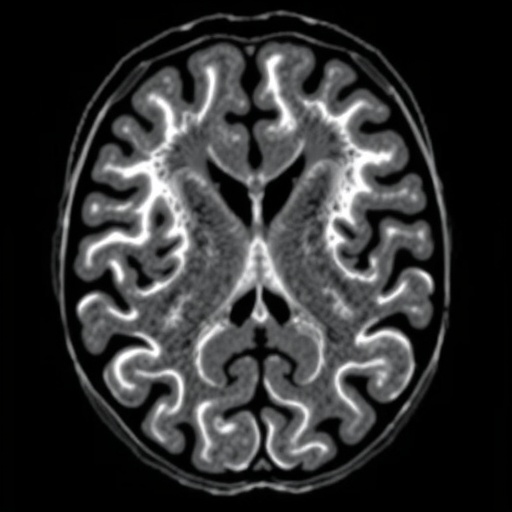
In a groundbreaking forensic discovery, researchers have identified an unprecedented case of intracranial needle insertion in an infant’s brain, as revealed by advanced computed tomography (CT) imaging. This startling finding, detailed in a recent case report published in the International Journal of Legal Medicine, exemplifies how cutting-edge imaging technology can unearth hidden trauma in pediatric patients that might otherwise go undetected. The case challenges forensic experts and medical practitioners alike to rethink diagnostic approaches when confronted with suspicious injuries in vulnerable populations such as infants.
The intricate details provided by CT scans transformed the clinical understanding of the infant’s condition, uncovering a foreign body lodged deep within the cerebral tissue. This needle, which penetrated the delicate and developing brain, represents a form of trauma rarely documented in medical literature. The precision of modern CT imaging allowed the forensic team to visualize the precise trajectory and position of the needle, highlighting the enormous potential of imaging modalities in forensic pediatrics.
The clinical presentation of this case was subtle yet troubling. The infant showed signs consistent with neurological distress but without overt external trauma. Historically, such internal injuries—particularly with slender, metal foreign bodies like needles—have posed significant diagnostic challenges. However, the enhanced resolution and cross-sectional capabilities of current CT technology made it possible to detect and subsequently analyze the intracranial needle without invasive exploratory surgery, thereby protecting the patient from further harm.
Contextually, intracranial foreign body insertion is a rare but devastating phenomenon, often implicating accidental injury or non-accidental trauma, including potential child abuse. In this particular scenario, the forensic and medical teams embarked on a meticulous investigative pathway to determine the etiology, timing, and potential intent associated with the injury. The discovery not only advanced medical understanding but also contributed critical evidence within a medico-legal framework, underscoring the intersection of clinical medicine and forensic science.
The imaging findings revealed the needle’s presence was not merely an incidental artifact but a deliberate penetration characterized by its alignment and depth, which suggested a level of force and precision uncommon in accidental intracranial injuries. This revelation necessitated a multidisciplinary approach, involving neuroradiologists, forensic pathologists, pediatricians, and law enforcement to piece together the circumstances leading to the injury.
Importantly, the enhanced CT imaging also provided data regarding the extent of accompanying brain injury. Although the visualized needle inflicted localized tissue damage, the broader implications for the infant’s neurological development remain uncertain and will require longitudinal monitoring. This case prompts urgent discussions about the long-term sequelae of penetrating brain injuries in immature neural systems and the resilience or vulnerability of the developing brain to such foreign body insults.
The forensic implications extend beyond clinical management; the presence of an intracranial needle in a living infant invokes critical child protection concerns. The case highlights the crucial role of forensic medicine in safeguarding at-risk pediatric populations by facilitating early injury detection and contributing decisive evidence in legal investigations. The ability of CT technology to non-invasively uncover such covert injuries enables swifter intervention and potentially life-saving legal proceedings.
Technically, the CT protocol utilized high-resolution, thin-slice imaging combined with multiplanar reconstructions, a methodological choice that was instrumental in differentiating the needle from vascular structures, calcifications, or other potential mimics. Such technical sophistication in imaging protocols represents a significant advance over previous generations of diagnostic radiology, transforming how clinicians and forensic teams evaluate complex intracranial injury patterns.
Furthermore, this case underscores the importance of training radiologists to identify subtle foreign bodies in pediatric neuroimaging. The unique physical and compositional characteristics of needles, such as density and shape, can present challenges in detection, particularly within the heterogeneous environment of brain tissues. Specialized training and protocol optimization are, therefore, essential to improving diagnostic accuracy in similar future cases.
Ethically, this case report propels the medical community to examine protocols surrounding the protection of infants from traumatic injuries of non-accidental origin. It raises profound questions about preventative strategies, parental education, and community awareness, as well as the responsibilities of healthcare providers to identify and report suspected maltreatment promptly. The case serves as a grim reminder of the necessity for vigilance and a coordinated approach to child welfare.
The discovery also opens new avenues for research into the biomechanical properties of brains subjected to penetrating injuries in early life. Understanding the interplay between the physical characteristics of foreign objects, penetration mechanisms, and brain tissue response may enlighten therapeutic strategies aimed at minimizing neurological damage and optimizing recovery outcomes in pediatric patients.
From a technological perspective, the ability of CT to detect such minute intracranial foreign bodies may inspire further innovation in imaging hardware and software. Enhanced contrast resolution, artifact reduction algorithms, and post-processing techniques could augment the identification of foreign material in complex clinical scenarios, potentially aiding forensic investigations, surgical planning, and clinical monitoring.
This case sets a precedent for forensic medicine as it demonstrates how integrative diagnostics incorporating state-of-the-art imaging can revolutionize the identification and analysis of concealed injuries. It also emphasizes that collaboration among radiology, pediatrics, forensic medicine, and law enforcement is vital to address intricate cases with profound medical and legal implications.
In summary, the identification of an intracranial needle in an infant’s brain via advanced computed tomography represents a seminal advance in both forensic radiology and pediatric trauma care. It exposes the hidden threat of covert intracranial trauma and showcases the indispensable role of imaging in modern medicine’s intersection with legal inquiry. As research and technology continue to evolve, such cases will inform improved strategies for diagnosis, prevention, and intervention in vulnerable pediatric populations worldwide.
The ramifications of this extraordinary finding encourage the medical community to prioritize early detection, multidisciplinary collaboration, and technological innovation. It is imperative that clinical and forensic practitioners harness these insights to protect children from similar injuries and to serve justice through precise, evidence-based investigations. This case report is a clarion call to the global healthcare field to embrace the power of imaging in confronting pediatric trauma’s most elusive challenges.
Subject of Research: Forensic identification of intracranial foreign body trauma in an infant using computed tomography.
Article Title: Intracranial needle insertion into an infant’s brain: a case report revealing an unprecedented computed tomography discovery.
Article References:
Verster, J., Perold, L., Goussard, P. et al. Intracranial needle insertion into an infant’s brain: a case report revealing an unprecedented computed tomography discovery. Int J Legal Med (2025). https://doi.org/10.1007/s00414-025-03685-x
Image Credits: AI Generated


