

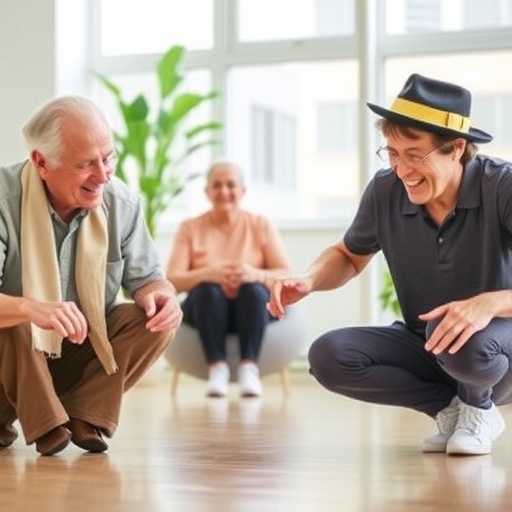
Recent research has shed new light on the often-overlooked topic of physical activity among older adults undergoing non-weight-bearing rehabilitation. This profound qualitative study, authored by van Garderen, Visser, and Achterberg, examines the varied perspectives of older individuals and their informal caregivers. Amid an aging global population, understanding how various stakeholders interact with rehabilitation processes is critical, especially regarding the struggles and triumphs experienced in maintaining physical activity during recovery.
Physical rehabilitation is frequently a strenuous journey for older adults, many of whom face mobility challenges due to injuries or chronic conditions. Most traditional rehabilitation approaches place a significant emphasis on weight-bearing activities, largely sidelining the experiences of those who cannot participate in these due to medical restrictions. This research highlights an imperative gap in literature and practice: what accommodations and motivations can support older adults in being physically active when their rehabilitation is constrained by non-weight-bearing limitations?
The study underscores the need for personalized rehabilitation programs that take into account the psychological and emotional aspects of recovery, not just physical capabilities. Older adults often find the experience of rehabilitation daunting and isolating, frequently reporting feelings of frustration when they cannot engage in activities they once enjoyed. Caregivers play a catalytic role in shaping the rehabilitation experience; their insight and support can significantly influence the outcomes for older adults.
In diving into the qualitative data gathered, the research team utilized in-depth interviews with both older persons and their caregivers to gather rich narratives that unravel the complexities of their experiences. The thematic analysis illuminated several critical factors, including motivation, social connectedness, and emotional well-being. The researchers revealed that a proactive mindset towards rehabilitation—coupled with community support—was pivotal in enabling older adults to remain active, even within the constraints of non-weight-bearing exercises.
One of the most enlightening conclusions drawn from the study is the importance of perspectives from informal caregivers. Many caregivers elucidated the emotional labor involved in facilitating their loved ones’ rehabilitation journeys. Their perspectives offer valuable insight into how rehabilitation can be improved, emphasizing the need for more inclusive programs that attend not only to the physical needs of older patients but also to the emotional and psychological support caregivers provide.
The findings suggest that activities should be adapted, taking into consideration the physical limitations of older participants yet still promoting mobility. Creative solutions, such as virtual reality experiences or chair exercises tailored to promote movement, can serve as alternatives to traditional physical rehabilitation strategies. Engaging technology that encourages movement without the physical strain associated with weight-bearing exercises may be one way to merge modern innovations with rehabilitation strategies.
Throughout the interviews, respondents also commented on their experiences with healthcare providers, often emphasizing the need for clearer communication and individualized plans of care. Older adults expressed feelings of uncertainty when healthcare practitioners failed to understand their unique situations or offer tailored recommendations. This disconnect can lead to apathy or resistance towards prescribed rehabilitation activities. Therefore, enhancing provider-patient relationships is central to ensuring successful rehabilitation outcomes.
Additionally, social dynamics play a crucial role in maintaining motivation during the rehabilitation process. Participants frequently mentioned that having a support system—whether it is family, friends, or community groups—can foster a sense of shared purpose. Engaging in activities with peers not only mitigates feelings of loneliness but also promotes a culture of encouragement, wherein individuals motivate one another to push through their rehabilitation challenges.
In terms of long-term implications, the study calls for systemic changes in rehabilitation practices to encompass a broader understanding of what constitutes physical activity. Moving away from traditional definitions tied exclusively to weight-bearing activities is essential; instead, a more inclusive approach that celebrates small victories can enable older adults to regain confidence in their capabilities.
In conclusion, as global populations age, reexamining how rehabilitation is approached for older adults becomes even more critical. The insights garnered from van Garderen and colleagues’ qualitative study pave the way towards more effective, empathetic rehabilitation programs that holistically address the needs of older adults. Such programs should integrate the voices of caregivers and focus on creative, adaptive ways to promote physical activity—even within the limitations of non-weight-bearing rehabilitation.
By embracing diverse perspectives, healthcare providers can reconstruct rehabilitation frameworks that are conducive to the well-being of older adults. The research serves as a clarion call for practitioners, policymakers, and society to prioritize the physical and emotional health of aging populations, ensuring that every individual retains the opportunity to thrive, regardless of their circumstances.
Improving the physical rehabilitation experience not only requires addressing clinical best practices but also enhancing the emotional landscape through intentional community involvement and supportive caregiving. This comprehensive approach can redefine the rehabilitation narrative, establishing a model where older adults are encouraged to participate actively in their recovery journey, alongside those who support them.
As we look towards future implications, it is vital to continue this dialogue among therapists, caregivers, patients, and policymakers. The intersection of qualitative research and rehabilitation must not only continue to evolve but must also be translated into actionable strategies that honor the intrinsic motivations and capabilities of older individuals navigating their way through the complex world of rehabilitation.
Subject of Research: Perspectives of older adults and informal caregivers on physical activity during non-weight-bearing rehabilitation.
Article Title: Exploring perspectives of older adults and informal caregivers on physical activity during non-weight-bearing rehabilitation: a qualitative study.
Article References:
van Garderen, E., Visser, M. & Achterberg, W.P. Exploring perspectives of older adults and informal caregivers on physical activity during non-weight-bearing rehabilitation: a qualitative study.
Eur Geriatr Med (2026). https://doi.org/10.1007/s41999-025-01390-x
Image Credits: AI Generated
DOI: 10.1007/s41999-025-01390-x
Keywords: Rehabilitation, Older Adults, Non-Weight-Bearing, Caregivers, Physical Activity, Emotional Wellness, Healthcare Communication.


