

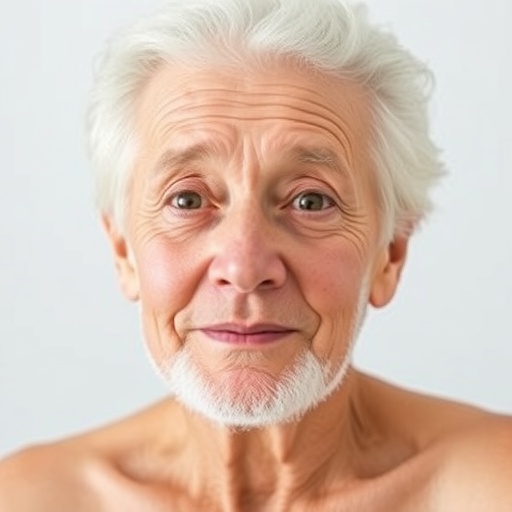
In an era where the importance of specialized healthcare for the aging population has become increasingly apparent, a recent study sheds light on a critical aspect of dermatological care for elderly patients, specifically in the context of venous health. Conducted by a team of researchers led by Nolan, Murphy, and Paul, this qualitative study reveals the perspectives of geriatric physicians on prioritizing aging skin within venous care. The essential findings, which were published in the upcoming issue of Archives of Dermatological Research, enhance our understanding of the interplay between venous conditions and skin health in the elderly demographic.
Aging skin presents a unique set of challenges that can complicate venous illnesses. With age, the skin undergoes a series of structural changes, including the loss of elasticity and moisture, making it more susceptible to damage and disease. Geriatric physicians, who regularly care for elderly patients presenting with venous issues, have a front-row seat to observe how these dermatological changes can interfere with treatment protocols. Their insights are crucial for developing comprehensive care strategies that encompass both skin and venous health.
The comparative literature review prior to the study revealed scant recognition of the vital relationship between aging skin and venous health among healthcare professionals. In essence, while the effects of aging on skin integrity were extensively documented, the implications of these changes for venous care were often overlooked. The researchers endeavored to bridge this gap by conducting in-depth interviews with seasoned geriatric physicians, allowing them to articulate their experiences and concerns directly about the management of patients with deteriorating skin and venous conditions.
During the interviews, participants noted that elderly patients frequently present with multifaceted health issues that necessitate a tailored approach to care. Physicians expressed the importance of assessing skin condition as part of a holistic strategy when treating venous diseases such as chronic venous insufficiency, superficial venous thrombosis, and varicose veins. The accumulated wisdom of these geriatric specialists underlined the pressing need for improved education and training in addressing skin-related complications alongside venous care.
Participants in the study also discussed the psychosocial dimensions of caring for aging skin. Many elderly patients experience emotional distress stemming from visible signs of skin aging, such as pigmentation changes and loss of texture, which can significantly impair their quality of life. Geriatric physicians indicated that discussions around skin appearance and health directly influence patients’ willingness to seek treatment for venous issues, noting the interplay between physical and emotional well-being.
The findings derive critical implications for both practicing physicians and medical educators. An integrated curriculum that emphasizes the overlapping domains of dermatology and venous medicine could enhance the competencies of healthcare professionals treating the elderly population. The data gathered from geriatric physicians offer invaluable insights that can guide the development of such educational interventions, ultimately leading to improved outcomes for patients.
Moreover, the study’s qualitative design allows for the rich, nuanced experiences of physicians to be understood in a contextual framework. This evidence-based approach to understanding patient care in geriatric populations emphasizes a narrative that can indeed inspire changes in clinical practice. As healthcare systems adjust to meet the demands of an aging world, the insights gleaned from this research could serve as the foundation for policies promoting integrated care in dermatology and venous medicine.
As the study moves toward publication, it also raises the issue of how medical practices can adapt to better support aging patients. There’s a call to action for healthcare systems to prioritize the training of geriatric physicians in dermatological care, empowering them to manage not only venous complications but also the skin health of their patients. With today’s healthcare landscape shifting towards more patient-centric approaches, this alignment of treatment protocols could markedly improve the overall well-being of older adults.
By highlighting the necessity for a dual focus on aging skin and venous health, the research aims to arouse interest among clinical practitioners, medical researchers, and policymakers alike. The realization that skin care is an integral component of venous disease management fosters an environment where comprehensive geriatric care can flourish.
Furthermore, as public awareness grows about the impacts of aging on skin and overall health, this study underscores the collective responsibility of healthcare providers to address these interconnected issues. Future research endeavors in this domain could expand upon these findings, exploring the incorporation of skin evaluation in routine venous assessments.
In conclusion, Nolan, Murphy, and Paul’s qualitative investigation raises critical questions about existing paradigms in geriatric care. It not only advocates for enhanced awareness among healthcare providers regarding the dynamics of aging skin but also illuminates the potential for improved patient outcomes when these factors are addressed cohesively. Ultimately, prioritizing the health of aging skin in the context of venous care represents a significant step forward in refining geriatric healthcare practices, ensuring seniors receive the holistic treatment they deserve.
As we look forward to the full publication of this significant study on December 17, 2025, it is essential to anticipate the discussions and developments that will emerge from this foundational work. The evolution of care models for the elderly stained by the experience of aging will undoubtedly shape the future of dermatological and venous health management.
Subject of Research: Perspectives of geriatric physicians on aging skin in venous care.
Article Title: Prioritising ageing skin in venous care: a qualitative study of geriatric physicians’ perspectives.
Article References:
Nolan, B., Murphy, L. & Paul, L. Prioritising ageing skin in venous care: a qualitative study of geriatric physicians’ perspectives.
Arch Dermatol Res 318, 17 (2026). https://doi.org/10.1007/s00403-025-04475-6
Image Credits: AI Generated
DOI:
Keywords: Aging Skin, Venous Health, Geriatric Care, Dermatology, Patient Well-Being, Chronic Conditions.


