


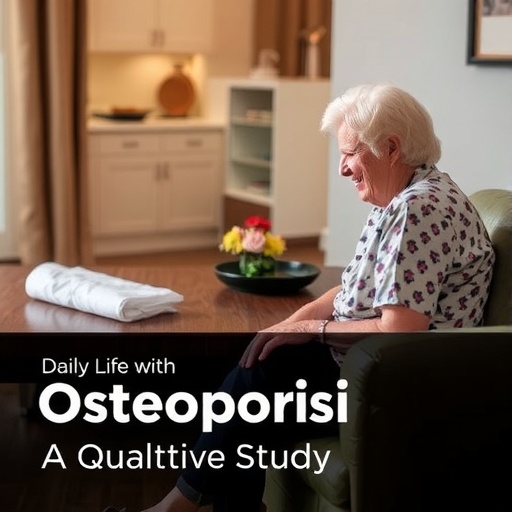
As our understanding of osteoporosis deepens, recent research highlights the multifaceted experiences of individuals living with this condition. Osteoporosis, a bone disease characterized by decreased bone density and increased fracture risk, is often perceived through a clinical lens. However, new qualitative studies, such as the one conducted by Tormen et al., shake up this traditional viewpoint by delving into the personal and emotional narratives of those affected. By shedding light on the lived experiences of patients, this research addresses the deep-seated challenges and emotional implications of managing osteoporosis daily.
The study, published in the Archives of Osteoporosis, provides a rich, qualitative description that adds nuance to our understanding of the patient experience. It emerged from the realization that while clinical trials and medical innovations focus heavily on the physiological aspects of osteoporosis, the patient’s perspective is equally vital for shaping effective treatment approaches and overall care strategies. The researchers embraced qualitative methodologies to gather intricate personal stories from individuals navigating life with osteoporosis, ensuring that these voices are not drowned out by quantitative data alone.
Participants in the study expressed a range of emotions, from fear and frustration to resilience and hope. Many described the anxiety that comes with the constant specter of fractures and the life-altering impacts of diminished mobility. Yet, alongside these fears, many participants illustrated remarkable adaptability, self-advocacy, and proactive engagement in managing their health. Their narratives reveal an urgent need for healthcare systems to integrate these personal dimensions into broader osteoporosis management strategies.
One of the most striking findings from this research is the significant emotional burden that individuals with osteoporosis face. The study revealed that beyond the physical limitations imposed by the disease, the psychological ramifications can be profound. Participants reported feelings of isolation and despair, reflecting a gap between the clinical understanding of osteoporosis and the emotional reality of living with it. Such insights challenge healthcare providers to look beyond medical interventions and consider the mental health support patients require.
Furthermore, the research underscores the critical role of social support networks. Individuals coping with osteoporosis often rely heavily on family, friends, and community resources for encouragement and engagement. The qualitative data indicates that those who felt supported were more likely to implement lifestyle changes, such as adapting their diet or exercise routines, which in turn positively influenced their health outcomes. This interconnectedness illustrates that treatment for osteoporosis is not solely within the biomedical framework but requires a holistic approach that values social and emotional dimensions.
In addressing management strategies, the study also highlighted the variability in individual experiences with treatment options. Many participants expressed uncertainty about medications, which can sometimes add to their anxiety. This calls for clearer communication from healthcare providers regarding the benefits and potential side effects of various treatment modalities. As patients navigate these decisions, comprehensive discussions that incorporate their values and preferences can significantly enhance their engagement and adherence to treatment plans.
Another pivotal aspect that emerged from the interviews was the importance of education and information. Numerous participants voiced a desire for more accessible resources that explain osteoporosis and its management. Many felt ill-equipped to handle their condition due to a lack of understanding, which often left them feeling powerless. Thus, effective educational strategies should be developed to empower individuals with knowledge and practical tools for managing their health proactively.
This rich tapestry of experiences also pointed toward the need for more peer support initiatives. Individuals often seek shared experiences and guidance in others who understand the challenges they face. Facilitating peer-led groups or online forums can create safe spaces for discussion and exchange of strategies, which in turn fosters a community of support. Not only does this diminish feelings of isolation, but it can also provide a platform for shared learning and mutual encouragement.
As the healthcare landscape evolves, integrating patient voices into research and clinical practice becomes increasingly crucial. The insights gleamed from Tormen et al.’s qualitative descriptive study present a powerful argument for a paradigm shift, urging healthcare professionals to consider the comprehensive experience of osteoporosis. Recognizing the emotional, social, and psychological dimensions of this condition will enhance treatment efficacy and overall quality of life for patients.
Truly, this research serves as a reminder that behind every diagnosis is a person with a unique story. As science pushes boundaries in understanding diseases like osteoporosis, it is essential to keep the human experience at the forefront. Transformation in care requires not only medical advancements but also deep empathy and adaptability to the needs of those living with chronic conditions. In prioritizing these values, healthcare providers can offer more than treatment; they can deliver hope, understanding, and tangible support.
In conclusion, Tormen et al.’s study is not merely an academic endeavor; it serves as a wake-up call for the need for a more inclusive and holistic approach to managing osteoporosis. By recognizing the complex, multifaceted experiences of individuals living with osteoporosis, we can advance towards a model of healthcare that truly prioritizes patient well-being. As we rethink care structures, let us commit to ensuring that the voices of those affected are inextricably linked to the science that shapes their treatment.
Cite Scienmag News
Ophelia Keating. (January 18, 2026). Exploring Daily Life with Osteoporosis: A Qualitative Study. Scienmag. https://scienmag.com/exploring-daily-life-with-osteoporosis-a-qualitative-study/
Ophelia Keating. "Exploring Daily Life with Osteoporosis: A Qualitative Study." Scienmag, 18 January 2026, https://scienmag.com/exploring-daily-life-with-osteoporosis-a-qualitative-study/. Accessed 4 September 2026.
Ophelia Keating. "Exploring Daily Life with Osteoporosis: A Qualitative Study." Scienmag. January 18, 2026. https://scienmag.com/exploring-daily-life-with-osteoporosis-a-qualitative-study/


