


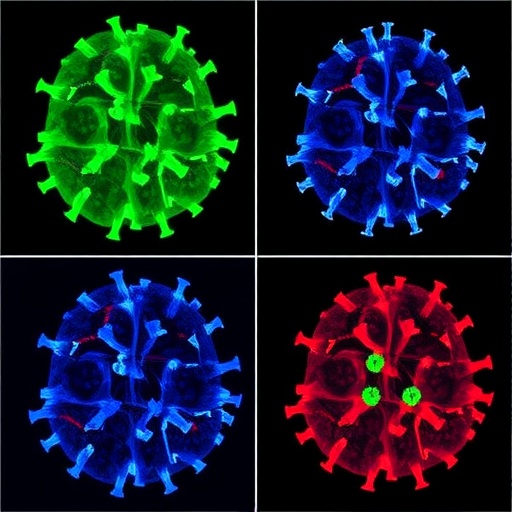
Recent advances in neuroscience and virology have culminated in a groundbreaking study exploring the infection of human cerebral organoids by the human coronavirus OC43 (HCoV-OC43). Conducted by a team led by researchers Liu, J., Deng, Y., and Huo, W., the research aims to unravel the complexities of this pathogen’s interactions with neural cells, ultimately shedding light on potential therapeutic avenues. This article delves into the critical findings of their research, emphasizing its implications for understanding the pathogenesis of HCoV-OC43 and the future of treatments targeting similar viral infections.
The novel coronavirus, OC43, was first identified in the 1960s and belongs to the Betacoronavirus genus. Historically overshadowed by more virulent coronaviruses, such as SARS-CoV and MERS-CoV, new evidence suggests that HCoV-OC43 has a significant impact on human health, particularly in immunocompromised individuals and in cases of neurological complications. Utilizing human cerebral organoids, which are three-dimensional models that replicate various properties of human brain tissue, the research offers insights that in vivo models cannot.
Cerebral organoids arise from human pluripotent stem cells, which differentiate into various cell types found in the brain. These structures provide an excellent platform for modeling human viral infections due to their ability to imitate the morphology and functionality of brain regions. The research highlights how HCoV-OC43 utilizes these organoids to establish infection, thrive, and consequently disrupt neural pathways, leading to potential neurodevelopmental and neurodegenerative disorders.
Upon infection, HCoV-OC43 was found to induce significant cytopathic effects within the organoids, manifesting as alterations in cell morphology and viability. Detailed examination revealed that the virus exploits cellular receptors for entry and replication. By utilizing techniques such as RNA sequencing and real-time PCR, the researchers successfully mapped the viral lifecycle within the organoids, revealing key stages of infection that could serve as targets for therapeutic interventions.
One of the most intriguing observations from the study is the specific impact of HCoV-OC43 on glial cells, which play a crucial role in supporting and maintaining neuronal health. The organoid models exhibited a marked apoptotic response in glial cells following viral assault. This response underlines the virus’s capacity to not only infect and replicate within neurons but also to precipitate widespread neural dysfunction due to the impairment of supportive glial cells.
Understanding the molecular mechanisms underlying HCoV-OC43’s pathogenicity may unveil novel treatment strategies. The researchers suggest that antiviral compounds, traditionally utilized in treating other viral infections, could be repurposed to inhibit HCoV-OC43 replication. Moreover, therapies aimed at enhancing the resilience of glial cells to viral insult could be pivotal in mitigating the neurological consequences of this infection.
In addition to antiviral interventions, the study discusses potential vaccine mechanisms, considering that indoor crowds and cold weather may foster environments for the spread and severity of HCoV-OC43 infections. This acknowledgment opens up discussions about the need for robust vaccine strategies aimed at protecting vulnerable populations, particularly young children and the elderly, who are often hit hardest by respiratory viruses.
The ramifications of OC43 infection extend beyond immediate respiratory symptoms, echoing into the realms of neurobiology and mental health. The intriguing connection between respiratory viruses and neurological disorders has gained traction, with studies suggesting associations between viral infections and the onset of conditions such as multiple sclerosis and Alzheimer’s disease. The research by Liu et al. adds another layer to this dialogue, posing the urgent need to explore these links further.
Moreover, the ethical considerations surrounding the use of cerebral organoids in research are paramount. While these models provide unparalleled insights into human biology, the implications regarding consent and the potential for manipulation of neural tissues in the lab necessitate ongoing discussions within the scientific community. The delicate balance between innovation and ethical responsibility is paramount as research progresses.
Implications extend into public health domains, suggesting that better understanding of HCoV-OC43’s impact on the nervous system could influence healthcare policy, particularly in developing treatments aimed at neurological aftereffects resulting from infections. Preventing and effectively treating neuroinvasive diseases may require integrated strategies, engaging multidisciplinary approaches from virology, neurology, epidemiology, and public health.
The study reinforces the necessity for advanced research methodologies, blending the realms of genomics, proteomics, and neurosciences, to comprehensively elucidate the multifaceted interactions between viruses and the human nervous system. By spearheading these in-depth investigations, researchers can pave the way for novel therapeutic avenues that may alter the trajectory of treatment for viral infections that affect brain health.
In a world increasingly intersecting with various viral threats, Liu et al.’s findings stand as a clarion call for heightened vigilance regarding coronaviruses and their broader implications. Their research reflects a significant leap in understanding the ramifications of viral infections on human neural architecture, carrying weighty implications for both individual health and broader public health strategies.
This dissection of HCoV-OC43 sets a precedent for future studies aimed at unraveling the complexities of other lesser-understood coronaviruses. We find ourselves at a juncture where ongoing research will be instrumental in ensuring that the medical community is equipped to tackle the multifactorial consequences of viral infections, particularly those that venture into the realms of neurology and mental health.
As this research is disseminated within the scientific community and beyond, the hope is that it galvanizes interest and funding toward the eradication or effective management of viral infections like HCoV-OC43, fostering an ethos of knowledge-sharing and collective action in combating poignant health threats that persist in the shadows.
Cite Scienmag News
Cassandra Pierce. (November 27, 2025). Insights into OC43 Coronavirus Infection in Brain Organoids. Scienmag. https://scienmag.com/insights-into-oc43-coronavirus-infection-in-brain-organoids/
Cassandra Pierce. "Insights into OC43 Coronavirus Infection in Brain Organoids." Scienmag, 27 November 2025, https://scienmag.com/insights-into-oc43-coronavirus-infection-in-brain-organoids/. Accessed 4 September 2026.
Cassandra Pierce. "Insights into OC43 Coronavirus Infection in Brain Organoids." Scienmag. November 27, 2025. https://scienmag.com/insights-into-oc43-coronavirus-infection-in-brain-organoids/


