


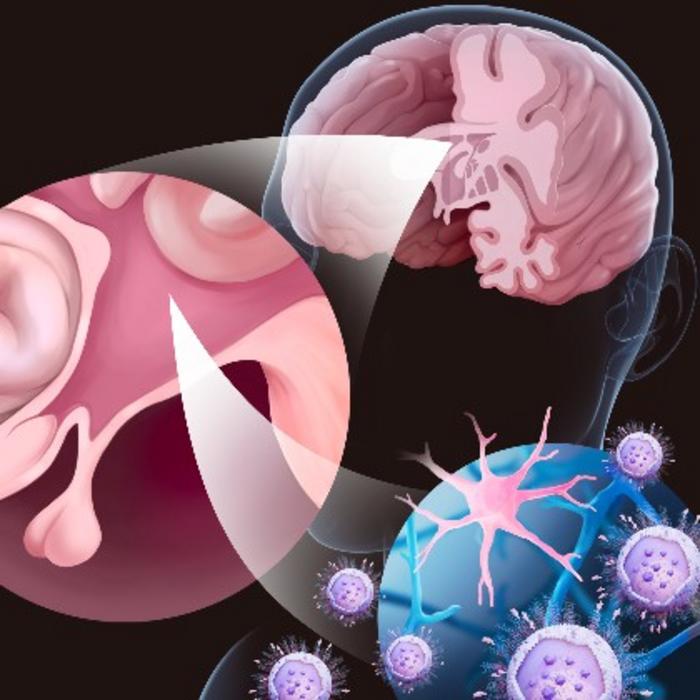
Oregon State University researchers have achieved a remarkable breakthrough in delivering anti-inflammatory medications across the notoriously selective blood-brain barrier (BBB). This advancement opens up new horizons for treating various neurological conditions, including Alzheimer’s disease, multiple sclerosis, and cancer cachexia—a debilitating syndrome particularly prevalent among cancer patients that is characterized by severe weight loss and muscle wasting.
The research team, led by Professor Oleh Taratula from the College of Pharmacy at OSU, has devised a method utilizing specially engineered nanoparticles, which are minuscule carriers smaller than 100 billionths of a meter. These nanoparticles are designed to transport therapeutic agents efficiently and effectively to targeted areas within the brain, significantly overcoming the challenges posed by the blood-brain barrier.
In their experimental approach, the researchers employed dual peptide-functionalized polymeric nanocarriers aimed specifically at targeting the hypothalamus—a critical region of the brain involved in various essential functions, such as appetite regulation, hormone secretion, and thermoregulation. Previous attempts to deliver therapeutic agents to this part of the brain had been largely hampered by the BBB’s impermeable nature, which is intended to protect the brain from harmful substances.
The research findings, recently published in the prestigious journal Advanced Healthcare Materials, reveal substantial progress in addressing this issue. The novel delivery system was tested on a mouse model, demonstrating that these nanoparticles could not only cross the BBB but also reach the hypothalamus and deliver a drug that inhibits a specific protein linked to inflammation. This capability is particularly vital for addressing neuroinflammation linked to cachexia in cancer patients.
Cachexia is a chronic and life-threatening condition that affects up to 80% of patients with advanced cancer. It is marked by significant loss of weight and muscle mass, which occurs despite adequate nutritional intake. The debilitating effects of cachexia worsen patients’ quality of life, hinder their ability to tolerate treatments, and negatively impact their survival prospects. Understanding the role that inflammation plays in dysregulating metabolism and appetite in these patients is critical for developing effective therapeutic strategies.
The researchers focused on the hypothalamus due to its central role in regulating various bodily functions and maintaining homeostasis. They found that inflammation in the hypothalamus was a primary contributor to disordered appetite and metabolism in cachexia patients. As they progressed with their study, they aimed to not only inhibit the inflammatory response but also restore normal appetite and metabolic control in affected individuals.
One of the key challenges associated with brain-targeted drug delivery is ensuring that therapeutic agents reach the correct destination within the hypothalamus. According to Taratula, the study’s nanocarriers demonstrate dual-targeting capabilities to maximize therapeutic efficacy. Even after overcoming the BBB, the nanocarriers specifically target activated microglia cells, which are essential mediators of inflammation in the brain.
The findings indicate that their engineered nanocarriers can successfully deliver an IRAK4 inhibitor specifically to the hypothalamus in mice with cancer cachexia. This is an unprecedented achievement that showcases the potential of these nanocarriers to alter the treatment landscape for patients suffering from cachexia and related inflammatory conditions.
Upon administering the treatment, the scientists observed notable reductions in key inflammatory markers within the hypothalamus. Furthermore, the results were promising, showing a remarkable 94% increase in food intake among treated subjects along with significant preservation of body weight and muscle mass. These results not only highlight the effectiveness of their approach but also suggest broader applications for treating other conditions characterized by brain inflammation.
Beyond its implications for cancer cachexia, Taratula noted that the ability of their nanoplatform to traverse the blood-brain barrier and specifically target microglial cells opens avenues for innovative treatments for neurological disorders such as Alzheimer’s disease and multiple sclerosis. These conditions, which are often associated with chronic neuroinflammation, could benefit from the targeted delivery of anti-inflammatory therapeutics.
The collaborative research effort included contributions from several other faculty members from the OSU College of Pharmacy and an expert from Endevica Bio. Their work has garnered financial support from multiple esteemed institutions, including the National Cancer Institute of the National Institutes of Health, the Eunice Kennedy Shriver National Institute of Child Health and Human Development, and the National Research Foundation of Korea.
In conclusion, the advancement in nanoparticle technology presented by the OSU team marks a pivotal moment in medical research, paving the way for groundbreaking treatments that could fundamentally change how we approach neurological disorders and cachexia in cancer patients. As the research continues to unfold, the implications of this work promise to drive further exploration into innovative treatment methodologies for conditions that have long posed challenges to effective intervention.
Cite Scienmag News
Cassandra Pierce. (April 9, 2025). Innovative Drug Delivery System Opens Doors for Promising Alzheimer’s and Brain Disorder Therapies. Scienmag. https://scienmag.com/innovative-drug-delivery-system-opens-doors-for-promising-alzheimers-and-brain-disorder-therapies/
Cassandra Pierce. "Innovative Drug Delivery System Opens Doors for Promising Alzheimer’s and Brain Disorder Therapies." Scienmag, 9 April 2025, https://scienmag.com/innovative-drug-delivery-system-opens-doors-for-promising-alzheimers-and-brain-disorder-therapies/. Accessed 5 September 2026.
Cassandra Pierce. "Innovative Drug Delivery System Opens Doors for Promising Alzheimer’s and Brain Disorder Therapies." Scienmag. April 9, 2025. https://scienmag.com/innovative-drug-delivery-system-opens-doors-for-promising-alzheimers-and-brain-disorder-therapies/


