


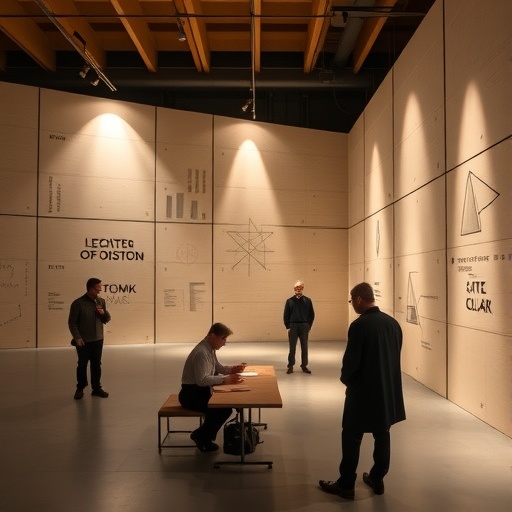
In the evolving landscape of architecture education, the role of design studio critique techniques has emerged as a crucial component for enhancing learning outcomes and fostering student growth. A recent narrative review conducted by Ezennia and Agbonome sheds light on innovative critique models that have the potential to transform architectural education. The findings and discussions presented in this review indicate a significant shift in how critiques are approached in design studios, emphasizing the necessity for a more evolved and constructive critique methodology.
Critique techniques serve as the backbone of architectural education, encouraging students to appraise their own work and the work of their peers critically. Traditional methods often focused solely on the final product, neglecting the iterative process of design thinking. Ezennia and Agbonome advocate for a shift in this paradigm, highlighting the importance of formative critiques that engage students in dialogue, promote iterative design, and cultivate an environment of collaborative learning.
The authors explore several innovative critique models that have surfaced in recent years. One approach involves the integration of digital tools and platforms that facilitate remote and asynchronous critiques. This method not only accommodates diverse learning environments but also allows for a broader range of feedback as students can access critiques from various sources. This technology-driven model enhances the educational experience, transforming the critique into a collaborative effort that can transcend geographical boundaries.
Moreover, the review delves into the concept of peer-led critiques, which empower students to take ownership of the critique process. Through structured guidelines, students are trained to provide constructive feedback to their peers, fostering a culture of respect and support. This approach not only enhances critical thinking skills but also builds confidence as students learn to articulate their thoughts and provide actionable insights.
Central to the discussion is the importance of creating a safe and inclusive environment during critiques. Ezennia and Agbonome emphasize that psychological safety is paramount in fostering an open exchange of ideas. Students must feel comfortable sharing their work and receiving feedback without the fear of harsh judgment. This aspect of critique culture is essential for nurturing creativity and innovation, allowing students to take risks in their design explorations.
The authors’ narrative review highlights various case studies and examples from institutions that have successfully implemented these innovative critique techniques. These case studies serve as a blueprint for architectural educators looking to revamp their critique methodologies and provide inspiration for integrating new approaches into their curriculum. By sharing best practices from different contexts, Ezennia and Agbonome create a repository of knowledge that can be accessed by educators worldwide.
Additionally, the review discusses the role of faculty in facilitating effective critiques. Educators must be adept not only in design principles but also in the art of feedback. This dual role requires ongoing professional development and training for faculty members to ensure they are equipped with the skills needed to lead dynamic and productive critique sessions. The authors propose that faculty should consider their own pedagogical strategies and be open to refining their approach based on student feedback and outcomes.
Another aspect examined in the review is the alignment of critique techniques with overall educational goals. It’s not enough to apply innovative models if they do not resonate with the desired competencies and skills expected from graduating architects. Educators are encouraged to create a cohesive framework that ties together critique sessions with broader educational objectives, ensuring that every critique session adds value to the students’ learning journey.
In conclusion, Ezennia and Agbonome’s narrative review serves as a pivotal resource for architecture educators seeking to enhance the efficacy of their design studio critiques. By incorporating innovative methods, fostering psychological safety, and promoting a culture of collaboration, educators can significantly improve student engagement and learning outcomes. The shift towards inclusive, iterative, and technology-enhanced critique approaches is not merely beneficial—it is fundamental to preparing future architects for the complexities of the profession.
The dialogue around design studio critiques is ongoing, and as architectural education continues to evolve, the insights from this review will undoubtedly play a critical role in shaping future educational practices. Educators and institutions must remain adaptable and committed to continuous improvement in their critique methodologies, ensuring they provide students with the tools necessary for success in a dynamic and ever-changing field.
The implications of these findings extend beyond individual institutions; they hold the potential to influence architectural education globally. As more educators embrace innovative critique techniques, the collective growth of the discipline can lead to a more robust and impactful architectural community. Through ongoing dialogue, research, and collaboration, the future of architectural education may very well pave the way for a new generation of architects equipped to navigate the challenges and opportunities that lie ahead.
As the architectural landscape continues to evolve, so too must the methods and approaches of those who shape its future. The insights and recommendations put forth in this review provide a much-needed roadmap for educators aiming to foster an environment of innovation and growth. The time is ripe for a rethinking of critique processes, and the call to action is clear: embrace change, invest in new strategies, and, most importantly, listen to the voices of the students who will one day shape our built environment.
Cite Scienmag News
Courtney Benton. (October 1, 2025). Innovative Critique Techniques Enhancing Architecture Education. Scienmag. https://scienmag.com/innovative-critique-techniques-enhancing-architecture-education/
Courtney Benton. "Innovative Critique Techniques Enhancing Architecture Education." Scienmag, 1 October 2025, https://scienmag.com/innovative-critique-techniques-enhancing-architecture-education/. Accessed 4 September 2026.
Courtney Benton. "Innovative Critique Techniques Enhancing Architecture Education." Scienmag. October 1, 2025. https://scienmag.com/innovative-critique-techniques-enhancing-architecture-education/


