

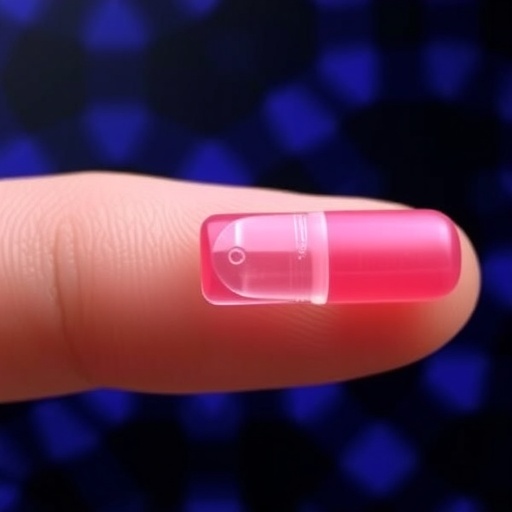
In the face of rapidly emerging infectious diseases, the demand for accessible and precise immunological diagnostics has never been greater. Recent advances spearheaded by Prof. TAN Xiaotian’s team at the Shenzhen Institutes of Advanced Technology have introduced a groundbreaking analytical platform that promises to transform the monitoring of human immune responses. Published in the esteemed journal Analytical Chemistry, this innovative system, named the Tip Optofluidic Immunoassay Interferon-Gamma Release Assay (TOI-IGRA), leverages cutting-edge biosensing technology to deliver a detailed portrait of cellular immunity using only minimal blood volumes.
Traditional assessment of immunity often relies heavily on antibody detection, which, while valuable, only narrates part of the immune story. Cellular immunity, principally driven by T cells, orchestrates the body’s defense against intracellular pathogens, including mycobacteria responsible for tuberculosis and the viruses such as SARS-CoV-2. However, measuring T-cell responses conventionally demands substantial quantities of venous blood alongside sophisticated laboratory infrastructure—barriers that have hindered widespread field applications or routine assessments in low-resource settings.
TOI-IGRA remedies these limitations by integrating an exquisitely sensitive optofluidic biosensor with a meticulously optimized micro-volume stimulation protocol. One of the pivotal innovations resides in refining blood sample handling; by employing a 0.9% sodium chloride (NaCl) environment during anticoagulation and dilution phases, researchers observed that fingertip capillary blood retained an immune cell composition nearly identical to venous blood. This breakthrough enables the assay to function effectively with as little as 15-25 microliters of fingertip blood—a volume easily obtained without invasive procedures.
The technical core of the platform revolves around the detection of interferon-gamma (IFN-γ), a cytokine critical for T-cell signaling and activation. Upon exposure to specific pathogen-derived peptide antigens, T cells release IFN-γ, which the TOI biosensing system detects with unparalleled sensitivity. The optical and fluidic components of the system facilitate real-time monitoring of IFN-γ release dynamics within a microfluidic chip, amplifying signal detection and enabling rapid result generation.
Beyond its remarkable sensitivity and minimal sample requirements, the TOI-IGRA system pioneers a dual-modal diagnostic approach. It concurrently quantifies both cellular immunity through IFN-γ release and humoral immunity via antibody concentration assays—all from the same tiny blood sample. This comprehensive immune profiling represents a significant advancement, offering clinicians and public health officials an integrated understanding of host defenses that antibody-only tests cannot furnish.
The modularity of TOI-IGRA constitutes another remarkable attribute. By replacing antigen peptide libraries tailored to specific pathogens, the platform can be flexibly adapted to monitor immune responses to a diverse array of infectious agents. This versatility is critical in a world where new viruses and bacterial strains emerge unpredictably. It promises utility not just for individual patient follow-ups but also for large-scale epidemiological surveillance, guiding timely public health interventions.
Importantly, TOI-IGRA exemplifies a technology democratizing immune diagnostics beyond well-equipped urban centers. Its reliance on capillary blood and streamlined assay workflows make it an excellent candidate for deployment in community clinics, remote locations, and resource-limited regions where conventional immunological testing capabilities are scant or absent. The potential for rapid bedside or field diagnostics could significantly improve infectious disease management by facilitating early detection and personalized immune monitoring.
Prof. TAN et al. emphasize that this innovation addresses a critical unmet need: portable, minimally invasive, and comprehensive tools for assessing protective immunity. The platform’s rapid adaptability to new pathogens means it could swiftly respond to the next pandemic threat or endemic disease flare-up, empowering health authorities to track immunity landscapes in near real-time at the population level.
The combination of optofluidic biosensing and micro-sample immunoassay techniques embedded within TOI-IGRA exemplifies the convergence of engineering, immunology, and analytical chemistry. This integration enables precise quantification of cellular immune function, overcoming the sensitivity challenges that have traditionally hampered small-volume T-cell response assays. The result is a powerful surveillance and diagnostic tool that maintains rigorous analytical standards while expanding accessibility.
As the global community continues wrestling with infectious pathogens that challenge immune memory and vaccine efficacy, platforms such as TOI-IGRA provide valuable hope. By illuminating the status of cellular immunity with unprecedented ease and fidelity, this technology supports improved clinical decisions, vaccine development, and public health policies tailored to real-world population immunity dynamics.
Looking forward, the researchers envision expanding this approach to monitor immune responses beyond infectious diseases, including applications in immunotherapy, autoimmune conditions, and transplant medicine. The implications of minimally invasive, multiparametric immune monitoring reverberate far beyond infection control, hinting at a future where personalized immune health is routinely accessible to all.
This pioneering work not only advances the frontier of immunodiagnostic science but also showcases how innovative bioengineering solutions can directly impact global health resilience. Through their meticulous development and validation, Prof. TAN’s team and collaborators have delivered a transformative tool that could redefine how humanity monitors and responds to the ever-present challenge of infectious diseases.
Subject of Research: Development of a minimally invasive, optofluidic biosensing platform for comprehensive T-cell and antibody immune profiling using fingertip blood samples.
Article Title: Development of Tip Optofluidic Immunoassay Interferon-Gamma Release Assay (TOI-IGRA) Platform for Rapid Cellular and Humoral Immunity Monitoring
News Publication Date: Information not provided
Web References:
– https://pubs.acs.org/doi/10.1021/acs.analchem.5c07520
– http://dx.doi.org/10.1021/acs.analchem.5c07520
References:
– Analytical Chemistry Journal article DOI: 10.1021/acs.analchem.5c07520
Image Credits: Not specified
Keywords
T-cell immunity, Interferon-gamma release assay, Optofluidic biosensor, Fingertip blood testing, Infectious disease diagnostics, Cellular immunity, Humoral immunity, Micro-volume blood assay, Immunoassay, Immune monitoring, Public health surveillance, Modular immunodiagnostics


