

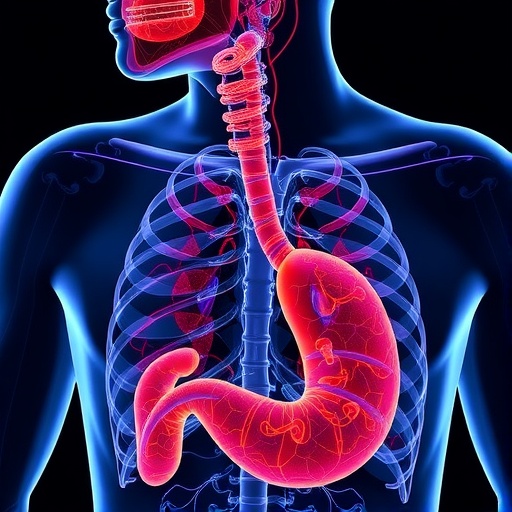
Gastroesophageal junction cancer (GEJC) has emerged as a formidable challenge in oncology, particularly due to its complex biology and often late-stage diagnosis. Recent advancements suggest that rethinking our approach to this malignancy could lead to significant improvements in patient outcomes. A pivotal study by Fitzpatrick and Janjigian proposes a paradigm shift in the management of GEJC through the integration of perioperative immunotherapy, the monitoring of minimal residual disease, and the identification of new therapeutic targets. This comprehensive approach underscores the role of innovative strategies in addressing an historically difficult-to-treat cancer, setting the stage for potentially transformative treatments.
To truly appreciate the implications of this research, one must examine the current limitations faced in treating gastroesophageal junction cancer. Traditionally, the standard care model has revolved around surgical resection coupled with postoperative chemotherapy. However, the prognosis remains grim, with high rates of recurrence and metastasis. Many patients present with advanced-stage disease, which complicates treatment efficacy. The introduction of perioperative immunotherapy represents a promising avenue to enhance therapeutic effectiveness and might give patients a fighting chance where traditional methods have faltered.
Perioperative immunotherapy, particularly in the context of GEJC, leverages the body’s immune system to recognize and attack cancer cells. This approach aims to utilize the period before and after surgery to bolster the immune response against residual cancerous cells. The authors of the study suggest that when combined with surgical intervention, patients may experience a more robust immune response, potentially leading to better long-term outcomes. The timing of immunotherapy in relation to surgical interventions could be critical in minimizing recurrence rates post-surgery.
Another key area of focus in the study is minimal residual disease (MRD) monitoring. Understanding and identifying MRD—cancer cells that remain following initial treatment but are not detectable with standard imaging—can be a crucial factor in managing GEJC. Innovative techniques for MRD detection, including advanced molecular and genomic assays, enable clinicians to ascertain the presence of these elusive cancer cells. The ability to monitor MRD can guide follow-up therapies and signal the need for more aggressive treatment sooner rather than later, ultimately improving the odds for patients who might otherwise have remained unaware of their state.
Furthermore, the authors advocate for the identification of new therapeutic targets specific to GEJC. Traditional treatments have often relied on broadly applicable chemotherapeutic agents, which may not be efficacious against all tumor types. Discovering unique molecular characteristics associated with gastroesophageal junction cancer could pave the way for targeted therapies, reducing side effects and increasing the chances of successful outcomes. Collaborations between oncologists and molecular biologists will be paramount in identifying these novel targets and translating findings into actionable therapies.
The implications of these advancements cannot be overstated, as they suggest a future where GEJC care is far more tailored and personalized. The shift toward a precision medicine model is evident, wherein treatment regimens are adapted based on the genetic and molecular profile of the tumor. This bespoke approach may not only improve survival rates but also enhance the quality of life for patients undergoing treatment for this challenging disease.
Incorporating advanced imaging techniques, such as liquid biopsies, could allow for repeated assessments of tumor burden and treatment response. Liquid biopsies provide real-time insights into the patient’s evolving disease state, offering a dynamic view of the efficacy of treatment modalities. This adaptability in treatment monitoring is crucial, as it will enable oncologists to pivot strategies based on patient response, optimizing their therapeutic journey.
Alongside these strategies, there lies a growing call to investigate the biological underpinnings of GEJC further. Comprehensive research into tumor microenvironment interactions and immune evasion mechanisms may illuminate pathways to overcome treatment resistance. Understanding the intricate relationship between the tumor and surrounding tissues could yield breakthrough interventions that not only enhance treatment but also improve patient resilience against recurrence.
The complexity of GEJC necessitates an interdisciplinary approach, drawing on advancements in immunotherapy, molecular biology, and clinical oncology. This collaborative effort emphasizes the necessity of continued research and clinical trials as the field moves towards more effective and personalized treatment options for patients. Encouragingly, recent studies suggest that integrating these innovative techniques can lead to dramatic improvements in both survival and quality of life.
With ongoing clinical trials testing the efficacy of various combinations of immunotherapies and novel agents, the oncology community is on the cusp of a new era in GEJC care. Future results may very well validate the hypotheses set forth by Fitzpatrick and Janjigian, potentially changing the landscape of treatment standards. The urgency for more effective interventions is evident, and the momentum from these new research findings will likely galvanize more exploration into improving outcomes for patients battling gastroesophageal junction cancer.
In conclusion, redefining the approach to gastroesophageal junction cancer through perioperative immunotherapy and innovative monitoring techniques represents a significant step forward in oncology. As we look to the future, the hope is that these strategies will lead to increasingly better outcomes and a brighter prognosis for individuals diagnosed with this challenging disease. The continued dedication of the research and medical communities to unravel the complexities of GEJC will undoubtedly pave a path toward meaningful advancements in patient care and survival.
Looking ahead, discussions in the medical community regarding the adoption of these findings will be key in ensuring their practical application in hospital systems and treatment protocols worldwide. As awareness grows and educated discourse drives patient-centered innovations, the potential for reshaping GEJC management strategies becomes increasingly feasible. The call for action to take these research findings from the bench to the bedside remains a formidable priority, with numerous lives hanging in the balance.
By leveraging cutting-edge advancements in immunotherapy and molecular diagnostics, the future of gastroesophageal junction cancer care appears to be on the threshold of transformative change, encouraging all stakeholders involved to commit to pushing the boundaries of what is possible. With research at the forefront and patient welfare prioritized, there remains hope that the narrative surrounding GEJC may ultimately be rewritten, offering newfound optimism to patients navigating this difficult diagnosis.
Subject of Research: Gastroesophageal Junction Cancer Management
Article Title: Redefining gastroesophageal junction cancer care with perioperative immunotherapy, minimal residual disease monitoring and new targets
Article References:
Fitzpatrick, O.M., Janjigian, Y.Y. Redefining gastroesophageal junction cancer care with perioperative immunotherapy, minimal residual disease monitoring and new targets.
Nat Rev Gastroenterol Hepatol (2025). https://doi.org/10.1038/s41575-025-01165-6
Image Credits: AI Generated
DOI: 10.1038/s41575-025-01165-6
Keywords: Gastroesophageal junction cancer, immunotherapy, minimal residual disease, cancer care, novel targets, precision medicine


