

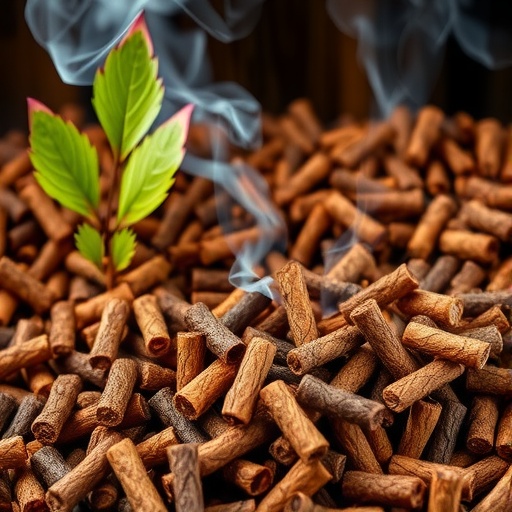
The culinary world continually seeks innovative ways to enhance flavor, texture, and presentation. Amidst this quest, the rising trend of utilizing agro-industrial residues in food preparation has garnered significant attention. Recent groundbreaking research conducted by a team of scientists led by M.P. de Souza has unveiled a revolutionary approach to food smoking using aromatic pellets crafted from these otherwise discarded residues. This study sheds light on an environmentally sustainable practice that also impacts flavor, thus marrying ecological responsibility with gastronomical innovation.
Traditional food smoking methods require natural wood chips, which can lead to deforestation and an over-reliance on specific tree species. This dependency poses serious challenges concerning sustainability. In contrast, the new research proposes an alternative solution wherein gastronomes can utilize agricultural by-products, including those from fruit, grain, and vegetable processing, to create aromatic pellets. This not only benefits the environment by reducing waste but allows for a unique array of flavor profiles previously unexplored in conventional wood smoking.
The methodology behind the creation of these aromatic pellets is particularly fascinating. The research team meticulously selected various agro-industrial residues, subjected them to processes such as dehydration and grinding, and then compacted them into pellet form. This unique formulation enables a consistent burn and smoke release, crucial for effective food smoking. Certain residues, such as those from certain fruits and herbs, possess inherent aromatic properties that can enhance the sensory experience of smoked foods.
A significant aspect of this research resides in the adaptability of the aromatic pellets. The versatility of the ingredients allows for a modified flavor profile, opening an array of culinary opportunities. For instance, by using residues from citrus fruits like oranges or lemons, chefs can imbue smoked dishes with subtle notes that are bright and refreshing. This extensive range of potential flavors suggests a promising avenue for chefs and home cooks alike to experiment within their kitchens.
Food smoking traditionally conveys robust flavors through the use of hardwoods or flavored wood varieties. However, the introduction of these aromatic pellets paves the way for more nuanced tastes that can complement various dishes uniquely. The potential to infuse delicate proteins and vegetables with subtle fruity or herbaceous notes allows for greater creativity in the culinary arts, allowing dishes to stand out and tantalize diners’ palates.
A remarkable feature of using agro-industrial residues is their abundance, especially in industries that produce high volumes of waste. For example, fruit processing plants can yield significant quantities of peels and seeds, materials that often end up in landfills. The transformation of these by-products into smoking pellets not only diverts waste from disposal sites but also contributes to a circular economy where every component of the production process is valued and utilized. This highlights the significance of innovation in waste management within the food industry, emphasizing sustainability as a crucial principle.
The sensory analysis performed in this study also sheds light on the tangible impacts of these aromatic pellets. When subjected to varied culinary applications, foods smoked using agro-industrial residue pellets exhibited divergent flavor notes and aromas compared to those smoked with traditional wood chips. Remarkably, panel tests revealed a preference for some of the unique flavor combinations that the agro-residues offer, marking a significant development in flavor science.
Nutritional aspects also emerge from this innovative approach. By utilizing agricultural residues, the study underscores the potential nutritional benefits these materials can impart. Some residues retain residual vitamins, antioxidants, and other phytochemicals, which could be transferred to the food during smoking. This highlights an important intersection between flavor enhancement and nutritional profile, wherein using these bio-wastes doesn’t merely cater to taste but also enriches dietary benefits.
Additionally, the environmental implications regarding greenhouse gas emissions have become an increasingly pressing concern for industries worldwide. By diverting agro-industrial waste from disposal sites, the research evidences a dual benefit: reducing methane outputs from waste decomposition while simultaneously curbing the need for new lumber for smoking applications. These findings contribute to a broader understanding of how culinary practices can evolve to be more in line with modern environmental standards.
Furthermore, this research is vital for the food industry, presenting opportunities for chefs, food scientists, and sustainability advocates to collaborate on innovative gastronomic ventures. The potential for new culinary techniques and practices anchored in sustainability could shape the future of many restaurant menus. Engaging consumers in these practices not only enhances culinary experiences but also educates them on the virtues of eco-friendly cooking methodologies.
As innovation continues to deepen its roots in culinary practices, the notion of an eco-friendly kitchen is becoming more palpable. The work of de Souza and colleagues stands testament to the idea that we can honor tradition while embracing modernity. The ability to take what was once waste and recontextualize it into gourmet efforts is both inspiring and essential for future food systems.
The study unequivocally ignites conversations around sustainable practices in gastronomy and sparks curiosity in both professional and home kitchens. As chefs and culinary enthusiasts explore the potential offered by these aromatic pellets, we are likely to witness a ripple effect throughout the culinary landscape, impacting everything from menu design to consumer habits.
Awareness about the provenance of food and its environmental impact is on the rise, making this research timely and essential. As individuals strive to align their culinary choices with sustainable practices, innovations like those presented in this research pave the way. The marriage of waste management and culinary creativity opens a new vista in food preparation, one fueled by environmental consciousness and sensory adventure.
In conclusion, de Souza and the team’s work in exploring the use of agro-industrial residues for creating aromatic pellets not only highlights the potential for innovation in food smoking but also marks a transformative moment in our approach to sustainability within the culinary arts. The implications of this research resonate far beyond the kitchen, influencing how we conceptualize waste, flavor, and environmental responsibility.
Subject of Research: Exploring the use of agro-industrial residues in aromatic pellets for food smoking applications.
Article Title: Exploring Novel Agro-industrial Residues in Aromatic Pellets for Food Smoking Applications
Article References:
de Souza, M.P., da Silva, Á.M., Delatorre, F.M. et al. Exploring Novel Agro-industrial Residues in Aromatic Pellets for Food Smoking Applications.
Waste Biomass Valor (2025). https://doi.org/10.1007/s12649-025-03450-6
Image Credits: AI Generated
DOI: https://doi.org/10.1007/s12649-025-03450-6
Keywords: Eco-friendly cooking, food smoking, agro-industrial residues, culinary innovation, sustainability, waste management.


