


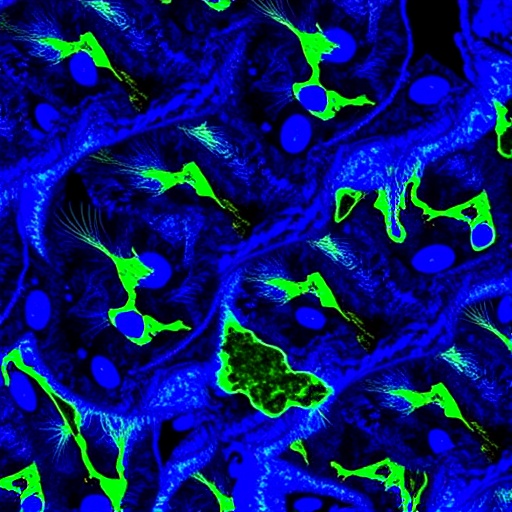
A recent breakthrough in melanoma research has highlighted the critical role of CD248, a receptor known as a vascular adhesion molecule, in the processes of vascular mimicry and metastasis. The study, carried out by a team of researchers led by Kuo et al., sheds light on how interference with CD248 function can lead to a significant reduction in these two pivotal mechanisms that contribute to cancer progression. The correction published in the Journal of Biomedical Science serves as a testament to the advancing knowledge in the fight against melanoma, a notoriously aggressive form of skin cancer.
Melanoma’s propensity to metastasize has long been attributed to various factors, chief among them the tumor’s ability to form structures that mimic blood vessels, allowing for enhanced nutrient delivery and evasion from the immune system. This adaptation, termed vascular mimicry, is believed to provide tumors with a sophisticated escape route from conventional treatment methods, thus posing a significant challenge to oncologists. Understanding the molecular mechanisms underlying this process is crucial for developing more effective therapies.
CD248, also known as endosialin, has recently garnered attention due to its expression in tumors, including melanoma. By mediating interactions between tumor cells and their microenvironment, CD248 plays a dual role—it not only influences tumor growth but also aids in the formation of vascular mimicry structures. This study reveals how targeting this receptor may be a viable strategy to disrupt melanoma’s malignant behavior significantly.
In their research, the authors applied advanced techniques to demonstrate that interference in CD248 function diminishes the capacity of melanoma cells to establish vascular mimicry. Through the use of genetic and pharmacological tools, they were able to manipulate CD248 expression and observe the subsequent effects on tumorigenesis. Their findings indicate that the disruption of CD248 leads to less aggressive malignant characteristics, encapsulating the therapeutic potential of targeting this molecule in treating melanoma.
Importantly, the reduction of vascular mimicry prompted by CD248 interference not only inhibits the physical resource supply to tumors but also alters the tumor microenvironment in a way that is less hospitable to metastatic spread. As cancer cells frequently utilize the formation of these mimicry structures, understanding how to inhibit CD248 function provides a promising avenue for reducing the metastatic potential of melanoma.
The implications of reduced metastasis due to CD248 interference are clear; patients may experience extended survival rates with more effective treatment options. Furthermore, the study emphasizes the potential for combining CD248 targeting strategies with existing therapies. Such combination approaches could enable oncologists to mount a comprehensive attack on melanoma, ultimately improving clinical outcomes for patients suffering from this devastating disease.
Although the study acknowledges the complexities of the tumor microenvironment, it emphasizes the potential of CD248 as a therapeutic target. This presents an exciting opportunity for further research that could explore the viability of CD248 inhibitors in clinical settings. As researchers build upon these findings, future studies may delve deeper into the interactions between CD248 and other components of the tumor microenvironment.
The repercussions of this research extend beyond simply melanoma; they pave the way for studies focused on other forms of cancer as well, where vascular mimicry plays a role. The broader scientific community now has a beacon of hope that targeting vascular adhesion molecules may lead to new therapies not just in melanoma but also in other malignancies characterized by similar evasive maneuvers against the host’s defenses.
Moreover, the role of CD248 in immune evasion is another important facet that warrants investigation. Understanding how interference with this receptor may enhance immune responses to tumors could unlock novel immunotherapeutic approaches. Current cancer treatments that harness the immune system depend on identifying and overcoming mechanisms that allow tumors to escape immune detection. CD248 may turn out to be one such mechanism that, when inhibited, could render tumors more susceptible to immune attack.
Research efforts are now focused on translating these findings into actionable therapies. Clinical trials are likely on the horizon, assessing the safety and efficacy of CD248-targeting drugs. The potential for such targeted therapy to shift the paradigm in melanoma treatment cannot be overstated, especially given the historical challenges posed by this aggressive malignancy.
As this research progresses, collaboration between laboratories, biotech companies, and clinical practitioners will be essential. A multi-disciplinary approach to understanding how CD248 and similar molecules function in the context of tumor biology is critical to bringing new therapies from the bench to the bedside. This will require a commitment to not only basic science but also to the application of that knowledge in clinical settings, ensuring that patients ultimately benefit from these advances.
In summary, Kuo et al.’s work represents a pivotal moment in melanoma research, shining a light on CD248 as a vital component of tumor development and metastasis. Their findings suggest that by inhibiting this molecule, there may be an opportunity to substantially shift the dynamics of tumor biology in favor of the host. As we look forward to future research directions inspired by these findings, the hope is that melanoma will soon face the transformative therapeutic advancements it so desperately needs.
The fight against melanoma continues to evolve, with every piece of research adding to our understanding of this complex disease. With interventions targeting CD248, we may soon see a ray of hope, offering a brighter future for patients grappling with the aggressive nature of melanoma. While the road ahead will undoubtedly present challenges, the study underscores the importance of continued investigation and innovation in the area of cancer research.
In conclusion, the revelation that interference in melanoma CD248 function can curtail vascular mimicry and metastasis underscores a significant advancement in the search for effective cancer therapies. The potential applications of this knowledge are vast and could lead to improved patient outcomes. With further research and clinical research likely to follow, the implications of this study may well resonate through the field of oncology, fostering hope among patients and providing a much-needed weapon in the fight against melanoma.
Cite Scienmag News
Nathaniel Bowman. (September 5, 2025). Inhibiting CD248 Diminishes Melanoma Vascular Mimicry. Scienmag. https://scienmag.com/inhibiting-cd248-diminishes-melanoma-vascular-mimicry/
Nathaniel Bowman. "Inhibiting CD248 Diminishes Melanoma Vascular Mimicry." Scienmag, 5 September 2025, https://scienmag.com/inhibiting-cd248-diminishes-melanoma-vascular-mimicry/. Accessed 4 September 2026.
Nathaniel Bowman. "Inhibiting CD248 Diminishes Melanoma Vascular Mimicry." Scienmag. September 5, 2025. https://scienmag.com/inhibiting-cd248-diminishes-melanoma-vascular-mimicry/


