


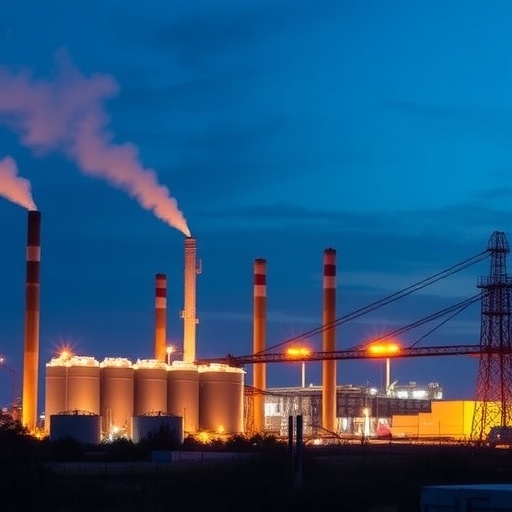
In the landscape of global energy transition, the role of energy-intensive industries (EIIs) such as cement, steel, and aluminium is undergoing dramatic reassessment. These sectors, traditionally viewed as rigid demand centers for electricity, are facing a decline in demand that has led to widespread industrial overcapacity. While overcapacity is often considered inefficient and wasteful, new research from China brings a surprising perspective: it might actually serve as a strategic asset for electricity system flexibility in a decarbonized future. By examining China’s aluminium smelting industry, a sector known for its massive electricity consumption and large-scale overcapacity, scientists are revealing that maintaining surplus production capacity could unlock unprecedented flexibility in electricity use, offering major economic and environmental benefits.
China’s aluminium sector has historically been characterized by continuous operation to maximize output and efficiency, with little regard for fluctuating electricity demand patterns. However, as renewable energy sources like wind and solar, with their inherent intermittency and seasonality, become dominant players in the power grid, the need for flexible demand-side management has intensified. The latest study highlights how preserving overcapacity in aluminium smelting plants can enable a seasonal operation model that pauses output during critical winter electricity demand peaks, which are further intensified by heating electrification. Such strategic shut-downs not only alleviate the stress on the grid but can drastically reduce the necessity for costly capacity expansions and operational expenses.
This concept of seasonal flexibility represents a paradigm shift. Rather than overcapacity symbolizing inefficiency, it becomes a buffer that regulators and utilities can rely upon to stabilize energy supply and demand mismatches. In the winter months, when electricity consumption is at its peak due to heating needs and less renewable generation is available, aluminium smelters could cease or reduce operations, thereby curbing overall electricity demand without compromising long-term production commitments. Conversely, during seasons with ample renewable power availability, excess production can be ramped up to compensate. The research’s quantitative modeling estimates potential system cost reductions between 23 and 32 billion Chinese yuan annually, equating to about 11-15% of the aluminium sector’s product value, an economic trade-off much larger than previously considered.
What makes this discovery particularly attractive is its alignment with decarbonization goals. By smoothing the peaks in electricity demand, the pressing need to rely on fossil-fuel-based thermal power plants during high-load periods diminishes substantially. This seasonal operational adjustment effectively harmonizes industrial electricity usage with renewable generation profiles, reducing carbon emissions associated with grid balancing. Moreover, the flexibility introduced by industrial overcapacity could reduce reliance on expensive, large-scale energy storage or grid reinforcement investments, both of which pose technical and financial challenges in transitioning to a green energy system.
Importantly, the study does not ignore the costs associated with halting production seasonally—such as increased smelter maintenance and the expenses linked to storing aluminium products before shipping. However, it robustly argues that these costs are outweighed by the systemic savings realized through optimized electricity use and reduced infrastructure investments. The smelters’ ability to stagger production across the year while accommodating market demands more flexibly transforms what has traditionally been a liability into a valuable form of electrical load management.
A novel social dimension arises from the research’s insights into labor dynamics. The seasonal operation model could foster labor complementarities between aluminium production and the thermal power sector, potentially mitigating job losses caused by industrial slowdowns. During periods of aluminium production shutdown, workers could be temporarily employed in peak-time support roles within thermal plants or grid maintenance, creating a more resilient employment landscape across energy and industry sectors. This multidimensional approach to energy-flexibility and workforce management adds a critical human dimension to the otherwise technical dialogue on decarbonization.
At a national scale, China’s aluminium smelting industry is a fitting pilot for such a concept owing to its scale, technological maturity, and existing overcapacity. The lessons learned from this case study could be adapted and replicated in other EIIs domestically and internationally, especially as countries scramble to integrate increasing shares of renewable power while maintaining industrial competitiveness. The results strongly advocate for reconsidering rigid, continuous operation assumptions in energy-intensive manufacturing sectors, encouraging regulatory frameworks to incentivize flexible, seasonal production scheduling instead.
Energy system planners face an urgent imperative to balance grid reliability with ambitious climate targets. The conventional approach of constructing excess generation assets or large-scale storage facilities to manage peak loads is increasingly costly and technologically constrained. The innovative strategy proposed by this research introduces a demand-side flexibility resource that has long been overlooked in energy modeling—the intentional retention and strategic utilization of industrial overcapacity. By redesigning production schedules to align with electricity supply dynamics, industries enhance the overall value proposition of renewable deployment and complement large power system investments.
The potential ripple effects on global energy markets and policy landscapes are significant. Countries with large, electricity-intensive industrial sectors could find a competitive advantage through enabling flexible operation, effectively acting as “dispatchable demand” resources that buffer and integrate variable renewables into the grid. This could catalyze a new segment of demand response participation where industrial users do not just shift load hourly but manage seasonal modulation as a standard practice, thereby diffusing pressure on power infrastructure throughout the year.
From a technical viewpoint, the implementation of this seasonal operation paradigm requires refined monitoring and control systems at aluminium smelters, integration with grid operators, and possibly financial instruments to reward flexibility. The study underscores the importance of digitalization and smart manufacturing technologies to enable rapid start-stop cycles and real-time demand management without sacrificing product quality or safety. Such technological innovations are expected to evolve alongside electrification and decarbonization trends, further embedding flexibility principles in industrial processes.
Interestingly, this research pivots the conversation about overcapacity away from being a sign of market inefficiency toward a strategic asset in energy transition pathways. The notion that deliberate capacity retention can lead to system-level cost savings and emission reductions challenges orthodox economic doctrines and calls for cross-sectoral collaboration between industry players, policymakers, and grid operators. This multifaceted approach blends economic resilience with environmental stewardship, reflecting a nuanced understanding of complex energy-industrial systems.
The study’s implications extend into climate policy and resource allocation decisions, suggesting that efforts to shutter idle industrial facilities should be carefully calibrated against the emerging value of flexibility contributions they can offer. Premature dismantling could inadvertently reduce the grid’s ability to absorb renewables, lead to increased emissions, or force costly investments in storage and backup generation. Hence, policies fostering flexible operation incentives and maintenance of strategic overcapacity might better serve long-term sustainability goals.
Moreover, integrating environmental externalities and social impact metrics in assessing industrial overcapacity adds depth to the cost-benefit equation. The approach promoted by this research transcends simplistic production maximization, emphasizing adaptability, resilience, and multi-objective optimization in modern energy systems. It not only aligns with decarbonization targets but also paves pathways for more inclusive, just energy transitions where communities and workers are engaged constructively rather than marginalized.
As future work, extending this study to other EIIs beyond aluminium, such as steel and cement, could provide broader understanding and applicability of seasonal flexibility strategies. Additionally, investigating the interplay between grid-scale storage solutions, demand response programs, and industrial overcapacity’s role could reveal integrated system optimization opportunities. A dynamic regulatory environment encouraging innovation and data sharing will be essential to transform this conceptual breakthrough into practical deployment.
In conclusion, the emerging narrative from China’s aluminium smelting sector exemplifies how rethinking overcapacity not as a problem but as a potential solution reframes energy transition challenges. The research offers compelling evidence that industrial overcapacity, traditionally undesired, can evolve into an indispensable asset for renewable integration and grid stability. By adopting seasonal flex operations, energy-intensive industries can contribute substantially to cost reduction, emission mitigation, and labor market synergies, setting a precedent for sustainable industrial growth aligned with planetary boundaries and economic competitiveness.
Cite Scienmag News
Denise Maddox. (June 12, 2026). Industrial Overcapacity Boosts Seasonal Electricity Flexibility. Scienmag. https://scienmag.com/industrial-overcapacity-boosts-seasonal-electricity-flexibility/
Denise Maddox. "Industrial Overcapacity Boosts Seasonal Electricity Flexibility." Scienmag, 12 June 2026, https://scienmag.com/industrial-overcapacity-boosts-seasonal-electricity-flexibility/. Accessed 3 September 2026.
Denise Maddox. "Industrial Overcapacity Boosts Seasonal Electricity Flexibility." Scienmag. June 12, 2026. https://scienmag.com/industrial-overcapacity-boosts-seasonal-electricity-flexibility/


