

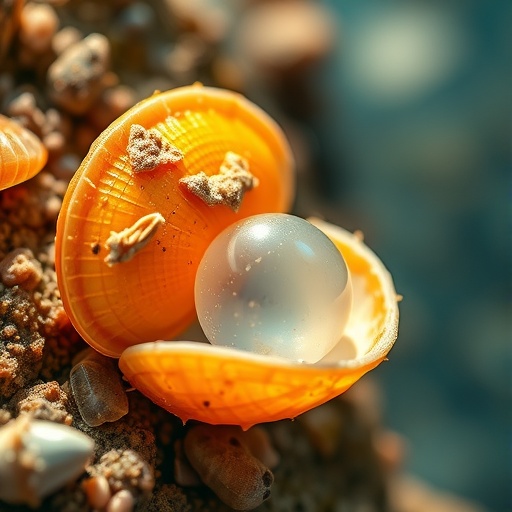
Microplastics have emerged as one of the most pressing environmental challenges of our time, affecting biodiversity and ecosystem health across the globe. The ubiquitous presence of these tiny plastic particles in various marine environments signifies a grave concern, especially regarding their impact on aquatic organisms. Among those organisms, bivalves, a significant group of marine species including clams, oysters, and mussels, are particularly vulnerable to the perils of microplastic pollution. Bivalves serve not only as a critical food source for numerous predators but also play essential roles in nutrient cycling and water filtration within their ecosystems.
Recent research conducted by Kargar, Hamidian, and Basaran takes a comprehensive look at the implications of microplastics in bivalves, emphasizing their analysis, quantification, and the physiological effects on these organisms. The study meticulously details various methodologies employed in assessing microplastic prevalence within bivalve species, shedding light on the complex relationship between these organisms and atmospheric contaminants. Such insights are imperative for developing effective strategies to mitigate the impact of microplastics on marine life and the human food chain.
The analysis phase of the research showcased an array of techniques utilized to detect microplastics in bivalve specimens. Optical microscopy, scanning electron microscopy, and Fourier-transform infrared spectroscopy were among the primary tools employed in identifying and characterizing microplastic particles within these organisms. By leveraging these advanced methodologies, researchers ensured accurate determinations of particle types, sizes, and concentrations, which ultimately leads to deeper understandings of microplastic distribution in marine environments.
Quantification of microplastics in bivalve tissues proved to be a significant component of this research. The scientists systematically collected samples from various bivalve species in multiple marine environments, ranging from coastal regions to deeper ocean waters. Through careful sampling and robust statistical analyses, the study reveals alarming quantities and types of microplastics that bivalves are accumulating over time. These results paint a dire picture of the extent of pollution present in our oceans and its potential to disrupt marine food webs.
On a physiological level, the repercussions of microplastic ingestion have raised serious concerns regarding the health and viability of bivalve populations. The study dives into the hormonal, reproductive, and immune system effects that microplastics can induce when ingested. Disturbances within these biological processes can lead to significant declines in bivalve populations, which, in turn, carry consequences for species that rely on them for sustenance.
The research underscores the fact that microplastics are not just passive contaminants; they can also act as vectors for harmful chemicals and pathogens. Bivalves inadvertently absorb these dangerous substances, which may accumulate in their tissues and magnify biomagnification effects throughout marine ecosystems. This troubling dynamic amplifies the urgency for remedial actions to curb plastic production and promote cleaner methodologies for waste management.
Furthermore, the implications of microplastics on human health cannot be overlooked. As bivalves are commonly consumed by humans, understanding the extent of microplastic accumulation in these species becomes critical. The study raises essential questions regarding food safety and the potential health risks posed to consumers, as well as the larger implications for food security in coastal communities.
In addressing the need for further research, the authors emphasize the importance of long-term monitoring programs to track microplastic levels and their effects on marine organisms. By establishing a continuous research framework, scientists can better understand how microplastics evolve within marine systems, offering invaluable data to inform policymakers aimed at spearheading environmental reforms.
Given the complexity of the issue, tackling the microplastic crisis requires a multi-faceted approach. The authors advocate for collaborative efforts between researchers, policymakers, and the public to elevate awareness and catalyze action against microplastic pollution. Public engagement is essential, as behavioral changes in consumption and waste disposal can significantly mitigate the release of plastics into marine environments.
As awareness of microplastic contamination grows, innovations in material science may offer promising solutions. The development of biodegradable alternatives and stricter regulations on plastic use can undoubtedly curb the influx of these harmful particles into our oceans. Education, coupled with actionable policies, remains crucial components of fostering a healthier maritime ecosystem.
In summary, Kargar, Hamidian, and Basaran’s review sheds light on the critical and often overlooked issue of microplastics in bivalves, detailing the alarming prevalence of these contaminants in marine environments and their subsequent effects on both marine life and human health. The urgent need for actionable responses and comprehensive studies will become increasingly apparent as our understanding deepens, making this research a timely and essential contribution to environmental monitoring and assessment.
The world continues to grapple with the environmental implications of plastic pollution, and microplastics pose a significant and growing threat to bivalves and, ultimately, human health and ecological balance. Addressing these challenges through innovative research, collaborative strategies, and community engagement will be essential to ensure the protection of our oceans and the species that inhabit them.
As the scientific community pushes forward in identifying the breadth of microplastics’ effects, combined efforts can lead to meaningful change to mitigate their presence in our beloved marine ecosystems. The findings presented in this study illuminate both the challenges that lie ahead and the critical necessity for continued vigilance and action.
Subject of Research: Microplastics in Bivalves
Article Title: A review on microplastics in bivalves: analysis, quantification, and effects.
Article References: Kargar, M., Hamidian, A.H. & Basaran, B. A review on microplastics in bivalves: analysis, quantification, and effects. Environ Monit Assess 198, 70 (2026). https://doi.org/10.1007/s10661-025-14931-5
Image Credits: AI Generated
DOI: https://doi.org/10.1007/s10661-025-14931-5
Keywords: Microplastics, Bivalves, Marine Pollution, Ecosystem Health, Environmental Monitoring.


