

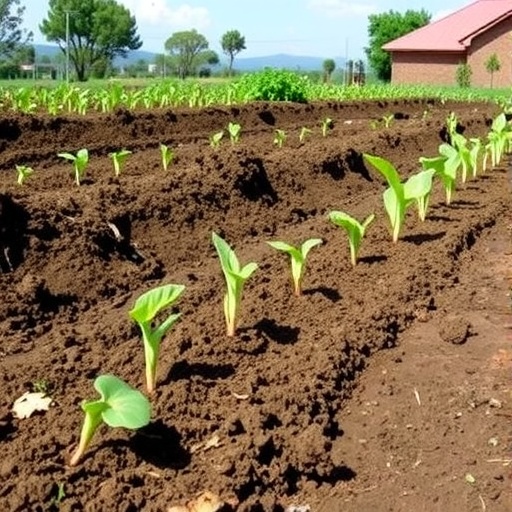
In the latest research conducted by Sebhat Damene, pivotal findings on the implications of land uses and land cover conversion reveal significant impacts on soil quality within the lower Alwero watershed of Gambela region, Western Ethiopia. As agricultural and developmental pressures mount, understanding how these changes affect soil ecosystems becomes crucial for sustainable practices. This study delves into the intricate relationship between land use transformations and the health of the soil, offering a comprehensive analysis that holds vital implications for future land management strategies.
The emphasis on soil quality cannot be overstated, particularly in regions like Gambela, which is characterized by its rich biodiversity and agricultural potential. Soil serves as a foundational element for ecosystems, influencing everything from plant growth to water retention and carbon sequestration. As land use patterns shift, often driven by agricultural expansion and urban development, the delicate balance of soil composition can be disrupted. The research uncovers how various types of land cover—such as forests, grasslands, and agricultural lands—interact with the soil to determine its overall health.
Damene’s study employs a multi-faceted approach to assess soil quality across different land cover types. By utilizing a combination of field surveys and advanced soil analysis techniques, the research identifies key indicators of soil health, including organic matter content, nutrient availability, and microbial activity. Each of these indicators offers insight into how land use changes affect the soil’s ability to support plant life and maintain ecological integrity.
One of the study’s significant findings is the detrimental effect of land conversion from natural habitats to agricultural use. As forests and grasslands are converted into croplands, there is a marked decline in soil organic matter, which is essential for sustaining fertility. Soil organic matter contributes to the soil’s structure, enhances nutrient cycling, and increases its resilience against erosion. In the wake of land conversion, the loss of this crucial component poses a threat to long-term agricultural productivity and ecosystem stability.
Moreover, the research highlights the role of traditional farming practices that often prioritize short-term yields over sustainable soil management. Throughout the Gambela region, farmers may resort to practices such as intensive tillage, which exacerbates soil degradation. The study emphasizes the need for sustainable agricultural practices that can help to mitigate these impacts, including crop rotation and agroforestry, which can enhance soil structure and health over time.
Alongside agricultural pressures, urbanization has also emerged as a significant factor influencing soil quality in the area. As communities expand, impervious surfaces are created, interfering with natural water drainage and soil replenishment processes. The resultant runoff can lead to increased pollution and nutrient loading in waterways, which further complicates soil health. The interplay between urban development and agricultural expansion exemplifies the complexities of land use management within the region.
In response to these findings, Damene advocates for integrated land management strategies that prioritize soil conservation as a fundamental principle. Policymakers and land use planners in the region need to embrace a holistic approach that considers the interdependencies of land use, environmental health, and community resilience. Such strategies could include better zoning regulations, incentives for sustainable practices, and educational initiatives aimed at farmers and local communities.
The implications of this research extend beyond the immediate context of the lower Alwero watershed. As global trends continue to push for increased agricultural outputs to feed a growing population, lessons from this study resonate on a larger scale. The degradation of soil quality is a ubiquitous challenge faced by many regions worldwide, making Damene’s findings relevant for international discussions on sustainable development and food security.
In conclusion, the research conducted by Damene underscores the urgent need to reassess how land use decisions are made within the Gambela region. By prioritizing soil health through informed and sustainable practices, communities can foster an environment that supports both agricultural productivity and ecological integrity. This research serves as a call to action for stakeholders at all levels to recognize the critical role that effective land management plays in ensuring soil quality for generations to come.
As the world grapples with the effects of climate change and environmental degradation, studies like this provide not only insights but also solutions that can pave the way for a sustainable future.
Understanding the fundamental connection between land use and soil quality will be critical for addressing food security challenges in the coming decades. With rising pressures on land resources, protecting and enhancing soil health must be a shared priority among governments, researchers, and communities.
By embracing innovative agricultural practices and respecting the natural ecosystems that nourish our soils, we can ensure that the earth’s vital resources are available for future generations. The findings of Damene set the stage for further research and action, encouraging a shift towards a more sustainable relationship with our land.
Subject of Research: Implications of land uses and land cover conversion on soil quality
Article Title: Implications of land uses and land cover conversion on soil quality in the lower Alwero watershed Gambela region Western Ethiopia
Article References:
Damene, S. Implications of land uses and land cover conversion on soil quality in the lower Alwero watershed Gambela region Western Ethiopia.
Discov Sustain (2026). https://doi.org/10.1007/s43621-026-02650-x
Image Credits: AI Generated
DOI: 10.1007/s43621-026-02650-x
Keywords: Soil quality, land use, land cover conversion, sustainable agriculture, Gambela region.


