

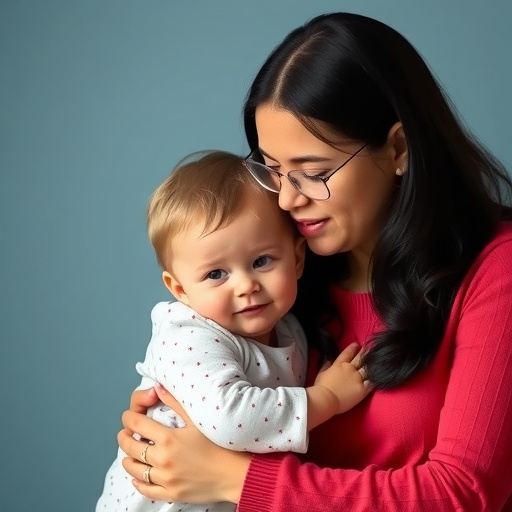
In the wake of the COVID-19 pandemic, a comprehensive study has emerged that delves into the intricate dynamics between parenting and children’s mental health. Conducted by researchers Withers, Lapshina, and Stewart, the study titled “Exploring Parenting and Children’s Mental Health Pre and During the COVID-19 Pandemic” offers critical insights into how parental approaches to child-rearing affected mental health outcomes amidst unprecedented global challenges. This interdisciplinary exploration not only sheds light on the immediate effects of the pandemic but also raises questions about long-term implications for children’s developmental trajectories.
From the outset, the significance of parental involvement during times of crisis is underscored. The pandemic fundamentally altered daily routines, introduced social distancing measures, and created an unrelenting atmosphere of uncertainty. These changes posed unique challenges for parents as they navigated their own stress while striving to safeguard their children’s emotional well-being. The study meticulously chronicles these trials, illustrating how various parenting styles interacted with the psychological vulnerabilities of children during the pandemic.
One striking finding from the research indicates a stark divide in how different parenting approaches influenced children’s mental health. Authoritative parenting, characterized by warmth and structure, appeared to act as a protective factor. Meanwhile, less flexible parenting styles were correlated with increased anxiety and behavioral issues in children. As families grappled with new norms—from remote schooling to altered social interactions—the adaptability of parental strategies became paramount, with more adaptable parents effectively shielding their children from some of the pandemic’s harsher psychological impacts.
Moreover, the researchers conducted a comparative analysis of data collected both before and during the pandemic, offering a vivid portrayal of the shifts in children’s mental health status over time. In pre-pandemic contexts, children’s mental health seemed relatively stable; however, during the pandemic, a tangible uptick in anxiety and depressive symptoms was reported. This juxtaposition is crucial in understanding the pandemic’s immediate effects and raises questions about how pandemic-driven stressors could have lasting implications for children’s emotional health.
Another pivotal aspect highlighted in the study is the role of communication between parents and children. The researchers found that families who maintained open and supportive dialogues were better equipped to manage the emotional fallout of the pandemic. Communication served as a crucial conduit for children to express fears and uncertainties, allowing parents to address concerns proactively. This finding underscores the importance of emotional literacy in parenting, illustrating that fostering an environment where children feel safe to share their thoughts can alleviate some of the mental health burdens exacerbated by the crisis.
Interestingly, the study also explored the differential effects of external support systems on families. Parents who had access to community resources, such as mental health services and social support networks, reported lower levels of stress and better mental health outcomes for their children. This highlights the necessity for societal structures that bolster family resilience during crises. Moreover, policymakers are now urged to consider family support frameworks that can be mobilized in the face of future public health emergencies.
The researchers also made a compelling case for the need to expand mental health resources tailored specifically for children. The pandemic highlighted pre-existing gaps in children’s mental health services, which, if addressed, could enhance the overall resilience of families. They argue that proactive measures, such as mental health screenings in schools and community programs, could facilitate early intervention, ultimately benefiting children’s mental health in both current and post-pandemic contexts.
As they reflect on the data collected from diverse family backgrounds, the researchers emphasize the need for a nuanced understanding of how socio-economic factors intersect with parenting and child mental health. Families from different socio-economic backgrounds experienced unique stressors during the pandemic, which in turn influenced the effectiveness of their parenting strategies. This intersectional analysis is vital for understanding the broader societal implications and for tailoring interventions that address these diverse needs.
Post-pandemic, the authors argue that it is essential to cultivate an environment where parents are equipped with the skills and knowledge to support their children’s mental health effectively. Programs aimed at strengthening parenting practices will be invaluable in mitigating the long-term impacts witnessed during such crises. The findings propose actionable strategies, such as workshops for parents to develop skills for promoting emotional resilience in their children, highlighting the pressing need for accessible resources.
The implications of the study extend beyond the immediate pandemic context. As the world begins to recover, understanding these dynamics becomes crucial for future public health strategies. The transition back to a semblance of normalcy presents its own challenges, and the insights garnered from this research could inform best practices in child development and mental health promotion in the years to come.
In closing, the research conducted by Withers, Lapshina, and Stewart serves as a clarion call for heightened awareness of the intricate relationship between parenting and children’s mental health, particularly in global crises. Their findings echo the importance of resilience, adaptability, and supportive communication within families, all of which play a pivotal role in navigating the mental health challenges that have surfaced during the COVID-19 pandemic. As society moves forward, these insights will undoubtedly shape how we support parents and children alike, ensuring that the lessons learned from this extraordinary period inform future approaches to parenting and mental health.
As we continue to process the significant effects of the pandemic, this study is poised to influence not only academic discourse but also practical approaches to mental health support for children and families. It is clear that the pandemic has reshaped the landscape of parenting, offering valuable lessons that we must not overlook.
Subject of Research: Parenting and children’s mental health during the COVID-19 pandemic
Article Title: Exploring Parenting and Children’s Mental Health Pre and During the COVID-19 Pandemic
Article References:
Withers, A., Lapshina, N. & Stewart, S.L. Exploring Parenting and Children’s Mental Health Pre and During the COVID-19 Pandemic.
Child Psychiatry Hum Dev (2025). https://doi.org/10.1007/s10578-025-01941-0
Image Credits: AI Generated
DOI: https://doi.org/10.1007/s10578-025-01941-0
Keywords: Parenting, children’s mental health, COVID-19 pandemic, mental health resources, parental involvement, communication, socio-economic factors.


