

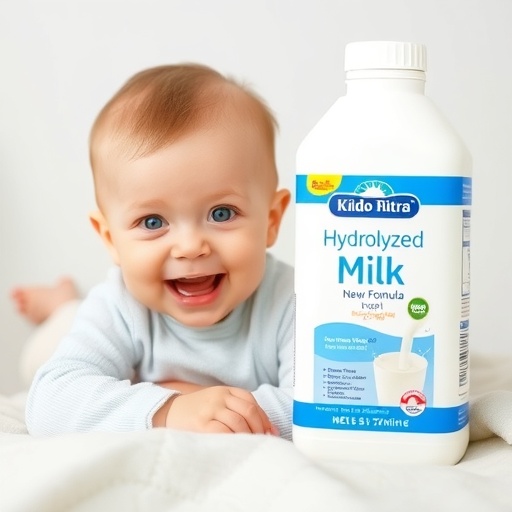
Recent breakthroughs in infant nutrition are shedding light on the benefits of partially hydrolyzed cow’s milk protein formulas enriched with prebiotics. A recent double-blind randomized controlled trial (DBRCT) published in BMC Pediatrics has provided compelling evidence indicating that such formulas are not only well-tolerated but also safe, while effectively promoting growth and development in healthy term infants up to one year of age. This revelation may significantly impact dietary recommendations for infants, particularly for those at risk of allergies or gastrointestinal issues often associated with traditional cow’s milk protein.
The study encompassed a diverse population of infants, meticulously monitored to assess their growth metrics, tolerance levels, and overall health outcomes while consuming the newly formulated milk. Researchers aimed to create a robust understanding of how these modified formulas function when introduced to a delicate infant digestive system. Over a broad demographic spectrum, infants showcased remarkable resilience and adaptability to the introduction of the new protein source, which links back to the design of partially hydrolyzed proteins aiming to minimize allergenic potential while maximizing nutritional value.
Central to the findings was the introduction of prebiotics alongside the modified protein formula. Prebiotics, which serve as food for beneficial gut bacteria, have been shown to foster healthier gut microbiomes, thereby enhancing digestion and overall health. The synergistic effect of these components was analyzed extensively throughout the duration of the research. Notably, the study highlighted the positive correlation between the intake of this enriched formula and improved physiological responses, including better weight gain and healthy metabolic rates in the participating infants.
As we delve into the particulars of the study, it is paramount to understand the rigorous methodology implemented to ensure the validity of the results. The participants were randomly assigned to either the experimental or control group, which received standard infant formula. Researchers collected and analyzed data on growth metrics such as weight, height, and head circumference, along with monitoring adverse reactions to the formula. This statistical framework lent credibility to the idea that carefully altered cow’s milk protein can indeed make a significant difference in infant nutrition.
The response from parents who opted to include this fortified formula in their infants’ diets has been overwhelmingly positive. Many expressed relief at finding a product that not only aligned with pediatrician recommendations but also provided assurance for their infants’ health and well-being. The protection against digestive discomfort or allergic reactions was particularly appreciated, marking a pivotal shift in how caregivers approach infant feeding.
Nutritionists and pediatricians are now poised to recommend these findings as part of evidence-based dietary guidelines for infants, emphasizing the potential for partially hydrolyzed formulas to address common feeding challenges. The feedback from the clinical community has been supportive, as they recognize the importance of developing formulas that cater specifically to infants with sensitive digestive systems or a family history of allergies. Such proactive nutritional strategies may pave the way for healthier outcomes in the next generation.
The implications of the research extend beyond immediate nutritional benefits. Encouraging a healthier gut microbiome through the use of prebiotics and modified proteins could lead to long-term health advantages, potentially decreasing the risk of obesity, allergies, and intolerances as children grow. This aligns perfectly with the increasing understanding of the role that gut health plays in overall wellbeing, emphasizing the concept that fostering a healthy microbiome in early childhood is crucial.
Interestingly, the debate surrounding cow’s milk in infant nutrition is marked by diverse opinions. Critics often raise concerns regarding its allergenic properties and the digestive challenges linked to traditional formulas. However, the advent of partially hydrolyzed formulas presents a promising alternative. This study emerges as a beacon of hope, presenting data that counters fears surrounding cow’s milk, thereby indicating that with appropriate modifications, its introduction can be both safe and beneficial.
As the research community continues to explore the nuances of infant nutrition, it is essential to address existing misconceptions and provide clear communication regarding new findings. Engaging with parents through educational initiatives can amplify the impact of such studies, ensuring that the benefits of a newly developed formula reach those who need it the most. Increased awareness can empower parents to make informed decisions about their infants’ dietary needs.
Moreover, this research signifies a growing trend towards personalized nutrition. As our understanding of individual dietary needs continues to expand, we may soon witness a shift from one-size-fits-all formulas to tailored nutritional solutions that cater to specific health requirements of infants. The strides taken in this study are a testament to the evolving landscape of pediatric nutrition, where the health and wellness of the next generation remain paramount.
In conclusion, the findings from this comprehensive study highlight an exciting frontier in infant nutrition. The use of partially hydrolyzed cow’s milk protein formulas augmented with prebiotics presents a viable option for promoting healthy growth while addressing common concerns related to infant feeding. As more families seek reliable nutritional solutions for their infants, this research could serve as a cornerstone for developing future dietary guidelines and establishing best practices in pediatric nutrition.
The evolving narrative of what constitutes optimal infant nutrition continues to unfold, driven by scientific discovery and innovative thinking. As this largely under-researched area gains traction, one can only speculate on the future advancements that will shape how we nurture our youngest population, laying a strong foundation for their lifelong health and well-being.
Subject of Research: The benefits of partially hydrolyzed cow’s milk protein formulas with added prebiotics for healthy term infants.
Article Title: Partially hydrolyzed cow’s milk protein formula with an added prebiotic is well-tolerated, safe, and supports age-appropriate growth in healthy term infants through one year of age: DBRCT.
Article References:
Fabrizio, V., Abdelmagid, S.A., Bose, A. et al. Partially hydrolyzed cow’s milk protein formula with an added prebiotic is well-tolerated, safe, and supports age-appropriate growth in healthy term infants through one year of age: DBRCT. BMC Pediatr (2026). https://doi.org/10.1186/s12887-025-06454-2
Image Credits: AI Generated
DOI: 10.1186/s12887-025-06454-2
Keywords: infant nutrition, cow’s milk protein, prebiotics, growth, health outcomes, double-blind randomized controlled trial.


