

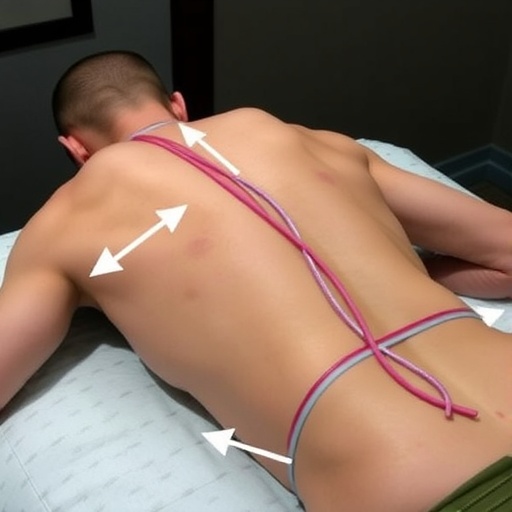
In the realm of pain management, healthcare professionals continually seek innovative techniques to alleviate chronic pain conditions. One such innovation gaining momentum is the method of ultrasound-guided myofascial hydrodissection. This technique, which utilizes ultrasound imaging to guide the injection of fluid into the fascia surrounding muscle tissue, has been shown to yield promising results for individuals suffering from myofascial pain syndrome (MPS). Recent findings highlight its efficacy in promoting pain relief and functional improvement, proving to be a significant advancement in the treatment landscape.
Myofascial pain syndrome is a complex condition characterized by localized muscle pain and tenderness, often attributed to the presence of trigger points. These hyperirritable spots within taut bands of muscle can lead to significant discomfort and limitations in daily activities. Traditionally, treatment modalities for MPS have included physical therapy, medication, and, in some cases, invasive procedures. However, these methods can sometimes fall short in providing long-lasting relief.
The advent of ultrasound-guided hydrodissection marks a paradigm shift in how practitioners approach myofascial pain. This technique allows for precise targeting of fascial planes, minimizing damage to surrounding tissues, and enhancing the effectiveness of the treatment. Utilizing ultrasound technology not only increases the accuracy of fluid administration but also enables real-time monitoring of the procedure, which is crucial for minimizing patient discomfort and optimizing outcomes.
A recent retrospective study conducted by Chen et al. sheds light on the benefits of this innovative approach. The researchers aimed to evaluate the effectiveness of ultrasound-guided myofascial hydrodissection in providing pain relief and improving functional mobility in patients diagnosed with MPS. Preliminary observations suggest that this technique can significantly reduce pain intensity, allowing individuals to reclaim their quality of life.
The study involved a cohort of patients who underwent the hydrodissection procedure, implemented under the careful guidance of ultrasound imaging. The procedure involved injecting a sterile saline solution into the affected fascial layers, effectively hydrating the tissue and promoting separation of the fascial planes. This process is thought to reduce pressure on sensitive nerve endings within the fascia, thereby alleviating pain.
Results from the study indicate that patients experienced substantial reductions in pain scores following hydrodissection. The use of validated pain assessment tools allowed the researchers to quantify these improvements effectively. Moreover, participants reported enhanced functional mobility, which is a critical component of rehabilitation from myofascial pain syndrome. Patients noted an increased ability to engage in daily activities without the debilitating discomfort they previously faced.
One of the striking aspects of the study was the rapid onset of relief experienced by patients post-procedure. For many individuals grappling with chronic pain, immediate results can be a transformative experience, often reigniting hope for recovery. The findings suggest that ultrasound-guided hydrodissection not only provides immediate benefits but may also foster long-term advantages regarding pain management and functional enhancement.
Furthermore, the significance of employing ultrasound guidance during the procedure cannot be understated. This imaging technique ensures accurate localization of treatment areas, reducing the likelihood of complications associated with blind injection approaches. The study highlights the safety profile of hydrodissection, indicating a low incidence of adverse effects when performed correctly.
As more practitioners become aware of this technique, training and education will play a critical role in its implementation. Integrating ultrasound-guided hydrodissection into clinical practice requires familiarity with ultrasound imaging and an understanding of the anatomy involved in myofascial pain syndrome.
Future research is essential for validating these findings and exploring the potential mechanisms behind the observed pain relief. Understanding how hydrodissection interacts with myofascial tissue and the surrounding structures will be pivotal in refining treatment protocols and enhancing patient outcomes.
Consequently, the implications of ultrasound-guided myofascial hydrodissection extend beyond individual patient cases. By offering a minimally invasive alternative to traditional pain therapies, this technique could reshape the treatment landscape for myofascial pain management. It emphasizes the importance of innovation in the medical field, particularly in developing effective, patient-centered approaches to pain relief.
As the field of pain management continues to evolve, techniques like ultrasound-guided hydrodissection represent a beacon of hope for individuals battling chronic pain conditions. As healthcare professionals increasingly adopt this method, the ongoing commitment to research and advancement in treatment techniques remains vital. Ultimately, the journey towards comprehensive pain relief begins with innovative approaches that prioritize the well-being of patients and their quality of life.
In summary, ultrasound-guided myofascial hydrodissection offers a promising avenue for addressing the challenges associated with myofascial pain syndrome. By leveraging advanced imaging techniques, healthcare providers can effectively target and treat affected areas, providing patients with the relief they desperately seek. The findings of the recent study reinforce the necessity for continued exploration and refinement of techniques aimed at improving the lives of those coping with chronic pain conditions.
Subject of Research: Ultrasound-Guided Myofascial Hydrodissection
Article Title: Ultrasound-Guided Myofascial Hydrodissection for Myofascial Pain Syndrome: A Retrospective Study on Pain Relief and Functional Improvement
Article References:
Chen, Y., Sun, Y., Ai, S. et al. Ultrasound-Guided Myofascial Hydrodissection for Myofascial Pain Syndrome: A Retrospective Study on Pain Relief and Functional Improvement.
J. Med. Biol. Eng. (2025). https://doi.org/10.1007/s40846-025-00994-9
Image Credits: AI Generated
DOI: https://doi.org/10.1007/s40846-025-00994-9
Keywords: Myofascial Pain Syndrome, Ultrasound-Guided Hydrodissection, Pain Relief, Functional Improvement, Chronic Pain Management.


