

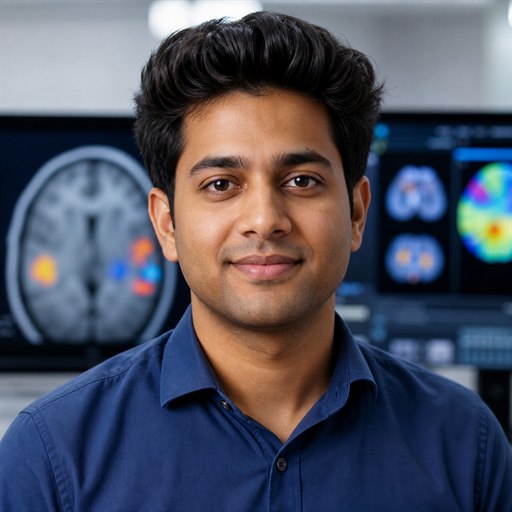
In a groundbreaking advance that may revolutionize the management of chronic pain, researchers have developed a personalized brain decoding model that objectively tracks spontaneous pain in individuals suffering from chronic pain disorders. This study, detailed in a recent publication in Nature Neuroscience, leverages precision functional magnetic resonance imaging (fMRI) collected longitudinally over more than six months, marking a significant leap toward addressing one of the most elusive challenges in neuroscience: the objective measurement of spontaneous pain.
Chronic pain affects millions worldwide and is notoriously difficult to quantify. Unlike acute pain, which typically arises from a clear injury or stimulus, spontaneous pain emerges without any immediate cause and fluctuates over time, complicating both diagnosis and treatment. Current assessment methods rely heavily on subjective patient reports, which are susceptible to bias and variability. The advent of an objective biomarker, therefore, holds the promise of transforming patient care, enabling clinicians to monitor pain levels more accurately, tailor treatments, and perhaps advance drug development targeting chronic pain.
The research team conducted extensive data collection from two individuals diagnosed with chronic pain conditions, acquiring high-resolution fMRI scans over 55 sessions spanning more than half a year. This longitudinal approach is unprecedented in pain research, where short-term measurements have dominated and often failed to capture the complex, fluctuating nature of spontaneous pain. By accumulating such a rich dataset, the researchers could employ advanced machine learning algorithms tuned to each individual’s unique neural signatures associated with pain perception.
Using this individualized approach, the researchers trained brain decoding models that distinguished high-pain states from low-pain states with remarkable accuracy. For Participant 1, the correlation between predicted and self-reported pain intensity ranged from 0.40 to 0.61, while Participant 2 showed an even more robust correlation ranging from 0.51 to 0.65. Moreover, the models demonstrated significant discriminative capacity when classifying pain states dichotomized at the median, with areas under the curve (AUC) values reaching between 0.71 and 0.93 across participants and sessions. These metrics underscore the models’ ability to track pain fluctuations not only across sessions but within individual scanning runs lasting just minutes.
Perhaps most striking is that the models leveraged brain features unique to each participant, underscoring the intrinsic heterogeneity of pain processing across individuals. Attempts to generalize the models across participants resulted in poor performance, indicating that chronic pain’s neural correlates are highly personalized. This finding challenges the conventional notion of a universal pain signature and suggests a need for bespoke diagnostic tools.
Intriguingly, the study also revealed that conventional amounts of neuroimaging data are insufficient for developing accurate personalized pain decoders. Only by increasing the volume and temporal breadth of the fMRI dataset could the machine learning models achieve reliable performance, emphasizing the critical importance of extended data collection in future pain biomarker research.
The implications of this work extend beyond chronic pain assessment. The concept of precision or personalized neuroimaging holds potential for numerous neuropsychiatric disorders marked by subjective symptomatology, such as depression and anxiety, where objective measures remain scarce. By demonstrating the feasibility of decoding fluctuating internal states from brain signals on an individual basis, this study opens doors for a new era of personalized medicine driven by neural data.
From a technical perspective, the research team utilized state-of-the-art fMRI preprocessing pipelines to optimize signal quality, alongside machine learning algorithms tailored to the idiosyncrasies of each brain’s functional architecture. They employed advanced multivariate pattern analysis techniques capable of capturing complex spatial patterns in the brain associated with spontaneous pain. Importantly, the decoding models incorporated cross-validation procedures to ensure robustness and avoided overfitting despite the relatively small sample size, which attests to the methodological rigor underpinning the findings.
This pioneering work also sheds light on the wider neuroscience community’s ongoing challenge to balance generalizability and personalization in brain decoding. While group-level models often aim to capture commonalities across individuals, they may overlook critical subject-specific nuances essential for clinical applications. The current study decisively favors personalized models, heralding a shift in strategy for future biomarker discovery studies.
Clinicians eagerly await the translation of these findings into real-world applications. An objective, non-invasive tool for monitoring spontaneous pain could dramatically improve patient management by enabling dynamic treatment adjustments and offering immediate feedback on therapeutic efficacy. Such technology may also reduce reliance on subjective pain reports, which can be influenced by psychological factors and social desirability bias, thereby enhancing the reliability of pain assessment in both clinical and research settings.
Moreover, by identifying distinct brain regions and networks uniquely implicated in each patient’s pain experience, the study provides targets for individualized neuromodulation therapies such as transcranial magnetic stimulation or neurofeedback-based interventions. Tailoring these approaches to specific neural signatures might enhance treatment efficacy, representing a paradigm shift in chronic pain therapeutics.
While the current investigation involved only two participants, its methodological innovations lay the groundwork for larger-scale studies. Future research will need to replicate and extend these findings across diverse patient populations with varying pain etiologies, durations, and intensities. Such expansion will clarify the clinical utility and scalability of personalized brain decoding in pain medicine.
In summary, this landmark study embarks on a new frontier in chronic pain research by demonstrating that spontaneous pain can be objectively decoded from individual brain activity patterns with high accuracy. The fusion of rigorous longitudinal neuroimaging, personalized machine learning classifiers, and deep physiological insights underscores the potential for brain-based biomarkers to revolutionize pain assessment and management. As this line of inquiry advances, it promises to illuminate the elusive neural underpinnings of chronic pain and catalyze the development of next-generation precision medicine for millions afflicted by this debilitating condition.
Cite Scienmag News
Colin Clarke. (February 27, 2026). Decoding Spontaneous Pain in Chronic Patients. Scienmag. https://scienmag.com/decoding-spontaneous-pain-in-chronic-patients/
Colin Clarke. "Decoding Spontaneous Pain in Chronic Patients." Scienmag, 27 February 2026, https://scienmag.com/decoding-spontaneous-pain-in-chronic-patients/. Accessed 3 September 2026.
Colin Clarke. "Decoding Spontaneous Pain in Chronic Patients." Scienmag. February 27, 2026. https://scienmag.com/decoding-spontaneous-pain-in-chronic-patients/


