


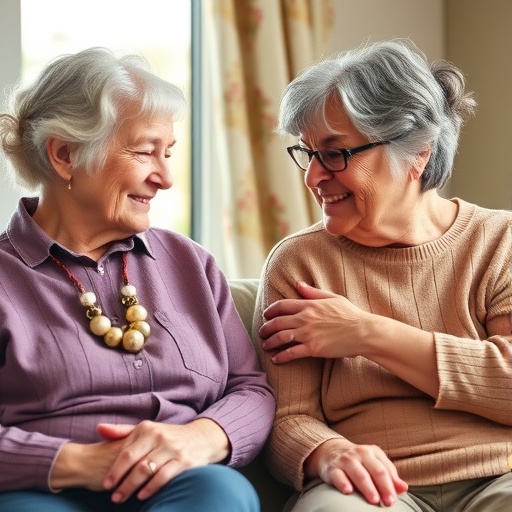
The act of caregiving, particularly among older adults, has increasingly come under scrutiny as researchers delve into its effects on mental and physical health. A recent study published in Ageing International by Fernández-Carro et al. aims to shed light on the profound impact that caregiving responsibilities can impose on senior caregivers. This comprehensive scoping review importantly aligns with a growing body of literature addressing the well-being of this often-overlooked demographic.
The research investigated various dimensions of caregiving, particularly how the broader aspects of health—both psychological and physical—are influenced by the experience of providing care to others. Caregiving is a multifaceted role that encompasses not only emotional support but also practical assistance to individuals who are elderly, disabled, or have chronic illnesses. The emotional burden of caregiving can lead to a variety of health issues, including anxiety, depression, and stress-related conditions, as well as exacerbating existing medical problems in caregivers.
In their findings, the authors revealed a dichotomy in the caregiving experience; while some caregivers reported personal fulfillment and enriched interpersonal connections stemming from their roles, many also experienced significant stressors. These contradicting experiences underline the complexity of caregiving as a lived experience. The review highlights that while caregiving can foster resilience and provide a sense of purpose, the associated demands can lead to emotional and physical deterioration, creating a paradox that researchers seek to unravel.
Numerous studies have reported that older adults providing care to family members or close friends often neglect their own health needs. The review emphasized that this neglect can exacerbate existing health problems or lead to new ones, contributing to a cycle of declining health among senior caregivers. It is imperative for healthcare providers and policymakers to consider the ramifications of this trend, as it not only affects the caregivers but also impacts the quality of care provided to those receiving assistance.
Additionally, the review illuminated several factors that contribute to whether caregiving enhances or diminishes health outcomes. Variables such as the intensity and duration of caregiving, the relationship to the care recipient, and the availability of social support all play critical roles. The clarification of these variables is essential for developing targeted support interventions for caregivers and ensuring that their well-being is prioritized within caregiving networks.
As the world continues to age, the demographic of older caregivers becomes increasingly significant. The synthesis of research findings presented in this scoping review provides a crucial backdrop for future inquiries. Understanding the balance between the positive and negative effects of caregiving is paramount, especially as societies strive toward developing inclusive support systems that cater to the needs of both caregivers and recipients of care.
The authors also noted the glaring gap in existing research relating to different cultural contexts and socioeconomic factors, underlining a need for diverse studies that encompass various populations. The one-size-fits-all approach often fails to capture the nuanced experiences faced by caregivers from different backgrounds. Diverse perspectives could enrich our understanding of caregiving dynamics and offer holistic solutions to support older caregivers across the globe.
Caregiving is often unrecognized in economic terms, despite its critical importance in the sustenance of healthcare systems. The review’s authors argue that recognizing the contributions of caregivers should extend beyond acknowledgment to tangible support measures. Economic considerations surrounding caregiving—such as potential income loss due to caregiving tasks—must be factored into policy discussions addressing older adults.
Furthermore, the mental health implications of caregiving cannot be overlooked. The review implies a pressing need to integrate mental health support into caregiving strategies for older adults. By framing caregiving within the context of mental well-being, interventions can become more holistic, addressing not only physical health but also emotional and psychological concerns that arise from caregiving dynamics.
The research team urges further exploration into the implementation of supportive measures such as respite care, counseling, and peer support networks. These interventions could significantly facilitate better health outcomes for older caregivers and create a healthier caregiving environment. Building more robust networks of support could contribute to reducing caregiver burden, leading to a ripple effect of positive benefits for both caregivers and care recipients.
The implications of this research extend far beyond the confines of individual health. By illuminating the critical intersections between caregiving, health outcomes, and social policy, Fernández-Carro et al. contribute to an evolving dialogue about aging populations. Their work serves as a clarion call for better understanding and addressing the complexities of caregiving, ultimately fostering a healthier society as a whole.
As debates surrounding elderly care become more prevalent in policy circles, the findings presented by the authors underscore the urgency of considering the health impacts of caregiving on older adults. The ongoing research in this area is paramount to developing targeted initiatives, which adequately appreciate the intricacies of caregiving across different societal landscapes.
In conclusion, the scoping review by Fernández-Carro et al. encapsulates the challenging yet rewarding nature of caregiving. Recognizing the dichotomic impact—both positive and negative—on older caregivers is a vital step toward promoting their health and well-being. As the global population ages, addressing these issues will remain crucial to nurturing the systems of care that sustain our communities.
Cite Scienmag News
Glenn Wilkins. (January 25, 2026). How Caregiving Affects the Health of Older Adults. Scienmag. https://scienmag.com/how-caregiving-affects-the-health-of-older-adults/
Glenn Wilkins. "How Caregiving Affects the Health of Older Adults." Scienmag, 25 January 2026, https://scienmag.com/how-caregiving-affects-the-health-of-older-adults/. Accessed 5 September 2026.
Glenn Wilkins. "How Caregiving Affects the Health of Older Adults." Scienmag. January 25, 2026. https://scienmag.com/how-caregiving-affects-the-health-of-older-adults/


