


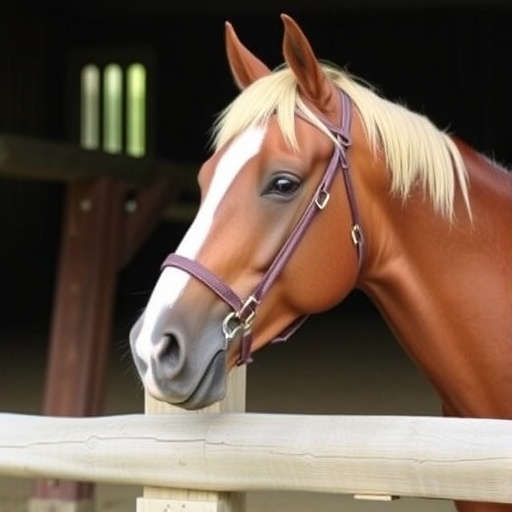
In recent years, there has been a rising trend within the realm of psychotherapy that incorporates nontraditional methods to enrich therapeutic practices. One particularly fascinating approach is the inclusion of horses in psychotherapy, a concept that may initially sound unconventional but is gaining traction among mental health professionals. This trend not only sheds light on the deep-seated human-animal connection but also opens avenues for therapeutic breakthroughs in treating anxiety, depression, and trauma-related disorders. The latest qualitative study conducted by Kogstad, Christiansen, and Ulberg delves into the reasons why therapists are increasingly counting horses as their co-therapists.
The therapeutic benefits of interacting with animals have been documented for decades, yet the specific role of horses remains underexplored. Horses, with their unique social structures and high emotional intelligence, serve as exceptional agents for therapeutic interventions. They provide an opportunity for clients to engage in non-verbal communication, which can be critical for those who struggle with traditional talk therapy. Their size and strength also evoke a sense of grounding and presence, making the emotional and psychological work feel more accessible and relatable to the client.
In the study by Kogstad and colleagues, therapists shared their personal experiences and perspectives on integrating horses into their therapeutic practices. Many reported that horses offer a mirror to human emotions. Clients often project their feelings onto the horses, which can lead to profound insights and breakthroughs. For example, a client dealing with trust issues may struggle to approach a horse, revealing underlying fears that can then be explored in a supportive environment. This reflective quality of horses serves as a catalyst for dialogue and understanding.
Moreover, the researchers found that incorporating horses into therapy sessions could significantly enhance the therapeutic alliance. The process often requires clients to participate actively, thus fostering a sense of agency and responsibility. One of the therapists noted that working with horses facilitates trust-building not just with the animal, but also within the therapeutic relationship. This added layer of trust is pivotal in creating a safe space for clients to explore their emotional landscapes.
Another exciting insight from the study is how horses help cultivate mindfulness among clients. Being around horses often demands presence, as these animals are highly attuned to their surroundings and the emotions of those around them. Clients are encouraged to engage in mindfulness practices, focusing on their immediate experiences and feelings rather than getting lost in their thoughts or anxieties about the future. This mindful engagement can lead to increased self-awareness and emotional regulation, equipping individuals with tools they can use outside the therapy setting.
Several therapists also mentioned the unique approach to body language that horses necessitate. Clients learn to read the non-verbal cues of the horse, which parallels the non-verbal communication that often occurs in human interactions. This activity can serve as a powerful learning experience for clients who may struggle with articulating their feelings or understanding social cues. By observing a horse’s reactions to their behavior, clients can gain insights into their emotional states and their interactions with others, bridging a gap often found in traditional psychotherapy.
Additionally, the outdoor setting in which equine therapy often takes place contributes to the healing process. The natural environment and fresh air can significantly reduce anxiety levels and stimulate a positive emotional state. Being outside also allows for more dynamic interactions between clients and horses, compared to traditional indoor therapy sessions. Nature has a way of enhancing mood and mental clarity, which can further deepen the therapeutic experience.
Equine therapy also holds great promise for various populations, especially those with histories of trauma. The study highlighted that therapists noted a marked improvement in emotional responses from clients who had experienced traumatic events when they interacted with horses. The gradual process of building trust with the animal can parallel the rebuilding of trust with themselves and others, creating a safe platform for healing. Several therapists recounted success stories of clients who, after interactions with horses, reported feeling more grounded and less overwhelmed by their emotions.
Despite the compelling insights gathered in this study, it is essential to acknowledge the limitations and potential challenges of integrating horses into psychotherapy. The accessibility of equine therapy can be a barrier—many practitioners may not have immediate access to horses, leading to disparities in treatment availability. Additionally, proper training and safety measures are crucial in ensuring that both clients and horses are protected throughout the therapeutic process. Ethical considerations regarding the welfare of the animals involved are paramount, making it essential for therapists to pursue specialized training in equine-assisted therapy.
The qualitative nature of the study reveals a rich tapestry of individual therapist experiences rather than quantifiable data. This approach presents a broader understanding of the therapists’ motivations and perceived effectiveness of horse integration. However, further research, especially quantitative studies, could lend additional weight to the efficacy of this therapeutic approach and potentially pave the way for more widespread acceptance in the mental health community.
The narrative surrounding horses in psychotherapy continues to evolve, as does the growing community of therapists championing this method. As interest broadens, training programs emphasizing horse interaction in therapeutic settings are likely to emerge, providing therapists with the confidence and expertise needed to integrate this innovative approach. Such developments could herald a new era of holistic and diverse therapy options, offering hope and healing to those who may feel disconnected from traditional treatment modalities.
In essence, the research conducted by Kogstad and colleagues offers valuable insights into the motivations and experiences of therapists who work with horses in psychotherapeutic contexts. With a focus on the deep emotional learning and therapeutic alliance that can be fostered through horse interaction, this study reinforces the idea that healing can come in various forms. As the therapeutic community continues to explore and embrace such novel methods, the potential impacts on clients’ mental health journeys may be profound, and the legacy of equine therapy will undoubtedly continue to unfold.
As the understanding of mental health deepens and diversifies, approaches that prioritize connection—whether between human and animal or therapist and client—will remain at the forefront of innovation in therapy. The relationship between horses and therapy is not just a trend; it’s a reminder that healing can emerge from unexpected partnerships and that perhaps, nature holds the key to some of our most complex emotional challenges.
Kogstad, N., Christiansen, S.E., Ulberg, R. et al. Therapists’ reasons for including horses into psychotherapy, a qualitative study.
BMC Complement Med Ther (2025). https://doi.org/10.1186/s12906-025-05185-2
Cite Scienmag News
Glenn Wilkins. (November 27, 2025). Horses in Therapy: Insights from Therapists’ Perspectives. Scienmag. https://scienmag.com/horses-in-therapy-insights-from-therapists-perspectives/
Glenn Wilkins. "Horses in Therapy: Insights from Therapists’ Perspectives." Scienmag, 27 November 2025, https://scienmag.com/horses-in-therapy-insights-from-therapists-perspectives/. Accessed 7 September 2026.
Glenn Wilkins. "Horses in Therapy: Insights from Therapists’ Perspectives." Scienmag. November 27, 2025. https://scienmag.com/horses-in-therapy-insights-from-therapists-perspectives/


