


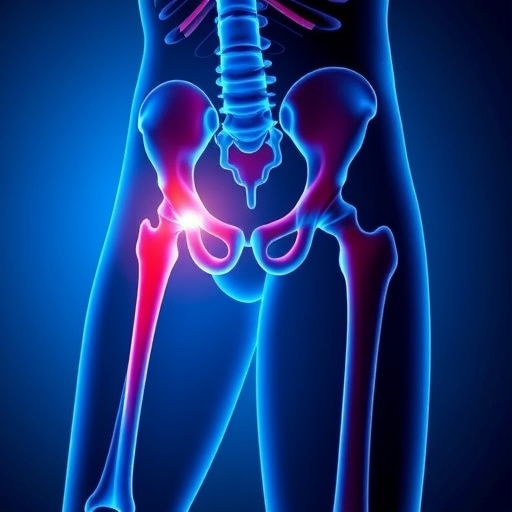
In an increasingly aging population, surgical interventions such as total hip arthroplasty (THA) have become vital for enhancing the quality of life among seniors suffering from debilitating hip-related ailments. A recent retrospective cohort study conducted by Nakao et al. provides pivotal insights into the ramifications of THA on post-surgery work resumption, satisfaction levels, and life purpose, particularly within the context of Japan. This comprehensive analysis emphasizes not only physical rehabilitation but also the socio-emotional dimensions of recovering from such significant surgeries.
The study meticulously tracked a cohort of patients who underwent THA, documenting their experiences and outcomes in the aftermath of the operation. By focusing on critical metrics like the return to work and overall satisfaction, the researchers aimed to shed light on the long-term effects of the surgery. This work reflects a growing acknowledgment in medical research regarding the interplay between surgical success and the psychological dimensions of patient recovery.
Returning to work is more than just resuming professional duties; it represents a vital component of personal identity, economic stability, and social interaction. According to Nakao and colleagues, the findings indicate that the majority of patients successfully returned to their workplaces after undergoing THA. This return not only reaffirms their role within society but also plays a crucial part in the psychological aspects of recovery, enabling patients to regain a sense of purpose and agency over their lives.
The research highlighted that the level of satisfaction among patients post-THA was significantly influenced by the success of their return to work. Those who could easily adapt back into their jobs reported higher satisfaction levels, illustrating the importance of occupational engagement in post-surgical life quality. This finding raises interesting questions about the rehabilitation protocols following surgical interventions. If enhanced support for patients during their transition back to work can improve satisfaction levels, it is worth considering systemic changes in rehabilitation practices.
Moreover, the study presents data demonstrating that the age at which patients undergo THA plays a role in their post-surgical outcomes. Younger patients tended to have more favorable outcomes concerning both their physical mobility and mental well-being, which in turn impacted their work resumption rates. This observation suggests a pressing need for tailored support strategies based on the demographic variables of patients undergoing THA.
Despite the positive findings surrounding work resumption, the authors noted some adverse experiences among individuals, particularly those who faced complications or longer recovery times. Such experiences underscored the importance of pre-operative counseling and realistic expectation setting for patients. Understanding the potential risks involved in THA may help individuals better prepare for their recovery journey, thus reducing anxiety and increasing long-term satisfaction with the surgery.
The social implications of this research extend beyond individual patients, affecting healthcare systems and workforces at large. A healthier, more active aging population contributes to economic productivity and can reduce the strain on health and social services. The study encourages policymakers to consider these benefits when framing laws and regulations that impact healthcare funding and workforce integration for older adults undergoing major surgeries.
Furthermore, the insights into life purpose post-THA carry profound implications for our understanding of patient care. As individuals navigate their recovery and return to pre-surgery lifestyles, the notion of “life purpose” emerges as an essential metric for assessing success. The interrelationship between physical recovery, psychological well-being, and life satisfaction illuminates the need for comprehensive care strategies that address both the medical and emotional needs of patients.
Ultimately, the retrospective cohort study by Nakao et al. underscores the vital intersection of health, work, and psychological well-being in the aftermath of total hip arthroplasty. By amplifying our understanding of these dynamics, healthcare stakeholders can better support patients in their journey from surgery to satisfaction, ensuring they not only regain physical mobility but also achieve a fulfilling and purposeful life.
The implications of this work extend into future research, as questions arise about the role of rehabilitation technology and community support systems in facilitating smoother transitions back into the workplace. Continued exploration on this subject could yield innovative strategies for enhancing the recovery experience and fostering environments where older adults thrive post-surgery.
This retrospective study serves as a clarion call for a renewed focus on the holistic care of hip arthroplasty patients, challenging existing paradigms that prioritize clinical outcomes over personal satisfaction. As the landscape of geriatric care evolves, the integration of socio-emotional wellness into surgical recovery practices could pave the way for healthier, happier aging.
In conclusion, Nakao et al.’s research stands as an essential contribution to our understanding of total hip arthroplasty outcomes. As we strive to improve the surgical and rehabilitation processes for older adults, the pursuit of not only physical recovery but also emotional and psychological health will remain paramount. The journey post-THA is multifaceted, and the lessons learned from this study could significantly enhance the experiences and lives of many across the globe.
Nakao, Y., Hamai, S., Yamate, S. et al. Return to work following total hip arthroplasty: a Japanese retrospective cohort study highlighting the impact on satisfaction and life purpose. J Artif Organs (2025). https://doi.org/10.1007/s10047-025-01522-x
Cite Scienmag News
Ophelia Keating. (August 29, 2025). Hip Arthroplasty: Boosting Life Satisfaction Post-Surgery. Scienmag. https://scienmag.com/hip-arthroplasty-boosting-life-satisfaction-post-surgery/
Ophelia Keating. "Hip Arthroplasty: Boosting Life Satisfaction Post-Surgery." Scienmag, 29 August 2025, https://scienmag.com/hip-arthroplasty-boosting-life-satisfaction-post-surgery/. Accessed 4 September 2026.
Ophelia Keating. "Hip Arthroplasty: Boosting Life Satisfaction Post-Surgery." Scienmag. August 29, 2025. https://scienmag.com/hip-arthroplasty-boosting-life-satisfaction-post-surgery/


