

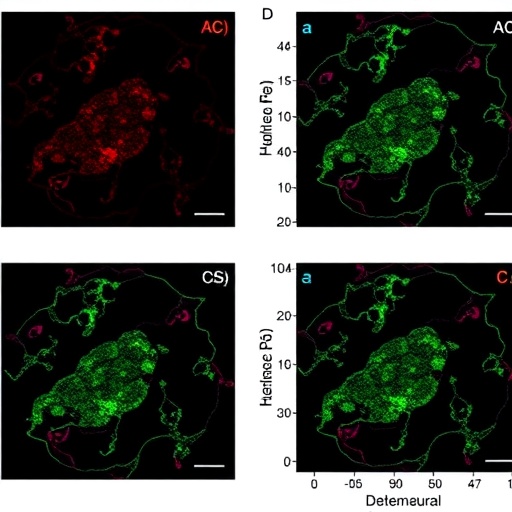
In recent years, cancer research has made significant strides in understanding the molecular mechanisms that drive tumorigenesis, particularly in aggressive forms of cancer like hepatocellular carcinoma (HCC). A groundbreaking study sheds light on the role of histone deacetylase 2 (HDAC2) in chromatin remodeling and its implications for HCC progression. This intricate interplay between epigenetic modifications and cellular pathways underscores the complexity of cancer biology and points to potential therapeutic targets for this deadly disease.
The research conducted by Yin and colleagues explores how HDAC2 orchestrates changes in chromatin architecture that facilitate the progression of hepatocellular carcinoma. This form of liver cancer is notorious for its poor prognosis and high mortality rates, making the quest for effective treatment strategies all the more urgent. By employing an integrative analysis of computational pathology alongside multi-transcriptomics, the researchers have uncovered novel pathways influenced by HDAC2 that may contribute to the malignancy of liver cancer cells.
Chromatin remodeling is a critical process that dictates gene expression by altering chromatin structure. HDAC2, as a key player in this process, is known to remove acetyl groups from histones, leading to a more compact and transcriptionally repressed chromatin state. The study’s findings indicate that elevated levels of HDAC2 are associated with increased tumor cell proliferation and metastasis in HCC. This suggests that HDAC2 does not merely serve as a biomarker for liver cancer but may actively drive its progression through chromatin modification.
In addition to assessing the role of HDAC2, the researchers employed advanced computational pathology techniques to analyze tissue samples from HCC patients. By integrating diverse transcriptomic data, they identified key genes and pathways that are dysregulated in the presence of high HDAC2 levels. These findings provide a comprehensive overview of the molecular landscape of HCC, revealing critical insights into how chromatin remodeling facilitates tumor growth and resistance to therapy.
The implications of these findings extend beyond basic cancer biology. By understanding the regulatory role of HDAC2 in HCC, the research opens doors to potential therapeutic interventions. Inhibitors of HDAC2 could be developed or repurposed as a means to disrupt the chromatin remodeling processes that contribute to cancer progression. This aligns with the growing trend of targeting epigenetic modifiers in cancer therapy, as they represent a promising avenue for counteracting the aggressive nature of tumors like HCC.
Furthermore, the study highlights the potential of multi-transcriptomics to unravel the complex interplay between various molecular pathways in cancer. This approach allows for a more nuanced understanding of tumor biology, moving beyond single-gene analyses to capture the dynamic interactions between multiple genes and regulatory networks. This holistic perspective is crucial for developing effective, personalized cancer treatment strategies that address the underlying causes of tumorigenesis.
As the study progresses, it will be essential to validate the clinical relevance of HDAC2 as a therapeutic target in HCC. Future clinical trials will help determine whether HDAC2 inhibitors can translate basic research findings into meaningful benefits for patients. Given the dire need for effective liver cancer treatments, harnessing the power of epigenetic regulation could be a game-changer in combating this formidable disease.
In summary, the research conducted by Yin et al. marks a significant advancement in our understanding of hepatocellular carcinoma. By elucidating the role of HDAC2 in chromatin remodeling and tumor progression, this study not only enhances our knowledge of liver cancer biology but also lays the groundwork for innovative therapeutic strategies. The integration of computational pathology with transcriptomics demonstrates the potential of these technologies to revolutionize cancer research and treatment, paving the way for more effective interventions against one of the deadliest forms of cancer.
As researchers continue to explore the complexities of cancer biology, studies like this serve as a reminder of the importance of collaborative, interdisciplinary approaches in the fight against cancer. The ongoing investigation into HDAC2’s role in HCC may ultimately lead to breakthroughs that transform the landscape of cancer therapy, offering hope to those affected by this devastating disease.
In conclusion, the findings presented by Yin and colleagues underscore the critical necessity of continued research into the molecular mechanisms that underpin cancer progression. The interplay between epigenetics and chromatin dynamics provides a fertile ground for the discovery of novel therapeutic targets and strategies. As we move forward, the integration of multi-faceted research methods will be essential in illuminating the intricacies of hepatocellular carcinoma and ultimately improving patient outcomes.
Subject of Research: The role of HDAC2 in chromatin remodeling and progression of hepatocellular carcinoma.
Article Title: HDAC2-mediated chromatin remodeling drives hepatocellular carcinoma progression: an integrative analysis of computational pathology and multi-transcriptomics.
Article References:
Yin, S., Zhou, X., Jiang, L. et al. HDAC2-mediated chromatin remodeling drives hepatocellular carcinoma progression: an integrative analysis of computational pathology and multi-transcriptomics.
J Transl Med (2025). https://doi.org/10.1186/s12967-025-07517-9
Image Credits: AI Generated
DOI: 10.1186/s12967-025-07517-9
Keywords: HDAC2, hepatocellular carcinoma, chromatin remodeling, transcriptomics, epigenetics, cancer therapy.


