

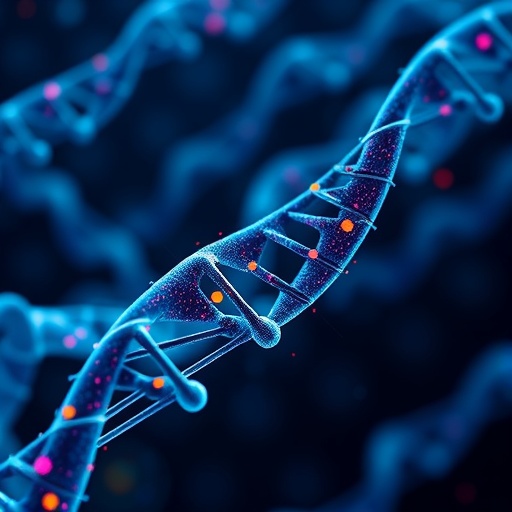
The non-coding genome, once widely dismissed as “junk DNA,” has risen to prominence as a central regulator of gene expression and an indispensable component in the emerging understanding of human biology and disease mechanisms. Since the revolutionary Human Genome Project (HGP) mapped the human DNA sequence over two decades ago, scientific focus has shifted dramatically towards the vast, non-protein-coding regions comprising approximately 98% of our genetic material. Now recognized as a complex regulatory landscape, these non-coding sequences orchestrate cellular behavior, influence development, and are implicated in the etiology of numerous diseases, including cancer and neurodegeneration.
For many years, non-coding DNA was perceived as evolutionary leftovers with no discernible function. This perception limited genomic research primarily to protein-coding genes, which account for a mere 2% of the genome. However, integrative advances in multi-omics technologies—spanning genomics, epigenomics, transcriptomics, and proteomics—have reshaped this narrative. It is now understood that non-coding regions harbor a multitude of regulatory elements such as enhancers, silencers, promoters, insulators, and non-coding RNAs, all of which contribute dynamically to the precise control of gene transcription. These elements are embedded within the intricate three-dimensional architecture of chromatin, facilitating long-distance interactions essential for the spatial and temporal regulation of gene activity.
The advent of next-generation sequencing (NGS) technologies has been pivotal in decoding this non-coding regulatory code. High-resolution assays including Chromatin Immunoprecipitation sequencing (ChIP-seq) have mapped transcription factor binding sites across the genome, revealing hotspots of regulatory activity within putative enhancer and promoter elements. Assays for Transposase-Accessible Chromatin using sequencing (ATAC-seq) have further illuminated regions of open chromatin where regulatory proteins access DNA. Moreover, RNA sequencing (RNA-seq) techniques have identified diverse classes of non-coding RNAs—such as microRNAs, long non-coding RNAs (lncRNAs), and circular RNAs—that mediate regulatory roles at transcriptional and post-transcriptional levels.
Complementing these biochemical strategies, chromosome conformation capture methodologies such as 3C, 4C, 5C, and Hi-C have revolutionized the understanding of chromatin topology. These techniques unravel the three-dimensional folding of the genome, exposing how enhancers physically contact promoter regions despite linear genomic distance, thereby modulating gene expression in a context-dependent manner. The spatial organization of chromatin domains and topologically associating domains (TADs) has emerged as a critical layer of gene regulation, often disrupted in pathological states.
Crucially, mutations and variations within non-coding regions have been implicated in a spectrum of diseases, challenging the traditional protein-centric model of genetic pathology. Genome-wide association studies (GWAS) have identified that the majority of disease-linked single nucleotide polymorphisms (SNPs) reside within non-coding sequences, frequently overlapping regulatory elements. For example, mutations affecting enhancer sequences that regulate the SNCA gene disrupt its expression patterns and are strongly correlated with Parkinson’s disease. Similarly, recurrent mutations in the promoter region of the TERT gene, which encodes the telomerase reverse transcriptase, have been linked to oncogenic transformations in various cancers, underscoring the pathogenic potential encoded in these non-coding domains.
These insights underline a fundamental realization: non-coding DNA is not mere biological noise but instead serves as the genomic control panel dictating cellular identity and fate. The perturbation of regulatory elements determines gene dosage, timing, and cell-type specificity, offering explanatory models for genetic disorders previously unexplained by protein-coding mutations alone. This broadened perspective is reshaping genomics and molecular medicine, fueling efforts to transmute genomic data into precise diagnostic and therapeutic approaches.
The ongoing challenge lies in annotating the functional landscape of non-coding sequences. Comprehensive projects such as ENCODE and Roadmap Epigenomics have systematically cataloged regulatory motifs across diverse cell types and developmental stages. Coupled with computational advances in machine learning and deep learning, these data sets allow predictive modeling of enhancer–promoter networks and the identification of regulatory variants with high pathogenic potential. These integrative frameworks are essential for interpreting non-coding variation found in patient genomes, a prerequisite for leveraging personalized medicine.
The clinical relevance of the non-coding genome is rapidly emerging. Therapeutic strategies targeting non-coding elements include the design of synthetic transcription factors, CRISPR-based epigenome editing, and antisense oligonucleotides aimed at modulating non-coding RNA function. These frontier technologies open avenues for interventions that correct aberrant gene regulation at its root, rather than addressing downstream protein dysfunction. This paradigm shift promises breakthroughs across oncology, neurodegenerative diseases, autoimmune disorders, and beyond.
Moreover, insights derived from non-coding genome research are driving innovations in biomarker discovery. Regulatory RNA molecules circulating in bodily fluids serve as minimally invasive indicators of disease states and therapeutic responses. Enhancer activity profiles and chromatin accessibility signatures also hold diagnostic potential, capturing dynamic changes reflective of pathology.
As the field advances, it is becoming clear that an integrated understanding of the genome’s non-coding portion is indispensable to unlock the complexity of human biology and disease. The initial revelations precipitated by the Human Genome Project have only scratched the surface; subsequent investigations into the dark matter of the genome are unveiling an intricate regulatory circuitry with profound implications for genomic stability, cell differentiation, and organismal health.
In essence, the transformation from dismissing non-coding DNA as redundant sequences to appreciating its profound regulatory significance epitomizes the evolution of genomic science into an era of precision medicine. Targeting regulatory elements within the non-coding genome offers unprecedented opportunities to develop highly specific, mechanism-driven therapies tailor-made for individual genetic architectures. This holistic approach is poised to revolutionize diagnosis, prognosis, and treatment paradigms, ultimately fulfilling the promise of the genomic revolution for human health.
Subject of Research: Regulatory functions of the non-coding genome and its implications in human disease and precision medicine.
Article Title: Unveiling the regulatory potential of the non-coding genome: Insights from the human genome project to precision medicine
News Publication Date: 2025
Image Credits: Genes & Diseases
Keywords: Cancer genetics


