

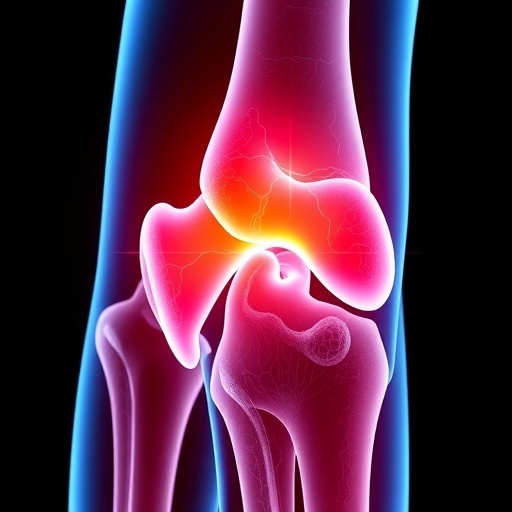
Recent advances in medical research have illuminated complex biological processes that underpin various diseases, bringing forth novel therapeutic targets for conditions that afflict millions. Among these is osteoarthritis, a degenerative joint disease that has long posed significant treatment challenges. A groundbreaking study by Zhang et al. offers an innovative perspective on managing this debilitating condition by exploring the intricate relationship between mitochondrial metabolites, mitochondrial-derived vesicles (MDVs), and mitochondrial extracellular vesicles (MitoEVs). This research marks a pivotal exploration into a previously underappreciated axis that may hold the key to advancing osteoarthritis treatment.
The study emphasizes that mitochondrial health is not merely a metabolic issue; it plays a fundamental role in cellular signaling and tissue homeostasis. As the cell’s powerhouses, mitochondria are vital in generating energy in the form of adenosine triphosphate (ATP). However, when mitochondrial function is compromised, it can lead to an array of problems, including oxidative stress, inflammation, and increased production of harmful metabolites. These factors are believed to contribute significantly to the progression of osteoarthritis, underscoring the relevance of mitochondrial health in improving joint function and longevity.
Zhang and colleagues delve into the dynamics of mitochondrial metabolites, presenting evidence that suggests these compounds influence a range of cellular activities, including apoptosis and inflammation. By measuring the levels of specific mitochondrial metabolites in osteoarthritic tissue, the researchers found significant deviations from normal levels. This discovery prompts a re-evaluation of how these metabolites could serve as potential biomarkers for early osteoarthritis diagnosis or progression, leading to interventions that might alter the course of the disease.
The researchers expertly navigate the realm of MDVs and MitoEVs, highlighting their emerging roles in cell-to-cell communication and how they operate as vehicles for transporting mitochondrial components to neighboring cells. The identification of these vesicles adds another layer to our understanding of osteoarthritis pathophysiology. By mediating the transfer of bioactive molecules, MDVs and MitoEVs have the potential to influence inflammation and tissue repair mechanisms in osteoarthritis patients, opening avenues for innovative therapeutic approaches targeting these vesicles.
The investigation presented in the paper raises compelling questions about the therapeutic manipulation of the mitochondrial axis. Could it be possible to enhance MDV and MitoEV production therapeutically? If researchers can drive an increase in these vesicles, it might create a favorable environment for joint health and regeneration. This hypothesis pushes the boundaries of conventional osteoarthritis treatments, which have primarily focused on symptom management rather than addressing the underlying biological processes.
In conjunction with these discoveries, the study also analyzes various potential therapeutic interventions aimed at modulating mitochondrial function and promoting healthy MDV and MitoEV production. Techniques such as mitochondrial biogenesis stimulation, dietary modifications, and pharmacological agents targeted to enhance mitochondrial function are discussed as potential strategies. These approaches could shift the paradigm in osteoarthritis management from merely alleviating pain to fostering long-term joint health and repair.
The implications of this research extend beyond osteoarthritis, raising questions about the role of mitochondrial metabolites and extracellular vesicles in other degenerative diseases. The cross-disciplinary nature of this research can inspire new investigative approaches into diseases such as Alzheimer’s, cardiovascular disorders, and even certain cancers, where mitochondrial dysfunction has been implicated. The versatility of MitoEVs and their potential systemic effects underscore the need for thorough investigations that might reveal broader applications across various health conditions.
Furthermore, the socio-economic impact of osteoarthritis is profound, affecting the quality of life of millions worldwide and placing a significant burden on healthcare systems. By targeting the mitochondrial axis as a means to manage osteoarthritis more effectively, we stand on the brink of a transformative shift in how we approach treatment for this challenging condition. The potential benefits of such advancements go beyond the individual, promising to relieve societal burdens encompassing healthcare costs, lost productivity, and diminished quality of life due to chronic pain.
While the findings by Zhang et al. are promising, additional research is essential to translate these discoveries into clinical practice. Controlled trials will be necessary to assess the efficacy and safety of potential therapies arising from this research, particularly as we explore agents that can modulate mitochondrial dynamics in the context of osteoarthritis. Each step from bench to bedside represents not just a scientific challenge but also profound ethical and logistical considerations that need addressing.
Moreover, a critical takeaway from this study is the importance of multidisciplinary collaboration in exploring complex diseases like osteoarthritis. The integration of molecular biology, pharmacology, and clinical research practices will be vital to elucidating the mechanisms at play within the mitochondrial axis, fostering a holistic approach to understanding and treating this multifaceted disease.
In conclusion, the work published by Zhang and researchers marks a seminal contribution to osteoarthritis management, offering a fresh perspective rooted in mitochondrial dynamics. The pathways linking mitochondrial health to joint function and inflammation open unprecedented therapeutic possibilities and beckon further exploration into this intricate biological landscape. The research not only adds to the scientific discourse but also paves the way for a future where osteoarthritis, once deemed intractable, may be effectively managed through innovative strategies that target its biological foundations.
As we continue to navigate the complexities of osteoarthritis, it is imperative that we remain hopeful and engaged with ongoing research that pushes the envelope in understanding and treating this common yet often misunderstood joint disease. The future of osteoarthritis management could very well hinge on our ability to appreciate and manipulate the nuances of mitochondrial health and the intricate pathways that contribute to joint integrity.
By harnessing the knowledge gained from studies such as this, we stand poised to revolutionize how we approach not just osteoarthritis but a myriad of diseases that involve mitochondrial dysfunction. It is a critical moment in medical science—a juncture where the fusion of clinical needs with groundbreaking research could potentially reshape treatment paradigms for years to come.
Subject of Research: Mitochondrial metabolite-dynamics-MDVs-MitoEVs axis in osteoarthritis management.
Article Title: Targeting the mitochondrial metabolite-dynamics-MDVs-MitoEVs axis: a new frontier in osteoarthritis management.
Article References:
Zhang, T., Zhang, H., Chen, X. et al. Targeting the mitochondrial metabolite-dynamics-MDVs-MitoEVs axis: a new frontier in osteoarthritis management.
J Transl Med (2026). https://doi.org/10.1186/s12967-025-07615-8
Image Credits: AI Generated
DOI: 10.1186/s12967-025-07615-8
Keywords: osteoarthritis, mitochondrial metabolites, MDVs, MitoEVs, cell communication.


