


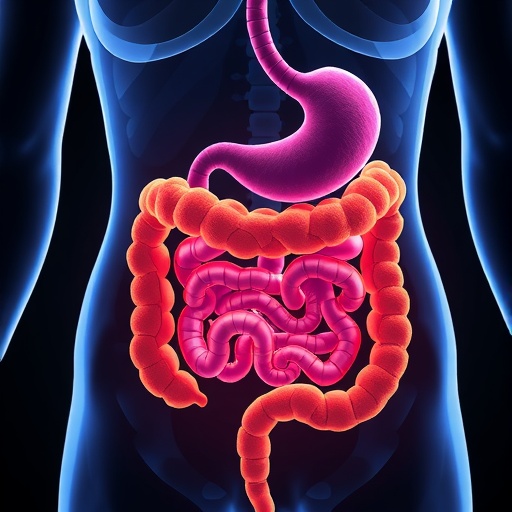
A groundbreaking study from the University of Gothenburg reveals a compelling link between post-bariatric surgery gut microbiota alterations and sustained metabolic improvements in type 2 diabetes, profoundly shifting our understanding of diabetes remission mechanics after surgical intervention. Published recently in Nature Metabolism, this research unpacks the nuanced ways in which changes in the gut’s bacterial ecosystem—not just weight loss—drive enhanced insulin secretion and glucose regulation, underscoring the gut microbiome’s pivotal role in metabolic health restoration.
Bariatric surgery, encompassing procedures such as Roux-en-Y gastric bypass and sleeve gastrectomy, has been a beacon of hope for individuals grappling with obesity and type 2 diabetes by facilitating significant weight loss and metabolic benefits. Yet, patient outcomes post-surgery often show dramatic variability, a phenomenon that this study attributes partly to how each patient’s gut microbiome adapts. By deploying high-resolution metagenomic sequencing, researchers mapped the dynamic microbial shifts and linked them to glycemic control trajectories over an extended period reaching five years.
This investigation highlights an intricate reshaping of the gut ecosystem following surgery. Patients who achieved sustained diabetes remission exhibited remarkable increases in microbial gene richness and enhanced fermentative functionality, particularly an increased capacity to produce butyric acid—a short-chain fatty acid known to fortify gut barrier function and modulate immune response. These microbial metabolic signatures correlate strongly with improvements in endogenous insulin release and systemic blood sugar management, illustrating a causative relationship beyond mere caloric deficit or hormonal change induced by surgery.
The ability of bariatric surgery to foster microbial diversity appears to be a key facilitator of metabolic recovery. Dr. Valentina Tremaroli, a prominent microbiologist at the University of Gothenburg, emphasizes that the remodeling of the gut microbial community is far from uniform. Instead, the adaptive changes in bacterial population structure and gene expression pathways reflect a complex ecological balancing act, where enhanced microbial richness serves as a biomarker and likely a mechanistic driver of improved metabolic health post-surgery.
Crucially, the study transcends descriptive microbial profiling by incorporating integrative data analyses that identify specific microbial genes and metabolic pathways predicting diabetes remission. Lisa Olsson, a bioinformatician involved in the research, notes that these findings pave the way for precision medicine frameworks that could harness microbial gene signatures to tailor interventions, predict patient response, and perhaps even engineer microbial communities that mimic the beneficial effects of bariatric surgery.
While both gastric bypass and sleeve gastrectomy induce beneficial microbial shifts, their impacts on the gut microbiome differ in consistency and individuality. Gastric bypass typically induces more uniform and predictable changes across patients, whereas sleeve gastrectomy triggers a more individualized microbiome response, reflecting interpatient variability in microbial ecosystem dynamics. This divergence emphasizes the necessity to consider surgical modality and personalized microbial adaptations when predicting metabolic outcomes.
Perhaps most provocatively, the data support the hypothesis that gut bacteria are not passive passengers on the journey to diabetes remission—they are active contributors shaping host metabolism. Fredrik Bäckhed, a professor and senior author of the study, suggests that the microbiome’s active involvement means future metabolic therapies could leverage microbial modification through diet, prebiotics, probiotics, or targeted microbiome editing, potentially offering non-surgical pathways to mimic or enhance surgical benefits.
This discovery carries profound implications for therapeutic approaches to type 2 diabetes and obesity. By elucidating the connections between gut microbial ecology and host metabolic status, researchers envision a future where modulation of the gut microbiome could be a frontline therapeutic target, synergizing with or even supplanting current interventions based on surgery or pharmacology. Such strategies may enable bespoke microbiome engineering to induce or sustain remission in patients otherwise refractory to treatment.
Moreover, the robust metagenomic techniques employed in this study demonstrate the power of modern molecular tools to deepen our comprehension of host-microbe interactions. This knowledge not only expands the fundamental biological understanding of metabolic diseases but also offers novel biomarkers to monitor patient progress and stratify treatment response, moving clinical practice closer to personalized medicine tailored to the microbial signatures within each individual.
Additionally, the study’s longitudinal design, capturing gut microbiota changes and metabolic health markers over several years post-surgery, provides rare and valuable insights into the durability of microbiome-mediated metabolic improvements. This long-term perspective corroborates the notion that microbiome restructuring is a sustained and dynamic process—essential for ongoing diabetes remission rather than a transient phenomenon limited to the immediate postoperative period.
In sum, the University of Gothenburg’s research uncovers a critical and previously underappreciated axis linking gut microbial diversity and functional potential to reliable diabetes remission following bariatric surgery. It calls for a reevaluation of current diabetes treatment paradigms to integrate microbial ecology explicitly and inspires innovative clinical strategies leveraging the gut microbiome to combat this pervasive global health challenge.
Cite Scienmag News
Morgan Morrow. (May 7, 2026). Gut Microbiota Influences Metabolic Health Outcomes Following Bariatric Surgery. Scienmag. https://scienmag.com/gut-microbiota-influences-metabolic-health-outcomes-following-bariatric-surgery/
Morgan Morrow. "Gut Microbiota Influences Metabolic Health Outcomes Following Bariatric Surgery." Scienmag, 7 May 2026, https://scienmag.com/gut-microbiota-influences-metabolic-health-outcomes-following-bariatric-surgery/. Accessed 5 September 2026.
Morgan Morrow. "Gut Microbiota Influences Metabolic Health Outcomes Following Bariatric Surgery." Scienmag. May 7, 2026. https://scienmag.com/gut-microbiota-influences-metabolic-health-outcomes-following-bariatric-surgery/


