


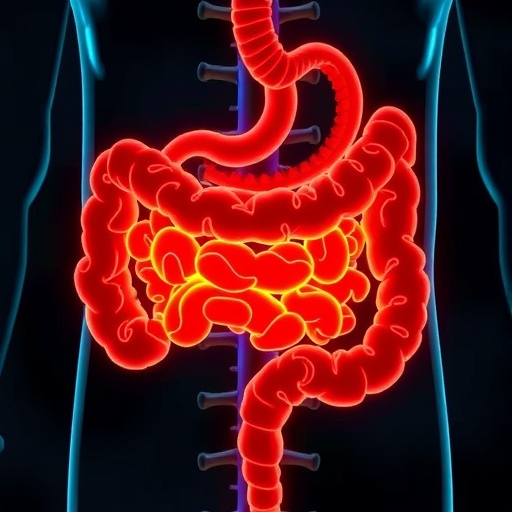
In a groundbreaking revelation in the fight against Alzheimer’s disease, a team of researchers led by Li, Wang, Zhang, and colleagues has unearthed a fascinating connection between gut microbiota, a cholesterol metabolite, and the neuroprotective effects of capsaicin, the compound that gives chili peppers their heat. Published in Nature Communications in 2026, their study provides compelling evidence that gut microbial metabolism of 24-hydroxycholesterol—a derivative of cholesterol processed in the brain—is a crucial mediator of capsaicin’s ability to alleviate Alzheimer’s-like pathology in mice. This discovery not only broadens our understanding of the gut-brain axis but also pioneers novel therapeutic angles for neurodegenerative disorders that affect millions worldwide.
Alzheimer’s disease, the most common form of dementia, is characterized by progressive cognitive decline and pathological hallmarks such as amyloid-beta plaques and neurofibrillary tangles. A central challenge in combating this disease lies in deciphering the intricate biochemical and cellular cascades that underlie neuronal deterioration. Recent years have uncovered that beyond the brain itself, systemic factors—particularly gut microbiota—play profound roles in modulating neuroinflammation and neurodegeneration. The new study deftly harnesses this knowledge, spotlighting how capsaicin can influence brain health indirectly via the gut ecosystem.
Capsaicin’s role in health has been extensively studied in metabolic and cardiovascular contexts, yet its neuroprotective properties are only now coming to light with the identification of intermediary molecular players such as 24-hydroxycholesterol. This oxysterol is a brain-derived metabolite critical for maintaining cholesterol homeostasis in neuronal membranes, implicated in synaptic function and neurogenesis. The research illustrates how capsaicin administration remarkably enhances 24-hydroxycholesterol metabolism in a gut microbiota-dependent manner, thereby exerting significant ameliorative effects on Alzheimer’s-like symptoms in experimental models.
To dissect this intricate relationship, the researchers employed a well-established mouse model that replicates core Alzheimer’s disease features, including cognitive deficits and amyloid deposition. Administration of dietary capsaicin led to marked improvements in spatial memory and learning performance, suggesting a functional restoration alongside biochemical changes. The team’s comprehensive approach included metagenomic sequencing to analyze shifts in gut microbial composition, which uncovered key bacterial taxa stimulated by capsaicin that are capable of modulating oxysterol metabolism.
One of the pivotal findings was that capsaicin-induced changes in gut microbiota enhance enzymes responsible for converting cholesterol to 24-hydroxycholesterol, which then traffics from the periphery back into the central nervous system. This mechanism underscores a bidirectional communication channel where the microbiome doesn’t merely reflect disease states but actively participates in metabolic processes critical for brain integrity. Notably, depleting gut bacteria through antibiotics abolished capsaicin’s beneficial effects, firmly establishing the microbiome’s indispensable role in this pathway.
The implications of these insights extend far beyond Alzheimer’s disease. They introduce the concept that dietary components can be strategically designed or selected to harness specific microbial metabolic potentials to influence neurodegeneration and cognitive resilience. The study meticulously elucidates the molecular underpinnings by profiling gene expression changes in both hepatic and cerebral tissues, revealing how enhanced 24-hydroxycholesterol production can modulate neuroinflammatory pathways and reduce amyloidogenic processing.
Moreover, the researchers highlight the involvement of nuclear receptors, particularly liver X receptors (LXRs), that respond to oxysterol ligands such as 24-hydroxycholesterol. Activation of LXRs leads to upregulation of genes involved in cholesterol efflux and anti-inflammatory responses, mechanisms that counteract Alzheimer’s pathology. This axis delineates a novel therapeutic target corridor that could be exploited pharmacologically or via dietary interventions incorporating capsaicin or analogous compounds.
Intriguingly, the study also reports alterations in microglial phenotypes, the brain’s resident immune cells, following capsaicin treatment. Enhanced 24-hydroxycholesterol appears to skew microglia towards a neuroprotective state, reducing pro-inflammatory cytokine release and promoting amyloid clearance. This immunomodulatory effect offers an additional layer of neuroprotection and aligns with accumulating evidence positioning immune regulation as a cornerstone of effective Alzheimer’s treatments.
Throughout the investigation, advanced imaging techniques, including multiphoton microscopy, were utilized to monitor amyloid plaque dynamics in vivo, demonstrating that capsaicin not only prevents new deposits but also facilitates the clearance of preexisting amyloid aggregates. These findings provide visual confirmation of the molecular and behavioral improvements observed, granting robust validation of the therapeutic potential inherent in manipulating gut microbiota-dependent oxysterol metabolism.
Given capsaicin’s widespread dietary presence and generally favorable safety profile, this research opens exciting avenues for preventive strategies against Alzheimer’s and potentially other neurodegenerative disorders. However, the authors caution that human microbiomes are highly individualized and that translating these findings will require careful clinical investigations to tailor interventions to specific microbial signatures and metabolic states.
The study’s intricate methodology, combining neurobiology, microbiology, genomics, and metabolomics, sets a gold standard for future integrative research in brain-gut interactions. Additionally, the team explored the temporal dynamics of 24-hydroxycholesterol fluctuations post-capsaicin administration, observing that sustained metabolite elevation correlates with prolonged cognitive benefits, thus emphasizing the importance of consistent dietary habits or supplementation protocols.
Furthermore, the paper delves into potential cross-talk between gut-derived metabolites and peripheral immune cells, positing that systemic immune modulation might complement central nervous system changes to produce holistic neuroprotection. The authors advocate for the incorporation of multi-omics datasets in future studies to unravel these complex connections more fully.
In summary, this pioneering study illuminates a path forward in Alzheimer’s research by unraveling how capsaicin harnesses gut microbiota to modulate 24-hydroxycholesterol metabolism, ultimately triggering neuroprotective cascades that combat disease pathology. This nexus of diet, microbiota, metabolism, and brain health represents a paradigm shift, promising innovative and accessible preventive and therapeutic strategies for a condition that has long eluded effective treatment.
With further exploration and clinical validation, these findings could markedly reshape dietary recommendations and supplement formulations aimed at neurodegenerative disease prevention. Harnessing the power of natural compounds like capsaicin in concert with the microbiome’s metabolic capacities sets a precedent for multifaceted approaches to brain health, potentially reducing the enormous global burden of Alzheimer’s disease and related dementias.
Cite Scienmag News
Cassandra Pierce. (February 3, 2026). Gut Microbiota and Capsaicin Ease Alzheimer’s Symptoms. Scienmag. https://scienmag.com/gut-microbiota-and-capsaicin-ease-alzheimers-symptoms/
Cassandra Pierce. "Gut Microbiota and Capsaicin Ease Alzheimer’s Symptoms." Scienmag, 3 February 2026, https://scienmag.com/gut-microbiota-and-capsaicin-ease-alzheimers-symptoms/. Accessed 6 September 2026.
Cassandra Pierce. "Gut Microbiota and Capsaicin Ease Alzheimer’s Symptoms." Scienmag. February 3, 2026. https://scienmag.com/gut-microbiota-and-capsaicin-ease-alzheimers-symptoms/


