

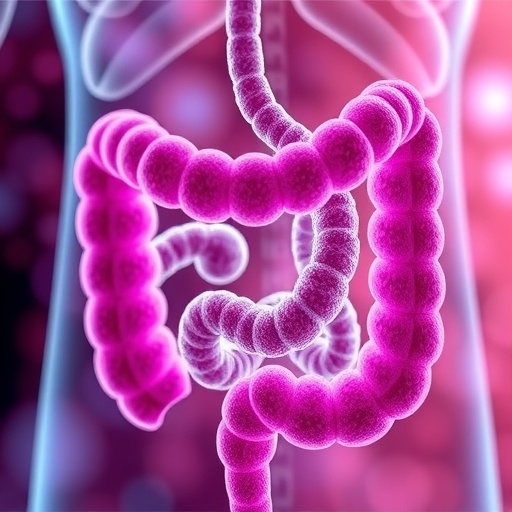
In a groundbreaking discovery poised to revolutionize mucosal vaccine development, researchers from POSTECH and ImmunoBiome in Korea have unveiled a novel mechanism by which butyrate, a microbial metabolite produced by gut commensals, potentiates immune responses. This study elucidates how butyrate enhances the activity of T follicular helper (Tfh) cells, promoting immunoglobulin A (IgA) antibody production at mucosal surfaces and thereby significantly boosting mucosal vaccine efficacy. The findings were published recently in the prestigious journal Microbiome.
Mucosal vaccines represent the frontier of next-generation vaccination strategies owing to their ability to induce immunity directly at infection portals such as the gastrointestinal and respiratory tracts. Unlike traditional vaccines administered intramuscularly, mucosal vaccines offer the advantages of non-invasive delivery and localized immune activation. However, the development of efficacious mucosal vaccines has long been impeded by complex physiological barriers. Oral vaccine antigens, for instance, must withstand enzymatic degradation, penetrate viscous mucus layers, and evade induction of immune tolerance in the gut’s inherently suppressive environment. These hurdles necessitate the use of high antigen doses and strong adjuvants, thereby increasing the costs and potential side effects.
The recent study puts forth a compelling solution to these obstacles by harnessing the gut microbiota’s metabolic byproducts as natural adjuvants. Butyrate, a short-chain fatty acid generated from dietary fiber fermentation by the gut flora, is shown to be an instrumental molecule in orchestrating mucosal immune reinforcement. This work delineates an intricate microbiota-metabolite-immune axis whereby butyrate acts directly on Tfh cells, a specialized subset of CD4+ helper T cells pivotal to germinal center formation and high-affinity antibody generation. The axis delineated follows the pathway: gut microbiota produces butyrate → butyrate augments Tfh cell differentiation and function → Tfh cells support IgA antibody synthesis by B cells → enhanced mucosal pathogen defense.
Fundamental to the study was the identification of Peyer’s patch-derived Tfh cells as dominant drivers of IgA responses in the small intestine, far surpassing the efficacy of their splenic counterparts in stimulating IgA production. Experimental intervention using the antibiotic neomycin to deplete select gut bacteria resulted in marked declines in both fecal IgA titers and Tfh cell populations, highlighting the microbiota’s crucial regulatory role. Restoration of microbial communities through fecal microbiota transplantation reversed these effects, underscoring the indispensable contribution of commensal bacteria.
Detailed microbial profiling pinpointed two butyrate-producing bacterial families—Lachnospiraceae and Ruminococcaceae—as essential contributors in sustaining the Tfh–IgA axis. The research team demonstrated that butyrate administration promotes Tfh cell differentiation and the generation of IgA-producing germinal center B cells within Peyer’s patches. This enhanced IgA response translated into tangible protective benefits, as treatment with tributyrin, a butyrate prodrug, significantly curtailed infection severity and tissue pathology in a Salmonella Typhimurium challenge model.
Critical mechanistic insights revealed that the immunostimulatory effects of butyrate were mediated via the G-protein coupled receptor GPR43 expressed on immune cells. Loss of GPR43 abrogated the butyrate-induced activation of Tfh cells and subsequent IgA production, establishing the butyrate-GPR43 signaling pathway as a key axis in mucosal immunity modulation. This discovery sheds light on how metabolic signals derived from commensals transduce potent immunological effects through receptor-mediated pathways.
The implications of this research are profound. By illuminating how a microbial metabolite can serve as a natural vaccine adjuvant, the study opens new horizons for microbiota-based therapeutic interventions. Enhancing mucosal vaccine responses through targeted modulation of gut microbial metabolism could substantially improve vaccine efficacy and safety profiles. This strategy may reduce reliance on synthetic adjuvants, lower required antigen doses, and offer scalable, cost-effective solutions for combating mucosal infections.
Professor Sin-Hyeog Im, lead investigator and CEO of ImmunoBiome, emphasized the paradigm-shifting aspect of their findings: “Our work redefines gut microbes from passive symbionts to active architects of immune defense. By leveraging microbial metabolites like butyrate, we can amplify the immune system’s ability to generate protective antibodies exactly where they are needed.” This vision paves the way for next-generation mucosal vaccines empowered by microbiome science.
ImmunoBiome, spearheading this translational research, focuses on harnessing bacteriological therapeutics to tackle hard-to-treat diseases through their proprietary Avatiome™ platform. Their approach integrates artificial intelligence, immunoprofiling, and microbiome analytics to characterize pharmacologically active bacterial strains and develop precise microbiota-based modalities. Collaborations with POSTECH and global partners strengthen their pipeline towards advancing microbial-derived products that modulate the gut-immune axis to benefit human health.
Supported by multiple Korean national research foundations and the Institute for Basic Science, this work exemplifies interdisciplinary innovation bridging microbiology, immunology, and biotechnology. Future research directions will likely explore clinical applications and the development of butyrate-based adjuvant formulations for human use. This emerging microbiota–immune nexus holds promise to revolutionize vaccination approaches against mucosal pathogens globally.
By unveiling previously unrecognized crosstalk between commensal metabolism and adaptive immunity, this study not only enhances our fundamental understanding of immune regulation but also charts a practical route to optimize mucosal vaccine platforms. The integration of microbiota-derived metabolites into immunization strategies represents a transformative leap in preventive medicine poised to impact global health profoundly.
Subject of Research: The role of microbiota-derived butyrate in enhancing T follicular helper cell function and mucosal IgA antibody production to boost vaccine efficacy.
Article Title: Commensal microbe-derived butyrate enhances T follicular helper cell function to boost mucosal vaccine efficacy
News Publication Date: 21-Jan-2026
Web References:
http://dx.doi.org/10.1186/s40168-025-02284-7
Image Credits: POSTECH
Keywords: gut microbiota, butyrate, T follicular helper cells, IgA antibody, mucosal vaccines, immunology, immune response, microbial metabolism, vaccine adjuvant, mucosal immunity, Peyer’s patches, GPR43 receptor


