

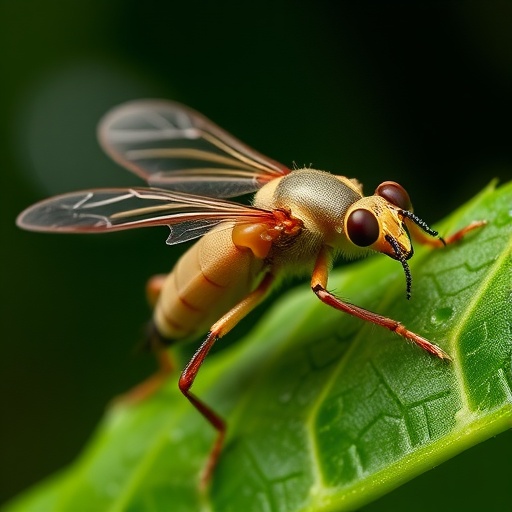
In the expansive realm of genetic research, the advent of CRISPR-Cas9 technology has marked a monumental shift, not only within model organisms but also extending its transformative potential to non-model insects. This transition is particularly significant given the ecological and agricultural importance of these species. The insightful exploration by Ahmed, Zheng, and Hunnekuhl aims to untangle the complexities surrounding genome editing techniques applicable to non-model insects, offering valuable strategies that are becoming increasingly transferable across a variety of species.
As scientists delve deeper into the genetic architecture of non-model insects, they uncover the vast potential these organisms hold. Non-model insects often exhibit unique behaviors, physiological adaptations, and ecological roles that make them invaluable for both research and pest management. These underserved species have long remained on the periphery of genetic studies primarily due to the technical challenges associated with their manipulation. Ahmed and his colleagues clearly outline how CRISPR-Cas9 can bridge this gap, providing researchers with the toolkit essential for conducting genome editing at the genetic level of these elusive organisms.
CRISPR-Cas9, a groundbreaking genomic editing tool, offers precision and efficiency that traditional genetic manipulation methods could only dream of. By employing a guide RNA to direct the Cas9 nuclease to specific DNA sequences, researchers can make targeted modifications to the genome. This targeted approach is not just a theoretical advantage; it can lead to successful genomic alterations that are crucial for experimental validation in non-model insects. The implications of such advances are profound, potentially enhancing the understanding of insect physiology, ecology, and evolution.
The challenge, however, lies not only in the application of CRISPR techniques but also in the actual delivery of these systems into non-model insect populations. Unlike model organisms such as Drosophila or mice, which have well-established protocols for genetic manipulation, non-model insects often require tailored approaches. The authors discuss various delivery methods ranging from microinjection to viral vectors, emphasizing the necessity for a strategic choice depending on the species in question while simultaneously accounting for their unique biological characteristics.
In their guide, Ahmed, Zheng, and Hunnekuhl highlight several successful case studies where CRISPR-Cas9 has been applied to non-model insects. Each example serves to illustrate the potential impact of this technology across varied contexts, from pest control to biodiversity conservation. The applications extend far beyond mere research; they open avenues for practical solutions to pressing environmental issues, such as combating agricultural pests that threaten food security. Through targeted editing, scientists can potentially silence pest populations or enhance beneficial traits in predator species, creating a more balanced ecosystem.
Moreover, the ethical implications of genome editing in non-model insects cannot be overlooked. As researchers advance towards practical applications in the field, they must navigate the moral landscape surrounding gene editing. The risk of unintended consequences, such as the disruption of local ecosystems or the emergence of novel pests, poses substantial concerns that warrant careful consideration. Ahmed and his colleagues advocate for a robust regulatory framework to govern these practices, thereby ensuring that the applications of CRISPR technology in these contexts are responsible and sustainable.
Looking at the future, the authors project that advancements in CRISPR technology will further democratize genetic research across diverse groups of insects. With ongoing improvements in the efficiency and specificity of genome editing tools, it is likely that many more non-model insects will soon be within reach of researchers. This could lead to significant collaborations across disciplines such as ecology, agriculture, and conservation biology, fostering a more integrated approach to understanding and managing both natural and agricultural ecosystems.
The authors also stress the importance of capacity building within research communities that focus on non-model organisms. Training programs and knowledge-sharing initiatives will be crucial in enabling researchers worldwide to access and apply CRISPR technology effectively. As more scientists gain expertise in this area, the richness of research output concerning non-model insects will undoubtedly flourish, paving the way for groundbreaking discoveries that could reshape our understanding of biodiversity.
In addition to transformative technological and practical aspects, this guide also serves a dual purpose as an educational resource for emerging scientists. By providing a step-by-step breakdown of the CRISPR-Cas9 processes and techniques, the authors equip a new generation of researchers with the tools they need to engage with non-model insects efficiently. This initiative seeks to inspire not only a continuation of research in this field but also an ever-widening appreciation for the complexity and interconnectivity of insect life.
The collaborative findings of this extensive exploration underscore an awakening in the scientific community regarding the relevance and potential of non-model insects. As research increasingly embraces these organisms, they may no longer be seen as mere subjects of study but rather as crucial components in the tapestry of life that warrants protection and understanding. CRISPR-Cas9 will surely play a critical role in this paradigm shift, offering a means of investigating the intricate genetic foundations of these pivotal species.
In summary, the guide created by Ahmed, Zheng, and Hunnekuhl serves as a clarion call for the scientific community to embrace non-model insects through the potent lens of CRISPR-Cas9 technology. By establishing flexible and transferable methodologies for genome editing in these species, researchers can unlock a wealth of knowledge that has remained untapped for too long. The ongoing exploration in this field is bound to yield rich dividends, setting in motion a new era of scientific discovery that highlights the importance of all organisms, regardless of their model status.
As research transitions steadily toward a future governed by advanced genetic technologies, it is clear that CRISPR-Cas9 will play a monumental role in shaping the study of non-model insects. The roadmap laid out in this brief guide serves not only as an introduction but also as an essential toolkit for unlocking the genetic secrets held within these vital yet overlooked organisms. The integration of such innovative approaches into mainstream research promises an exciting chapter in the narrative of genetic exploration and the quest to understand the complexities of life itself.
Subject of Research: Genome editing in non-model insects
Article Title: Transferable approaches to CRISPR-Cas9 induced genome editing in non-model insects: a brief guide
Article References:
Ahmed, H.M.M., Zheng, L. & Hunnekuhl, V.S. Transferable approaches to CRISPR-Cas9 induced genome editing in non-model insects: a brief guide.
Front Zool 22, 13 (2025). https://doi.org/10.1186/s12983-025-00566-2
Image Credits: AI Generated
DOI: https://doi.org/10.1186/s12983-025-00566-2
Keywords: CRISPR-Cas9, genome editing, non-model insects, ecological importance, genetic research, pest control, biodiversity conservation, ethical implications.


