


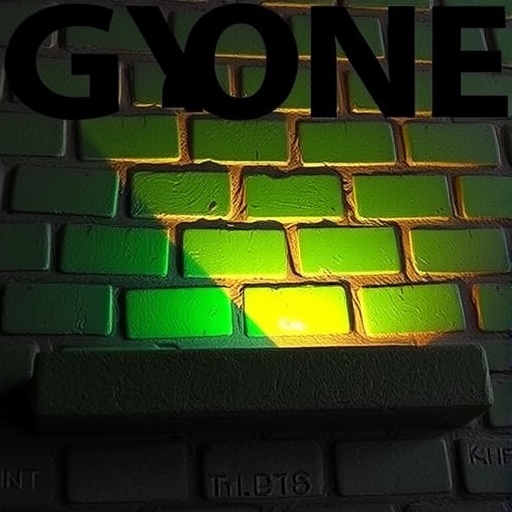
In recent years, the construction industry has sought innovative materials to address environmental concerns, particularly those associated with heavy metal contamination. One notable research effort led by Haque, Ray, and Ahmed introduces a promising approach to mitigate the environmental impact of chromium in construction through the development of non-fired bricks. Chromium, a toxic heavy metal, poses significant health risks and environmental hazards when improperly managed. The study aims to demonstrate an eco-friendly method for immobilizing chromium, making it safer for incorporation into building materials without sacrificing performance.
The use of non-fired bricks presents several advantages over traditional fired clay bricks, including reduced energy consumption and lower carbon emissions. Conventional brick firing involves high-temperature processes that contribute significantly to greenhouse gas emissions. By contrast, non-fired bricks can be produced at ambient temperatures, making them a more sustainable choice. The researchers explore this technology to create bricks that can competitively replace their fired counterparts, thus promoting greener construction practices.
A significant part of the methodology involves selecting raw materials that can effectively bind chromium while maintaining the structural integrity of the bricks. The choice of materials is crucial, as the interaction between the heavy metals and binders determines the long-term stability of the products. Through rigorous experimentation, the researchers evaluate various compositions to effectively immobilize chromium within the brick matrix. Their findings suggest that specific combinations of industrial byproducts and natural additives yield highly effective results, mitigating any potential leaching of chromium into the environment.
Moreover, the immobilization process described in the study does not only aim to sequester chromium but also emphasizes the importance of producing aesthetically pleasing and functionally robust construction materials. The researchers develop a range of non-fired bricks in different colors and textures, targeting not only technical performance but also consumer preferences. This multi-faceted approach enhances the overall appeal of these eco-friendly bricks, encouraging broader adoption in the construction industry.
Additionally, the researchers meticulously analyze the mechanical properties of the non-fired bricks produced in their experiments. Evaluation criteria include compressive strength, density, and thermal conductivity, all of which are critical for determining the suitability of these bricks for use in construction applications. The results reveal that their innovative bricks exhibit mechanical performance comparable to traditional fired bricks, thus opening avenues for practical deployment in the construction sector.
Another key aspect discussed in the research pertains to the potential economic benefits of employing these eco-friendly bricks in construction projects. By utilizing waste materials and local industrial byproducts, the production cost can be significantly reduced. This not only makes the bricks financially viable but also promotes a circular economy where waste material is repurposed rather than discarded, further supporting sustainable development goals.
Environmental assessments serve as a critical component of the study, as understanding the life cycle of these new materials is essential to gauge their overall environmental impact. The researchers employ life cycle assessment (LCA) techniques to evaluate the ecological footprint throughout the production, use, and end-of-life phases of the bricks. Early findings indicate that non-fired bricks that immobilize chromium substantially lower environmental harm compared to traditional methods of waste management and brick production.
To further validate their findings, the team also collaborates with construction professionals to explore large-scale applications of these eco-friendly bricks. Initial trials in real-world settings demonstrate promising outcomes, including durability and performance under various climatic conditions. Feedback from the field has been overwhelmingly positive, highlighting the potential for these sustainable materials to gain acceptance among builders and architects.
The research team also considers regulatory and safety implications associated with using chromium-containing materials in construction. Their work aligns with international standards for heavy metal limits in building products, ensuring that the new bricks comply with safety guidelines designed to protect both public health and the environment. This aspect lends credibility to their findings and bolsters the case for adopting these innovative materials in mainstream construction.
Furthermore, public awareness and education surrounding the environmental hazards of heavy metals like chromium are critical for promoting the adoption of eco-friendly materials. The researchers advocate for collaborative efforts between academia, industry, and regulatory bodies to ensure that the benefits of immobilizing chromium in non-fired bricks are fully realized. Increased outreach initiatives aimed at informing stakeholders about the advantages of such sustainable solutions can play a crucial role in shifting societal attitudes toward adopting healthier building practices.
As the global emphasis on sustainability continues to evolve, research such as that conducted by Haque et al. serves as a vital beacon for future developments in construction materials. Their innovative investigation highlights substantial improvements in addressing chromium contamination, benefiting both public health and the environment. In an age where eco-conscious building materials are imperative, the team’s work demonstrates that effective solutions can be developed without compromising quality or performance.
Through comprehensive investigations and robust experimental designs, the research affirms that the immobilization of heavy metals in non-fired bricks might very well redefine the landscape of sustainable construction. With continued exploration and refinement, the path remains open for these materials to revolutionize the construction industry, making it a safer, healthier, and more sustainable field for future generations.
Moving forward, it becomes essential for the scientific community to build upon such promising studies and apply their findings across diverse contexts. By fostering innovation in material science focused on environmental goals, we can collectively pave the way for a more sustainable and responsible construction industry.
In conclusion, the integration of eco-friendly materials like the non-fired bricks developed by Haque, Ray, and Ahmed heralds a new era in construction practices. By effectively immobilizing chromium and promoting resource efficiency, these innovative solutions reflect our growing acknowledgment of the interplay between industry and the environment. Ultimately, the advancements presented in this research could lead to transformative changes in how we think about and implement building practices, shaping a better future for the construction sector and the planet alike.
Cite Scienmag News
Violet Maxwell. (January 22, 2026). Green Bricks: Capturing Chromium Without Firing. Scienmag. https://scienmag.com/green-bricks-capturing-chromium-without-firing/
Violet Maxwell. "Green Bricks: Capturing Chromium Without Firing." Scienmag, 22 January 2026, https://scienmag.com/green-bricks-capturing-chromium-without-firing/. Accessed 4 September 2026.
Violet Maxwell. "Green Bricks: Capturing Chromium Without Firing." Scienmag. January 22, 2026. https://scienmag.com/green-bricks-capturing-chromium-without-firing/


