

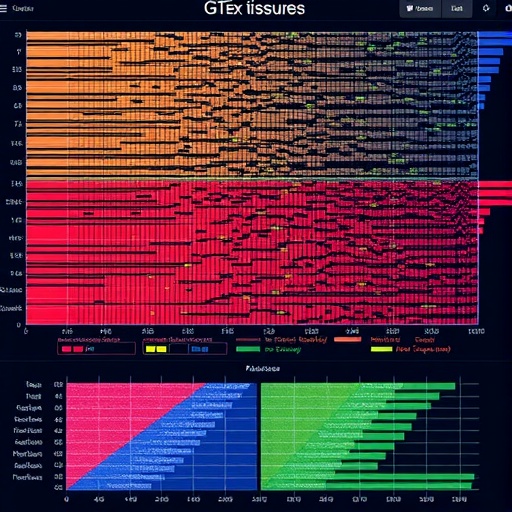
In an age when the intersection of gender and biology involves increasingly sophisticated analyses, researchers Tung and Lin have made significant strides in understanding the intricate nature of gene expression profiles in human tissues. Their groundbreaking study, expected to set new standards in the field of genomics, introduces an innovative visualization tool specifically designed to showcase these profiles across different genders. By examining data from the Genotype-Tissue Expression (GTEx) project, this study is set to unravel the complexities associated with how gene expression varies not only between individuals but also across the gender spectrum.
Gene expression plays a vital role in determining both the physiological and psychological traits exhibited by males and females. Understanding these differences goes beyond the realms of merely academic interest. It has profound implications for personalized medicine, drug development, and treatment methodologies that are tailored to the unique genetic frameworks of individuals. In this context, Tung and Lin’s research stands out as a unique fusion of visualization technology and biological inquiry. The tool they’ve developed allows researchers to seamlessly navigate through extensive gene expression datasets, making the data more accessible and interpretable.
The GTEx project has amassed a treasure trove of genomic data, which elucidates how genes are expressed in various human tissues. However, analyzing this data, especially in the context of gender differences, has been historically challenged by the sheer volume and complexity involved. The conventional methods of visualizing this information may not always highlight the subtleties and nuances present in the data. Here, the new visualization tool designed by Tung and Lin rises to the occasion, presenting a user-friendly interface that enhances the analytical experience, allowing both novice and experienced researchers to explore and derive insights more effectively.
Importantly, the tool provides capabilities that extend well beyond basic visualization. It allows users to not only observe differences in gene expression profiles between males and females but also to identify specific genes that are differentially expressed in various tissues. This level of detail can spark new hypotheses regarding the role of gender in genetic predispositions to diseases or conditions that may affect one gender more prominently than the other. Moreover, it introduces a new paradigm in how researchers can formulate their studies by generating questions that stem directly from observable patterns.
In their findings, Tung and Lin illustrate that gene expression variability is not merely a product of genetic differences but is also influenced by environmental factors and societal constructs. The visualization tool captures these dynamics, presenting a comprehensive overview that accounts for external influences on gene expression. This multifaceted approach allows for a deeper understanding of how lifestyle, location, and other demographic factors converge with genetic predispositions to shape individual health outcomes in diverse populations.
As the implications of their research unfold, it becomes evident that the visualization tool could serve as a catalyst for future studies in diverse fields, from cancer research to neurodegenerative disorders. Researchers with various specialties can utilize the data made accessible through this innovation, thus fostering interdisciplinary collaboration that can further advance our understanding of biology. The boundary between gender and genetics continues to blur, and this tool serves as a beacon for researchers aiming to navigate this intricate landscape.
Beyond academic settings, this research can extend its influence into clinical environments. Physicians may consider integrating insights derived from the visualization tool into clinical decision-making processes. Personalized medicine has gained traction as a revolutionary approach in healthcare, and understanding gender-specific gene expression can lead to better-informed treatment plans for patients. This research equips healthcare providers with the knowledge necessary for choosing strategies tailored to distinct genetic profiles.
Tung and Lin’s publication, set to appear in Biology of Sex Differences, promises to be a seminal piece of research that highlights the general trend towards utilizing technology to advance understanding in the biological sciences. The rise of bioinformatics and visualization in biology offers a glimpse into a future where researchers and clinicians can harness data in a manner that genuinely reflects the complexity of human biology. As more researchers embrace tools like the one introduced in this study, the landscape of genetic research will likely witness a paradigm shift towards a more nuanced and informed approach.
The findings of Tung and Lin may also influence public discourse around gender differences in health and disease. As awareness grows around issues related to gender in medicine, the visualization tool can become an educational resource for not only practitioners but also the lay public. Increased accessibility to complex data could foster informed discussions about gender-specific health risks, ultimately leading to a more proactive approach to disease prevention.
As the 2025 publication date approaches, the anticipation surrounding this research intensifies. The scientific community stands at the threshold of potentially transformative insights into genetic expression. Tung and Lin’s work not only exemplifies the promise of modern technology in addressing age-old questions surrounding gender and biology but also lays the groundwork for countless future inquiries. Scientific advancement thrives on such innovative contributions that bridge the gap between technology and biology, stimulating curiosity and opening doors for new discoveries.
In summary, Tung and Lin have developed a powerful tool that is poised to enhance our understanding of gene expression across genders significantly. With its introduction, researchers worldwide will likely see an increase in collaborations that span various specialties, ultimately driving forward the fields of genetics, medicine, and beyond. As the world awaits further developments from this promising study, one thing remains clear: the future of gene expression research has never looked brighter, and the male-female dichotomy in genetic expressions may soon reveal secrets that were once cloaked in obscurity.
Subject of Research:
Article Title:
Article References:
Tung, KF., Lin, Wc. A visualization tool for individual gene expression profiles among males and females in GTEx tissues.
Biol Sex Differ (2025). https://doi.org/10.1186/s13293-025-00796-3
Image Credits: AI Generated
DOI:
Keywords:


