


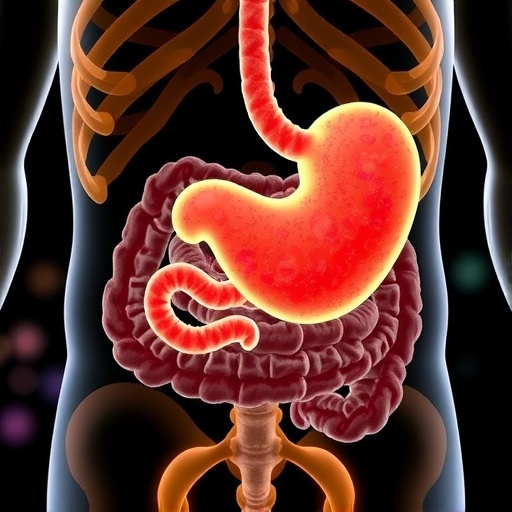
In recent years, the intricate relationship between the human gut microbiota and colorectal cancer has captivated the scientific community, revealing profound interdependencies that extend far beyond simple microbial colonization. A groundbreaking study led by Tang, Li, and colleagues has now shed new light on an overlooked factor that may significantly influence colorectal tumorigenesis: cholecystectomy, or the surgical removal of the gallbladder. Published in Nature Communications, this pioneering research meticulously details how alterations in the gut microbial ecosystem following gallbladder removal exacerbate the development and progression of colorectal cancer, offering a new dimension to the understanding of gastrointestinal oncology.
Cholecystectomy is a widely performed surgical procedure, primarily indicated for gallstone disease and cholecystitis. Despite its routine nature, the long-term consequences of this operation on intestinal physiology and pathology have remained insufficiently explored. The gallbladder plays a critical role in bile acid metabolism and secretion, which directly influences the composition and activity of the gut microbiota. Tang and colleagues’ study convincingly demonstrates that the loss of the gallbladder disturbs this delicate bile acid–microbiota axis, triggering a cascade of dysbiotic changes that potentiate carcinogenic processes within the colon.
The researchers utilized sophisticated multidimensional approaches, combining murine models with human clinical data analyses to unravel the complex mechanistic pathways involved. They observed that cholecystectomy induced a marked dysbiosis characterized by a decline in beneficial commensal bacteria and an enrichment of opportunistic pathogenic species. This microbial imbalance was accompanied by significant shifts in bile acid profiles, including an increase in secondary bile acids known for their pro-inflammatory and tumor-promoting properties. These biochemical and microbiological aberrations synergistically contributed to chronic intestinal inflammation, a well-established driver of colorectal tumorigenesis.
Delving deeper, the study employed state-of-the-art metagenomic sequencing and metabolomic profiling to chart the precise microbial taxa and metabolites altered post-cholecystectomy. These data unveiled that the expansion of bile-acid–resistant bacteria, coupled with the depletion of short-chain fatty acid-producing microbes, orchestrated a tumorigenic microenvironment within the colon. Short-chain fatty acids, such as butyrate, play a protective role by maintaining epithelial barrier integrity and rectifying immune homeostasis. Their loss thus compromises mucosal defenses, facilitating malignant transformation.
Of particular interest was the finding that secondary bile acids, including deoxycholic acid (DCA), accumulated substantially in the intestines of cholecystectomized mice and patients. DCA has been implicated in DNA damage, oxidative stress, and aberrant activation of oncogenic signaling pathways, such as NF-κB and Wnt/β-catenin, all of which are intimately involved in colorectal cancer pathogenesis. Heightened exposure to these cytotoxic compounds following cholecystectomy effectively creates a pro-carcinogenic niche conducive to the initiation and progression of neoplastic lesions.
The research team further substantiated their observations through histopathological examinations, documenting an increased incidence and severity of precancerous adenomas and malignant tumors in the colons of cholecystectomized animals. Moreover, survival analyses underscored an accelerated disease course and poorer clinical outcomes associated with gut dysbiosis induced by gallbladder removal. This correlation accentuates the clinical importance of preserving or restoring a balanced gut microbiota to mitigate post-surgical colorectal cancer risks.
Importantly, Tang et al. also explored potential interventional strategies to counteract the deleterious microbial and metabolic sequelae of cholecystectomy. They experimented with targeted modulation of the gut microbiota using prebiotics, probiotics, and bile acid sequestrants, which collectively ameliorated dysbiosis and reduced tumor burden in experimental models. These findings herald promising avenues for therapeutic innovation, aiming to attenuate colorectal carcinogenesis through microbiota-centered treatments in patients undergoing gallbladder surgery.
From a molecular perspective, the study elegantly detailed how dysregulated bile acid signaling precipitates epithelial barrier dysfunction through the disruption of tight junction proteins and mucosal immune regulation. This breach facilitates microbial translocation and persistent inflammatory responses, creating a feedback loop that perpetuates oncogenic stimuli. The researchers highlighted specific molecular markers and pathways, such as increased IL-6 and TNF-α expression, and activation of STAT3 signaling, which converge to fuel malignant transformation in the colonic epithelium.
Another intriguing aspect of this study lies in its implications for personalized medicine and cancer prevention. Given the prevalence of cholecystectomy and colorectal cancer worldwide, elucidating this causal link prompts reconsideration of patient monitoring and risk stratification protocols. Surveillance colonoscopy and microbiota profiling might become integral components of post-cholecystectomy care, facilitating early detection of neoplastic changes and enabling timely intervention.
The investigation also raises fundamental questions about the broader systemic impacts of gallbladder removal. Beyond localized colorectal effects, the disturbed bile acid dynamics and altered microbial communities could influence metabolic, immune, and even neurobehavioral health through the gut-liver-brain axis. These multifaceted repercussions underscore the importance of adopting a holistic framework in studying post-cholecystectomy outcomes, integrating microbial ecology with host physiology and oncology.
At the intersection of microbiology, surgery, and oncology, Tang and colleagues’ work exemplifies the power of interdisciplinary research in unraveling complex disease mechanisms. By linking a common surgical procedure with formidable shifts in the gut ecosystem and oncogenic risk, their findings compel a reevaluation of clinical practices and promote innovation in post-operative care strategies that integrate microbiota-targeted therapies.
Moreover, the study exemplifies the emerging paradigm that intestinal microbiota are not passive bystanders but active participants in cancer biology. The capacity of microbial metabolites to influence gene expression, epithelial turnover, and immune surveillance opens new frontiers in designing microbiome-informed diagnostics and therapeutics. The intricate dance between host and microbes following cholecystectomy accentuates the dynamic and plastic nature of disease pathways, dictated by both genetic and environmental factors.
Future research directions prompted by this work are vast and imperative. Longitudinal human studies with expansive cohorts will be necessary to validate the causal relationships and delineate patient subgroups most vulnerable to dysbiosis-induced tumorigenesis. Furthermore, deciphering the temporal dynamics of microbiota and bile acid alterations post-surgery will enhance understanding of critical windows for intervention.
In summary, the novel insights presented by Tang et al. decisively demonstrate that cholecystectomy-induced gut microbiota dysbiosis exacerbates colorectal tumorigenesis through complex metabolic and immunological disruptions. This research not only enhances our comprehension of colorectal cancer pathophysiology but also galvanizes the integration of microbiome science into surgical oncology. The prospect that microbial ecosystem manipulation could become an adjunct modality to lower colorectal cancer risk in patients following gallbladder removal heralds a transformative era in precision medicine.
As colorectal cancer remains a leading cause of cancer mortality globally, unveiling such modifiable factors that potentiate tumor development is especially timely. This study powerfully advocates for heightened awareness of the gut microbiota’s influential role after cholecystectomy and sets the stage for innovative interventions that could mitigate a significant surgical complication. Ultimately, bridging surgical clinical practice with microbiome therapeutics may redefine patient outcomes and elevate standards of care, marking a pivotal advance in oncology.
Cite Scienmag News
Nathaniel Bowman. (August 16, 2025). Gallbladder Removal Disrupts Gut Microbes, Fuels Tumors. Scienmag. https://scienmag.com/gallbladder-removal-disrupts-gut-microbes-fuels-tumors/
Nathaniel Bowman. "Gallbladder Removal Disrupts Gut Microbes, Fuels Tumors." Scienmag, 16 August 2025, https://scienmag.com/gallbladder-removal-disrupts-gut-microbes-fuels-tumors/. Accessed 4 September 2026.
Nathaniel Bowman. "Gallbladder Removal Disrupts Gut Microbes, Fuels Tumors." Scienmag. August 16, 2025. https://scienmag.com/gallbladder-removal-disrupts-gut-microbes-fuels-tumors/


