

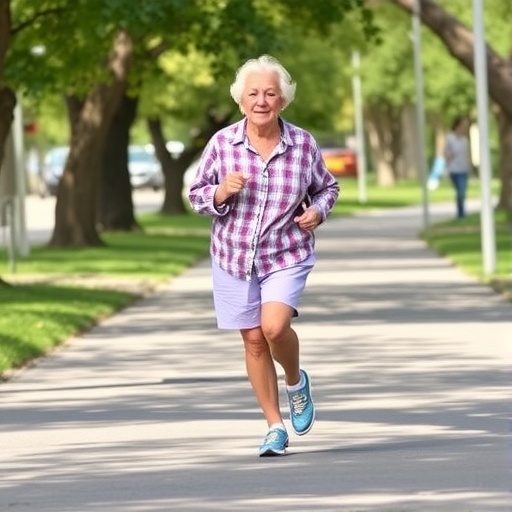
In the ongoing quest to understand the complexities of aging, researchers from Japan have illuminated pivotal connections between gait speed and sedentary behavior, specifically in the context of instrumental activities of daily living (IADLs). The research, led by Kitamura et al., unfolds within the framework of elder care in daycare centers, providing vital insights into how these factors interplay to influence the independence and quality of life of older adults. The findings, set against the backdrop of an aging population, underscore a pressing need for integrated health strategies.
The study meticulously investigates the association between gait speed—a crucial indicator of mobility—and the extent of sedentary behavior among seniors. Gait speed, often referred to as the “sixth vital sign,” serves as a critical measure of overall health; it encapsulates not just physical agility but often a person’s holistic well-being. As older adults experience age-related changes affecting their musculoskeletal integrity and cardiovascular health, a decline in gait speed can signal various underlying health issues, affecting their ability to carry out daily tasks independently.
Equally important is the exploration of sedentary behavior, which has burgeoned into a significant concern in contemporary health discussions. With increasing urbanization and technological reliance, older adults may find themselves leading more sedentary lifestyles. The adverse impacts of prolonged inactivity are well-documented, ranging from diminished muscle strength to cognitive decline. Kitamura et al. posit that understanding the intricate relationship between these two domains—gait speed and sedentary behavior—can provide actionable insights into promoting healthier lifestyles among older populations.
Examining these variables within a daycare center context is particularly revealing. Daycare centers provide a unique social milieu where older individuals can engage with peers and participate in structured activities. This environment can encourage movement and social interaction, which are essential for maintaining physical function and cognitive abilities. The researchers sought to evaluate how the activities provided in such settings might mitigate the risks associated with slow gait and extended sedentary periods.
Through a rigorous methodological approach, the study meticulously gathered data from older adults who attended daycare centers in Japan. Participants underwent assessments to measure their gait speed alongside self-reported and observational data on their sedentary behaviors. By analyzing this data, the researchers could draw more precise correlations between levels of physical activity and the capacity for independent living, as characterized by the completion of IADLs.
The findings of this research are profound and far-reaching. A faster gait speed emerged as a strong predictor of better performance in instrumental activities of daily living. Older adults with quicker gaits were more likely to engage in tasks like managing finances, grocery shopping, meal preparation, and transportation. Conversely, those exhibiting slower gait speeds showed a trend toward increased difficulties in performing these essential life skills, potentially leading to decreased independence and increased reliance on caregivers.
Equally notable was the impact of sedentary behavior on these outcomes. The results indicated that those spending more hours in sedentary activities tended to have slower gait speeds, establishing a cyclical relationship where inactivity precipitated declines in mobility, which in turn reinforced sedentary behavior. This cycle aptly illustrates the need for targeted interventions to break these patterns, suggesting that introducing measures to enhance mobility could invigorate older adults, enhancing their capacity for IADLs and overall life satisfaction.
In light of these findings, the implications for public health policy and personal health strategies become increasingly salient. Educators, healthcare providers, and family members must prioritize creating environments that foster movement and discourage prolonged inactivity. This might entail organizing more physical activities in daycare settings, providing resources for at-home exercises, or even leveraging technology to encourage seniors to engage in more active lifestyles.
Moreover, the research underscores the importance of interdisciplinary approaches to elder care, integrating physical health assessments with psychological and social considerations. As we strive to create holistic support systems for aging populations, understanding the connections between different health determinants becomes crucial in crafting tailored interventions.
The study by Kitamura et al. serves as an essential contribution to the broader discourse surrounding aging, health, and independence. As our societies continue to grapple with aging demographics, these findings provide vital clues for policymakers and healthcare practitioners to formulate effective strategies to enhance the quality of life for older adults. In fostering environments that stimulate both physical activity and social engagement, we can address the pressing challenges posed by aging and champion the independence and dignity of our senior community.
In conclusion, the intricate interplay between gait speed, sedentary behavior, and instrumental activities of daily living presents a compelling narrative that highlights the challenges and opportunities inherent in aging. As we continue to unravel the complexities of these relationships, the insights gained can pave the way for innovative health interventions, promoting active aging and ultimately enhancing the quality of life for older individuals.
As we reflect on the findings of this significant research, it is evident that the road ahead requires a concerted effort from all stakeholders in elder care. By mobilizing community resources, encouraging active living, and reinforcing the importance of regular assessments of mobility and activity levels, we can not only enrich the lives of our older populations but also harness the wisdom and experience they bring to our society.
Subject of Research: The relationship between gait speed, sedentary behavior, and instrumental activities of daily living in older adults.
Article Title: Relationship of Gait Speed and Sedentary Behavior with Instrumental Activities of Daily Living in Older People using a Daycare Center in Japan.
Article References: Kitamura, M., Izawa, K., Matsuda, H. et al. Relationship of Gait Speed and Sedentary Behavior with Instrumental Activities of Daily Living in Older People using a Daycare Center in Japan. Ageing Int 50, 57 (2025). https://doi.org/10.1007/s12126-025-09634-8
Image Credits: AI Generated
DOI: https://doi.org/10.1007/s12126-025-09634-8
Keywords: aging, gait speed, sedentary behavior, instrumental activities of daily living, older adults, daycare centers.


