


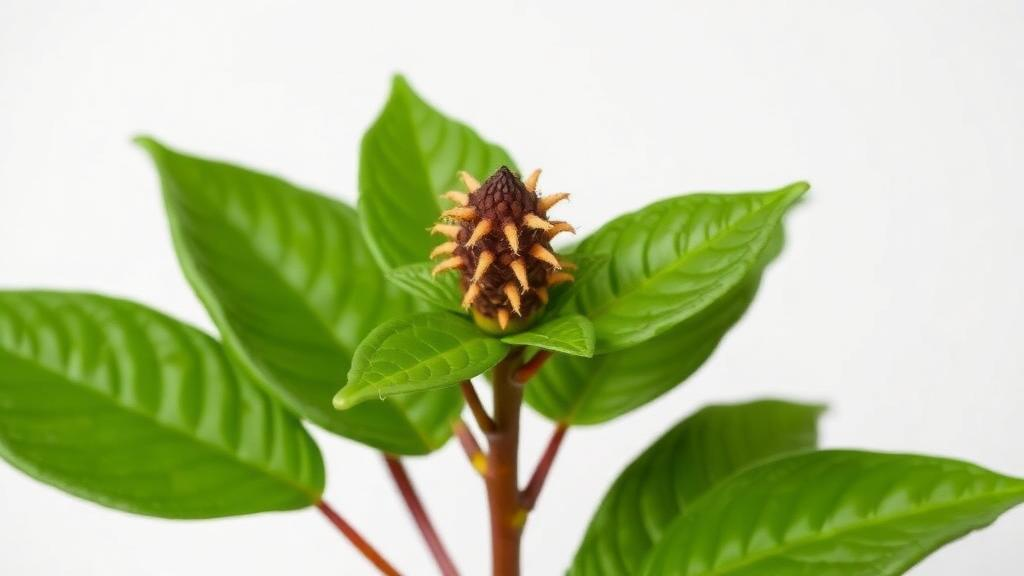
Chronic kidney disease is quietly becoming one of Nigeria’s most pressing health crises. Driven by hypertension, diabetes, glomerular disease, infections, and toxic exposures, and compounded by limited access to dialysis and transplantation, the condition pushes many patients toward traditional remedies long before they ever reach a nephrologist. That reality has now prompted a team of Nigerian researchers to ask a deceptively simple question: of all the plants in the country’s vast ethnobotanical repertoire that are claimed to protect the kidneys, which ones actually deserve serious scientific attention? Their answer, published as a narrative review with translational prioritisation in Discover Chemistry, is sobering. Out of 84 plant species examined across 42 families, only seven emerged as credible candidates for structured validation, and just one, the familiar roselle plant Hibiscus sabdariffa, rose to the top of the list.
The review, led by Olaniyi Victor Olaniru with Olulola Sarah Ashani and Clement Odunayo Ajiboye of Lead City University and the University of Ibadan, is notable less for the plants it celebrates than for the discipline it imposes. Rather than simply cataloguing species used for kidney complaints, the authors built a weighted scoring framework spanning five domains: ethnobotanical credibility worth up to 20 points, pharmacological evidence up to 30, safety up to 25, standardisation readiness up to 15, and availability or feasibility up to 10. The weighting is deliberate. Renal pharmacology and safety together command the largest share because, as the authors argue, nephroprotective prioritisation should not be driven by ethnobotanical popularity alone. A plant that everyone drinks but nobody has tested in a kidney-specific model cannot be treated as a kidney medicine.
To assemble the evidence base, the team searched PubMed/MEDLINE, Scopus, African Journals Online, and Google Scholar for literature published between January 2000 and June 2025, supplemented by grey literature such as theses and conference materials that strengthened the Nigerian context. They focused on species documented for kidney-related or urinary indications in Nigeria, or on Nigerian plant material tested in kidney-relevant experimental settings with extractable species-level data. Botanical names were standardised against the Royal Botanic Gardens, Kew’s Plants of the World Online. The ethnobotanical uses clustered around five themes: general renal complaints, diuresis and oedema management, urinary tract symptoms, hypertension-related use, and diabetes-linked kidney risk. Leaves were the most frequently reported plant material, followed by stem bark, a pattern with real chemical consequences because different tissues yield different metabolite classes and different standardisation challenges.
The tiering that followed is the review’s central contribution. Forty-three species had at least one potentially relevant report on renal use, kidney-adjacent activity, pharmacology, toxicology, or chemistry, but after appraising kidney-relevant pharmacology and report quality, only seven qualified as Tier A candidates: Hibiscus sabdariffa, Gymnanthemum amygdalinum (formerly Vernonia amygdalina), Alchornea cordifolia, Azadirachta indica, Ocimum gratissimum, Moringa oleifera, and Costus afer. Tier A, the authors stress, does not mean clinically effective. It means the species has scorable protective renal or kidney-relevant pharmacology after quality appraisal. Well-known plants such as garlic (Allium sativum), lemongrass (Cymbopogon citratus), and Phyllanthus amarus were conservatively relegated to Tier B because the available evidence was indirect, toxicity-oriented, non-protective, or insufficiently kidney-specific. Cultural visibility, the review shows, is far broader than experimentally supported readiness.
Hibiscus sabdariffa earned its top ranking on an unusually complete dossier. The plant, whose deep-red calyces are brewed into the popular beverage known in Nigeria as zobo, combines repeated Nigerian relevance, kidney-anchored in vivo and human data, a relatively favourable safety profile, and well-described anthocyanin and organic-acid marker systems that support chromatographic standardisation. Recent work cited in the review reported that leaf flavonoid extracts of the plant improved kidney injury molecule-1 and transforming growth factor-beta signalling in diabetic rats, while earlier Nigerian studies showed that chronic administration of the aqueous extract attenuated hypertension and improved renal function in a two-kidney, one-clip rat model, and a human study found no adverse effect on renal function in people with mild to moderate hypertension. That combination of mechanistic signal, functional outcome, and human tolerability is rare in this literature.
Across the prioritised evidence, nephroprotective claims converged on four mechanistic themes. Many extracts attenuated oxidative stress, reducing lipid peroxidation and bolstering endogenous antioxidant defences. Several Tier A candidates also showed anti-inflammatory activity, evidenced by decreased inflammatory mediators or histological signs of reduced tissue injury. Some studies suggested anti-fibrotic or anti-apoptotic effects, particularly in toxin-induced or diabetes-related kidney injury, and a smaller subset supported diuretic, haemodynamic, or metabolic mechanisms relevant to kidney protection. Gymnanthemum amygdalinum, the bitter leaf vegetable widely eaten in Nigerian cuisine, was associated with reduced oxidative injury and improved renal histology in nephrotoxic settings, including lead and cadmium exposure models. Alchornea cordifolia and neem (Azadirachta indica) were backed by kidney-relevant in vivo evidence, while Ocimum gratissimum and Costus afer showed signals consistent with oxidative-stress attenuation and preserved renal function.
Yet the review is emphatic that these mechanisms rest on shaky chemical foundations in most studies. The single strongest translational bottleneck, the authors conclude, is poor extract definition. Remedies are prepared as decoctions, infusions, or crude extracts under highly variable conditions of solvent selection, extraction time, raw material identity, season, storage, and dose, and many papers refer generically to aqueous, methanolic, or ethanolic extracts without linking botanical authentication, extraction conditions, yield, and phytochemical markers in a way that permits replication. Broad antioxidant claims were frequently not matched by adequate phytochemical characterisation, pharmacokinetic information, or validated renal biomarkers, leaving mechanistic inference uncertain. Without chemistry, a nephroprotective effect observed in one laboratory may simply vanish in the next.
To close that gap, the authors propose a chemistry-forward workflow and a minimum quality-control package: authenticated voucher specimens, recorded harvest and storage conditions, extraction yield, chromatographic fingerprinting, marker quantification, and validated analytical parameters including specificity, linearity, precision, accuracy, and short- and long-term extract stability. They suggest a tiered strategy realistic for low-resource laboratories: voucher confirmation and yield reporting first, thin-layer chromatography or HPLC fingerprinting next, and targeted liquid chromatography-mass spectrometry for the most promising candidates. Chemometric comparison of fingerprints across batches, seasons, plant parts, and solvents would help distinguish genuine phytochemical consistency from merely similar total phenolic values. The proposed markers, the authors caution, are quality-control indicators, not validated bioactive surrogates unless direct bioactivity linkage is demonstrated.
Safety receives equally conservative treatment, and for good reason. Nigeria-based toxicology was available for only a subset of species, and even then mostly limited to acute or short-term animal studies. The review identifies species with reassuring short-term data, species with mere familiarity-based reassurance, and species with explicit hazard flags such as nephrotoxicity signals, strong alkaloid or glycoside concerns, or organ injury at higher doses. Critically, several medicinal plants show a dual profile, appearing nephroprotective under one extraction method or dose while becoming nephrotoxic under chronic exposure or contaminated raw-material conditions. In chronic kidney disease, where impaired clearance, electrolyte imbalance, and multiple co-medications amplify risk, strong diuretic or hypotensive extracts could worsen volume depletion or renal perfusion, and heavy metals, pesticides, and adulterants can mimic or confound nephrotoxicity. Missing evidence, the authors note, was never treated as proof of safety.
The practical roadmap that follows is deliberately unglamorous. For Tier A species, the next step is chemistry-defined replication of renal endpoints: voucher-linked material, a defined extraction process, a marker panel or fingerprint, and at least one kidney-anchored in vivo model with comparator-based outcomes. Only after such replication should mechanistic refinement, bioassay-guided fractionation, pharmacokinetics, and formulation work proceed. For Tier B species, the first milestone is evidence generation, not clinical exploration: establish an analytically traceable extract, test it in one relevant nephrotoxicity or nephropathy model, confirm the direction of the renal signal, and only then advance. The authors are candid about the limitations of their own exercise, noting that the scoring framework is a transparent decision aid rather than a validated instrument, and that the rankings indicate relative priority, not proof of efficacy. But the message is clear and actionable: the path from Nigerian folk remedy to kidney medicine runs not through longer species lists, but through reproducible chemistry, rigorous renal toxicology, and quality control worthy of the patients these plants are meant to help.
Subject of Research: Translational prioritisation of Nigerian medicinal plants with nephroprotective potential for chronic kidney disease
Article Title: Narrative review and translational prioritisation of Nigerian medicinal plants with nephroprotective potential
Article References: Olaniru, O. V., Ashani, O. S., & Ajiboye, C. O. (2026). Narrative review and translational prioritisation of Nigerian medicinal plants with nephroprotective potential. Discover Chemistry, 3(1), Article 456. https://doi.org/10.1007/s44371-026-00883-3
Image Credits: AI Generated
DOI: 10.1007/s44371-026-00883-3
Keywords: chronic kidney disease, nephroprotection, Nigerian medicinal plants, Hibiscus sabdariffa, ethnobotany, phytochemistry, extract standardisation, natural products, renal pharmacology, toxicology, Gymnanthemum amygdalinum, translational research
Cite Scienmag News
Jerry Hayes. (October 13, 2026). From Nigerian Folk Remedies to Kidney Medicine: Only Seven Plants Survive a Rigorous New Ranking. Scienmag. https://scienmag.com/from-nigerian-folk-remedies-to-kidney-medicine-only-seven-plants-survive-a-rigorous-new-ranking/
Jerry Hayes. "From Nigerian Folk Remedies to Kidney Medicine: Only Seven Plants Survive a Rigorous New Ranking." Scienmag, 13 October 2026, https://scienmag.com/from-nigerian-folk-remedies-to-kidney-medicine-only-seven-plants-survive-a-rigorous-new-ranking/. Accessed 13 October 2026.
Jerry Hayes. "From Nigerian Folk Remedies to Kidney Medicine: Only Seven Plants Survive a Rigorous New Ranking." Scienmag. October 13, 2026. https://scienmag.com/from-nigerian-folk-remedies-to-kidney-medicine-only-seven-plants-survive-a-rigorous-new-ranking/


