


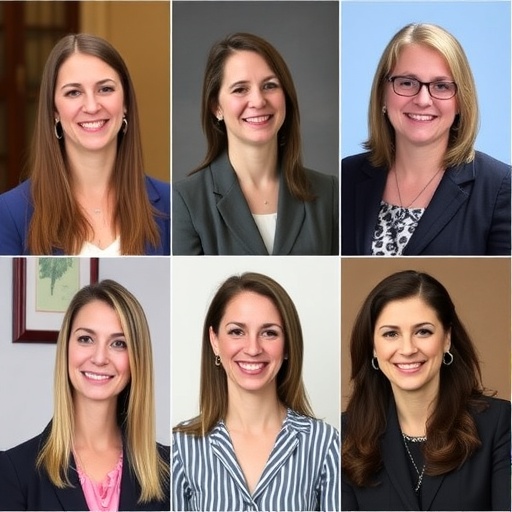
In a groundbreaking development set to reshape neonatal and perinatal training, former chairs of the Organization of Neonatal-Perinatal Training Program Directors (ONTPD) have presented their expert perspective on a novel two-year fellowship proposal. This new initiative aims to enhance specialized training for physicians in neonatal-perinatal medicine, addressing the growing complexity and demands in this critical field.
Neonatal-perinatal medicine is a subspecialty dedicated to the care of high-risk newborns and their mothers during pregnancy, birth, and immediately after delivery. As medical technology and understanding evolve, the training needed for clinicians becomes increasingly sophisticated. The proposed two-year fellowship extension is a response to this escalating complexity, offering a more comprehensive curriculum that integrates cutting-edge research, advanced clinical skills, and interdisciplinary collaboration.
The former ONTPD chairs emphasize that the proposal aligns with the urgent need for a workforce adept in modern neonatal care approaches. They argue that the extended fellowship would provide trainees with exposure to emerging technologies such as neonatal neuroimaging, precision medicine, and advanced respiratory support. These areas are pivotal for improving outcomes in neonates with complex conditions like bronchopulmonary dysplasia and hypoxic-ischemic encephalopathy.
Moreover, the proposed fellowship aims to strengthen training in translational research methodologies. Trainees would engage more deeply with clinical trials and bench-to-bedside innovations, equipping them to integrate scientific advances into everyday practice effectively. This focus on research is critical as neonatal medicine transitions into an era where personalized treatment protocols offer hope for reducing mortality and morbidity.
The former chairs also discuss the importance of honing communication and ethical decision-making skills within the fellowship framework. Managing neonatal intensive care units requires navigating complex family dynamics and end-of-life care discussions. Extending training time is seen as essential to nurture these delicate competencies alongside technical proficiency.
While the two-year model promises a richer educational experience, the proposal also anticipates challenges, including potential impacts on fellows’ career timelines and financial considerations. Sustaining funding for extended training programs will require coordinated efforts between academic institutions, healthcare systems, and governmental bodies.
In conclusion, this visionary proposal by the ONTPD’s past leadership advocates for a transformative shift in neonatal-perinatal medicine training. By broadening the temporal and thematic scope of fellowships, the field positions itself to meet future healthcare demands with unparalleled expertise and compassion. If implemented, this new training paradigm could significantly elevate care standards for society’s most vulnerable patients.
This publication, featured in the Journal of Perinatology, reflects a collective push toward innovation in medical education driven by the realities of modern neonatal care and the aspirations of the next generation of specialists.
Cite Scienmag News
Harold Sullivan. (July 9, 2026). Former ONTPD Chairs Reflect on Two-Year Fellowship Proposal. Scienmag. https://scienmag.com/former-ontpd-chairs-reflect-on-two-year-fellowship-proposal/
Harold Sullivan. "Former ONTPD Chairs Reflect on Two-Year Fellowship Proposal." Scienmag, 9 July 2026, https://scienmag.com/former-ontpd-chairs-reflect-on-two-year-fellowship-proposal/. Accessed 3 September 2026.
Harold Sullivan. "Former ONTPD Chairs Reflect on Two-Year Fellowship Proposal." Scienmag. July 9, 2026. https://scienmag.com/former-ontpd-chairs-reflect-on-two-year-fellowship-proposal/


