


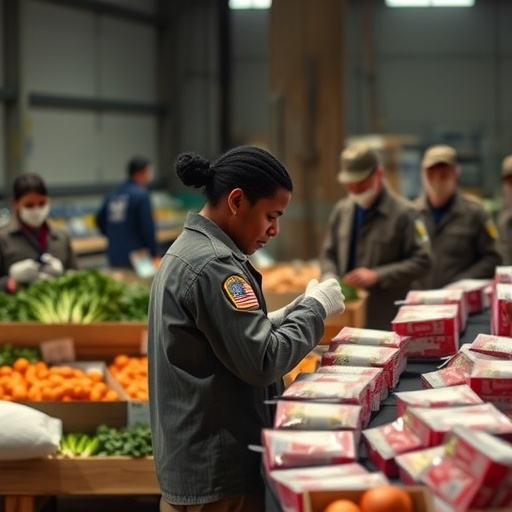
In recent years, discussions surrounding sustainable diets have increasingly centered on their implications for both human and planetary health. However, a critical aspect that often goes unaddressed is the human cost associated with food production, particularly when it comes to the plight of workers in food value chains. As global employment in the food sector rises, so too do the rates of forced labor, raising essential questions regarding the ethical implications of our dietary choices.
A groundbreaking study has taken a closer look at this issue, utilizing nationally representative food intake data alongside forced labor risk assessments for various food commodities. The research primarily aims to compare the risk of forced labor embedded within five specific dietary profiles in the United States. These profiles encompass current eating habits as well as three recommended dietary patterns tailored for Americans, alongside the internationally recognized EAT–Lancet Planetary Health Diet. Significantly, the findings reveal stark disparities in forced labor risks across these dietary patterns, inviting a reevaluation of how we think about our diets in relation to social justice.
The researchers found that the Mediterranean-Style diet and the US-Style recommended dietary patterns posed the highest risks for forced labor. In stark contrast, the Planetary Health Diet emerged as the option with the least embedded risk. These associations highlight the correlation between specific food intake—particularly fruits, dairy products, and red meat—and the potential for forced labor exploitation in food production. This crucial insight urges consumers, policymakers, and health advocates to reconsider dietary recommendations, not only for health or environmental reasons but also from a human rights perspective.
Importantly, the study illustrates that protein-rich foods account for nearly half of the forced labor risk across all dietary patterns. This is except for the Healthy Vegetarian recommended pattern, which shows a different risk profile. The centrality of protein foods raises important ethical considerations about sourcing and production practices. The agricultural sector, especially with protein sources like meat and dairy, often relies on labor-intensive processes that can foster conditions ripe for exploitation, thus framing the conversation around sustainability in a new light.
The implications of this research are multifaceted; they extend beyond individual health to touch on broader societal issues such as labor rights and environmental sustainability. At a time when consumers are increasingly demanding sustainable options, this study encourages a more holistic view that includes considerations for workers within food value chains. The trade-offs between health, sustainability, and social equity must be integrated into public discourse if we are to succeed in crafting genuinely sustainable diets.
As global food systems continue to evolve amid rising climate concerns and health crises, understanding the hidden costs associated with food production becomes imperative. The synergy between dietary choices and social justice must form the bedrock of discussions on food security and environmental sustainability. This research serves as a poignant reminder that the simple act of choosing what to eat is far from straightforward; it is intertwined with the lives of countless workers who often remain invisible in dialogues about food systems.
Moreover, the findings prompt a reconsideration of how dietary guidelines are formulated. If recommended diets reflect behaviors that inadvertently endorse forced labor, it raises significant ethical concerns. As consumers, we hold the power to demand transparency and accountability from food producers and policymakers alike. This could mean advocating for changes in sourcing practices, enforcing stricter labor regulations, and prioritizing ethical food production methods as we strive for healthier and more sustainable diets.
As the implications of this research unfold, it is critical for stakeholders from various sectors to engage in meaningful dialogue aimed at addressing these pressing issues. Collaboration among governments, NGOs, and the private sector can facilitate the implementation of systems that prioritize human rights alongside health and environmental goals. Thus, we can work towards creating a food system that is equitable for all: one that respects workers’ rights, promotes sustainable practices, and supports the health of individuals and the planet alike.
In conclusion, the interconnection between diet, sustainability, and human rights demands urgent attention. As discussions on sustainable diets ramp up, integrating insights from this research can help consumers make informed choices aligned with ethical practices. Understanding the complexities of food systems, particularly the human elements involved, lends itself to more compassionate consumption practices. By engaging with this crucial dialogue, we can collectively strive towards crafting a food landscape that reflects shared values of justice, health, and sustainability.
As these findings resonate within the broader discourse of sustainability, they serve as a compelling call to action. Armed with data and insights that illuminate the realities of forced labor within food systems, it is crucial to push for better standards that protect not only the planet but also the people who nurture it. From lifestyle changes to systemic reforms, each step taken towards acknowledging and addressing these hidden risks can contribute significantly to a more ethical and sustainable future for all.
Ultimately, this critical examination of dietary patterns and their associated risks offers an invaluable opportunity for growth—both for consumers and for the broader food industry. By embedding social consciousness into our dietary choices, we can craft a sustainable future that values health, well-being, and the dignity of every worker in the food value chain.
Rodríguez-Huerta, E., Bell, B.M., Battaglia, K. et al. Current and recommended diets in the USA have embedded forced labour risk.
Nat Food (2025). https://doi.org/10.1038/s43016-025-01242-8
Cite Scienmag News
Daisy Hatcher. (October 11, 2025). Forced Labor Risks in U.S. Diets Explored. Scienmag. https://scienmag.com/forced-labor-risks-in-u-s-diets-explored/
Daisy Hatcher. "Forced Labor Risks in U.S. Diets Explored." Scienmag, 11 October 2025, https://scienmag.com/forced-labor-risks-in-u-s-diets-explored/. Accessed 4 September 2026.
Daisy Hatcher. "Forced Labor Risks in U.S. Diets Explored." Scienmag. October 11, 2025. https://scienmag.com/forced-labor-risks-in-u-s-diets-explored/


