

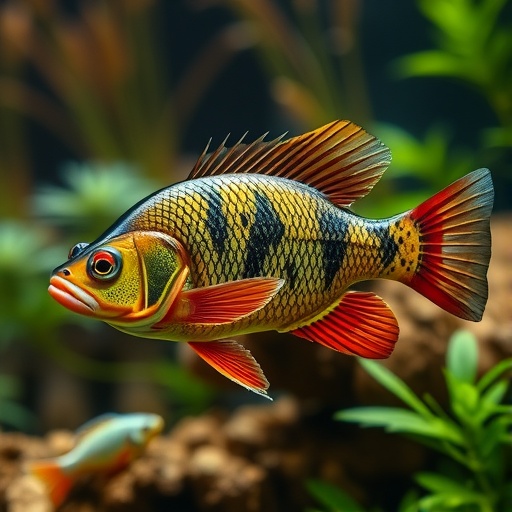
Recent research has unveiled significant biochemical and histological alterations in Nile tilapia, scientifically known as Oreochromis niloticus, following exposure to the herbicide florpyrauxifen-benzyl. This herbicide, renowned for its effectiveness in controlling aquatic weeds, raises critical concerns regarding its impacts on non-target aquatic organisms. The findings not only shed light on the potential ecological risks posed by such chemicals but also highlight the pressing need for stringent regulatory measures in the application of herbicides in aquatic environments.
Nile tilapia is a species of considerable ecological and economic importance, frequently used in aquaculture and as an indicator species for freshwater ecosystems. The inherent biological and physiological responses of this fish to environmental changes make it an ideal candidate for studying the effects of environmental contaminants. Florpyrauxifen-benzyl, a relatively new herbicide, has been under scrutiny due to its potential to disrupt aquatic life. The current study emphasizes the repercussions that such substances can have on the health and viability of these fish.
In this study, the researchers evaluated the biochemical parameters in Nile tilapia, exposing the fish to sub-lethal concentrations of florpyrauxifen-benzyl over a specific duration. Blood samples and tissue biopsies were collected to assess the biochemical alterations. The study reported significant changes in several blood parameters, including increased levels of liver enzymes, which serve as indicators of liver damage. Such elevations are worrisome as they suggest that the herbicide negatively impacts the hepatic function of the fish, potentially leading to long-term health complications.
Moreover, histological examinations of vital organs, including the liver and gills, revealed profound architectural changes. The gills, which are crucial for respiration and osmoregulation in fish, exhibited signs of hyperplasia and hypertrophy, conditions indicating an adaptive response to stress but also signaling potential systemic toxicity. Such alterations could impair the fish’s respiratory capabilities, thereby affecting their ability to survive and thrive in their natural habitats.
Additionally, the study delved into the oxidative stress markers in Nile tilapia. Increased levels of reactive oxygen species (ROS) were observed, indicating a shift towards an oxidative stress state. This accumulation of ROS can lead to cellular damage, further exacerbated by compromised antioxidant defenses observed in the fish subjected to florpyrauxifen-benzyl. The relationship between oxidative stress and environmental pollutants underscores the need for further research into how such herbicides can undermine the fundamental biological processes in aquatic organisms.
The implications of these findings extend beyond just the studied species. The disruption in biochemical and histological integrity can ripple through the aquatic food web. As Nile tilapia serves both as a prey and a predator within its ecosystem, alterations in its health can disrupt predator-prey dynamics and lead to ecological imbalances. The ramifications of using florpyrauxifen-benzyl in aquatic systems thus warrant serious consideration and call for comprehensive ecological risk assessments.
In light of these findings, the study advocates for increased public awareness regarding the persistent use of herbicides in aquatic environments. Stakeholders, including policymakers and environmental agencies, are urged to reconsider the regulatory frameworks surrounding the usage of such chemicals. Implementing more stringent guidelines could mitigate the impacts of harmful substances like florpyrauxifen-benzyl on non-target aquatic species, ultimately safeguarding the health of entire ecosystems.
Moreover, the research emphasizes the necessity of developing and promoting eco-friendly alternatives to chemical herbicides. The reliance on synthetic chemicals in agriculture and aquaculture often overlooks the long-term ecological consequences, demonstrating a clear need for integrated pest management strategies that prioritize environmental health while maintaining economic productivity.
As the agricultural and aquacultural sectors continue to expand, it becomes increasingly important to consider the sustainability of practices that may inadvertently harm the very ecosystems they aim to benefit. Future studies should focus on long-term effects of florpyrauxifen-benzyl and similar herbicides, alongside investigations into possible mitigation strategies that can be employed without compromising aquatic biodiversity.
In conclusion, the biochemical and histological alterations induced in Nile tilapia by florpyrauxifen-benzyl underscore a critical intersection between human activity and environmental health. These findings serve as a clarion call for adopting more responsible practices within agricultural and aquatic management sectors. Collaborative efforts among scientists, policymakers, and industry stakeholders are essential to foster sustainable practices that protect aquatic environments while supporting the needs of agriculture and aquaculture.
As we look to the future, it becomes imperative to continuously evaluate the impacts of chemical substances in our ecosystems. Through dedicated research and a commitment to ecological integrity, we can work towards a future where aquatic life thrives alongside human development, ensuring a balanced coexistence that respects all forms of life within our shared environment.
Subject of Research: Biochemical and histological alterations induced by florpyrauxifen-benzyl herbicide in Nile tilapia
Article Title: Biochemical and histological alterations induced by florpyrauxifen-benzyl herbicide in Nile tilapia (Oreochromis niloticus).
Article References:
Nabet, N., Khallaf, E.A., Alnenaey, A. et al. Biochemical and histological alterations induced by florpyrauxifen-benzyl herbicide in Nile tilapia (Oreochromis niloticus).
Environ Sci Pollut Res (2026). https://doi.org/10.1007/s11356-025-37332-0
Image Credits: AI Generated
DOI: https://doi.org/10.1007/s11356-025-37332-0
Keywords: Biochemical alterations, histological changes, florpyrauxifen-benzyl, Nile tilapia, environmental impact, oxidative stress, aquatic ecosystems, herbicide regulation.


