

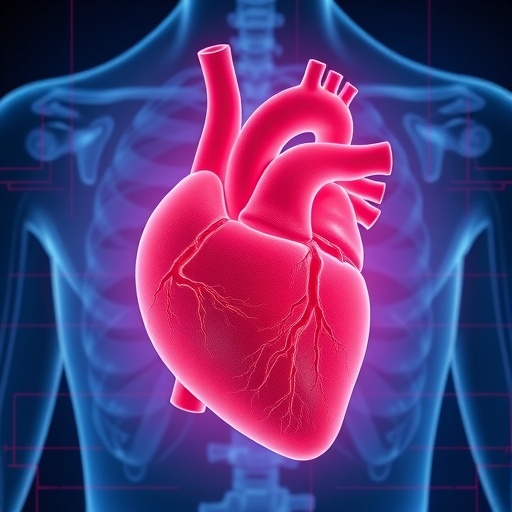
Over the past decade, the field of cardiac lymphatic research has witnessed a remarkable surge, unveiling a complex and previously underappreciated layer of cardiovascular physiology and pathology. The cardiac lymphatic system, once considered a mere drainage network, is now recognized as a pivotal regulator of myocardial homeostasis, immune surveillance, and interstitial fluid balance. Recent clinical studies have shed light on profound lymphatic remodeling events across a spectrum of cardiovascular diseases, underscoring the system’s dynamic response to pathological stimuli. Experimental models have further elucidated the mechanistic underpinnings by which altered lymphatic structure correlates with impaired transport functionality, highlighting a critical nexus between lymphatic health and cardiac performance.
At the core of cardiac lymphatic function lies its structural and molecular specialization, adaptations that allow it to maintain fluid balance and modulate immune cell trafficking within the heart tissues. The lymphatic endothelium exhibits unique markers and signaling pathways tailored to the cardiac environment, facilitating responses to biomechanical forces and inflammatory cues. These distinctive anatomical and molecular features enable the lymphatics to perform multifaceted homeostatic roles, including the fine-tuning of myocardial fluid dynamics, regulation of extracellular matrix turnover, and handling of lipid transport. Disruption of any of these processes can precipitate a cascade of pathophysiological consequences, contributing to disease progression.
One striking realization from recent cardiac lymphatic research is how remodeling within this vascular system can lead to functional deficits that exacerbate cardiovascular pathology. Lymphatic dysfunction translates into insufficient drainage of interstitial fluid, resulting in myocardial edema, altered cellular milieu, and increased cardiac stress. Such fluid accumulation not only impairs myocardial contractility but also fosters a pro-inflammatory environment. The intricacies of lymphatic involvement extend beyond fluid balance; they influence the cardiac immune microenvironment by controlling the egress of immune cells and antigen-presenting cells, thus modulating local and systemic immunity.
Inflammation emerges as both a driver and consequence of disruptions in cardiac lymphatic architecture and function. The recent compilation of research highlights the bidirectional relationship where chronic inflammatory states trigger lymphatic remodeling, and impaired lymphatic transport potentiates inflammatory cell retention within cardiac tissues. This vicious cycle intensifies tissue damage, delaying resolution and repair mechanisms. Understanding the molecular signals that perpetuate this feedback loop, such as those mediated by vascular endothelial growth factors and immune-derived cytokines, remains a frontier that could unlock new therapeutic avenues.
Moreover, the regulatory pathways governing cardiac lymphangiogenesis—the process of new lymphatic vessel formation—have garnered significant attention. Unlike classical angiogenesis, lymphangiogenesis is intricately modulated by unique growth factors, mechanical stimuli, and metabolic states. Emerging evidence points to a critical crosstalk between immune cells and lymphatic endothelial cells, with macrophages and dendritic cells releasing chemotactic and growth-promoting factors that induce lymphatic expansion. This intimate dialogue between the immune system and lymphatics within the cardiac milieu provides adaptive mechanisms to counterbalance injury but may become maladaptive in chronic disease contexts.
Biomechanical forces exerted by the cardiac cycle also provide an important stimulus for lymphangiogenic signaling. The rhythmic contraction and relaxation of myocardial tissue generate shear stress and cyclic strain on lymphatic vessels, which in turn regulate signaling pathways influencing lymphatic growth and remodeling. Metabolic factors, including oxygen levels and nutrient availability, further integrate with mechanical cues to fine-tune lymphatic responses. These insights emphasize the complexity of local microenvironmental regulation in maintaining lymphatic homeostasis or driving pathological changes.
Despite advances in fundamental understanding, therapeutic targeting of lymphatic dysfunction in cardiovascular disease faces challenges. Experimental strategies aimed at inducing therapeutic lymphangiogenesis demonstrate promise in preclinical models by enhancing lymphatic density and improving drainage capacity. However, translating these approaches to clinical settings confronts hurdles such as controlled growth, vessel maturation, and integration with existing cardiac vasculature. Additionally, there is a delicate balance to strike, as excessive or aberrant lymphangiogenesis may provoke unwanted side effects, including fibrosis or altered immune responses.
Cutting-edge imaging techniques are poised to revolutionize how clinicians and researchers visualize cardiac lymphatic networks. Non-invasive lymphatic imaging modalities, incorporating advanced contrast agents and sophisticated imaging platforms like magnetic resonance lymphangiography, enable precise mapping of lymphatic architecture and functional assessment. Such innovations promise not only to facilitate early detection of lymphatic abnormalities in cardiovascular diseases but also to monitor responses to therapeutic interventions, heralding a new era of personalized cardiovascular medicine.
The interface between lipid biology and lymphatic dynamics constitutes another emerging frontier. Cardiac lymphatics play a hitherto underexplored role in lipid trafficking and metabolism, influencing lipid clearance and homeostasis within the myocardium. Altered lymphatic function can render lipid accumulation more prominent, exacerbating disease states like atherosclerosis and cardiomyopathy. Dissecting these lipid-lymphatic interactions could unveil novel targets to mitigate cardiovascular risk and improve patient outcomes.
On the cellular level, the extracellular matrix (ECM) remodeling mediated by lymphatic function affects the cardiac structural integrity. Proper collagen turnover and ECM homeostasis are essential for maintaining myocardial stiffness and flexibility. Lymphatic dysfunction disrupts these processes, potentially leading to maladaptive fibrosis and stiffening of the heart muscle—a hallmark of heart failure with preserved ejection fraction (HFpEF). Therapeutic interventions aimed at rescuing lymphatic transport may thus hold promise for limiting pathological fibrosis and preserving cardiac function.
Immune modulation by the cardiac lymphatics extends beyond mere trafficking; lymphatic endothelial cells actively participate in antigen presentation and tolerance induction. By shaping local immune responses, lymphatics can influence the progression of myocarditis and other immune-mediated cardiac conditions. This immunomodulatory capacity opens potential pathways for innovative treatments targeting immune-lymphatic interplay, offering hope for patients suffering from autoimmune or inflammatory cardiomyopathies.
The role of lymphatic endothelial cell metabolism has started to gain recognition as a driving factor in cardiac lymphatic adaptation and repair. Metabolic reprogramming of these cells in response to injury or stress underlies their capacity to proliferate, migrate, and form new vessels. Interventions that modulate lymphatic endothelial metabolism could potentiate or inhibit lymphangiogenesis, offering a metabolic angle to lymphatic-targeted therapies.
As the scientific community strongly focuses on bridging bench-to-bedside gaps, more research will be needed to resolve outstanding questions surrounding the heterogeneity and plasticity of cardiac lymphatics. Unlocking the full therapeutic potential of lymphatic modulation demands a more integrated understanding of cellular signaling networks, tissue biomechanics, immune regulation, and metabolic influences within the cardiac niche.
In summary, the cardiac lymphatic system has emerged as a critical component of cardiovascular health and disease. Its dynamic structural and molecular characteristics enable multifaceted homeostatic functions, which, when compromised, contribute to diverse pathological processes ranging from edema and inflammation to fibrosis and immune dysregulation. The interplay between immune cells, mechanical forces, metabolic stimuli, and lymphangiogenic signaling forms a complex regulatory web that can be leveraged for novel interventions. Continued advancements in imaging, experimental therapies, and basic science promise to translate lymphatic insights into tangible clinical benefits, potentially transforming the management of cardiovascular diseases in the near future.
Subject of Research:
Cardiac lymphatic system physiology and pathology in cardiovascular disease
Article Title:
Cardiac lymphatic dysfunction and repair in cardiovascular disease
Article References:
Brakenhielm, E. Cardiac lymphatic dysfunction and repair in cardiovascular disease. Nat Rev Cardiol (2026). https://doi.org/10.1038/s41569-026-01271-1
Image Credits: AI Generated
DOI:
https://doi.org/10.1038/s41569-026-01271-1
Keywords:
Cardiac lymphatics, lymphatic remodeling, cardiovascular disease, myocardial edema, lymphangiogenesis, immune modulation, inflammation, extracellular matrix, fibrosis, lymphatic imaging, therapeutic lymphangiogenesis


