


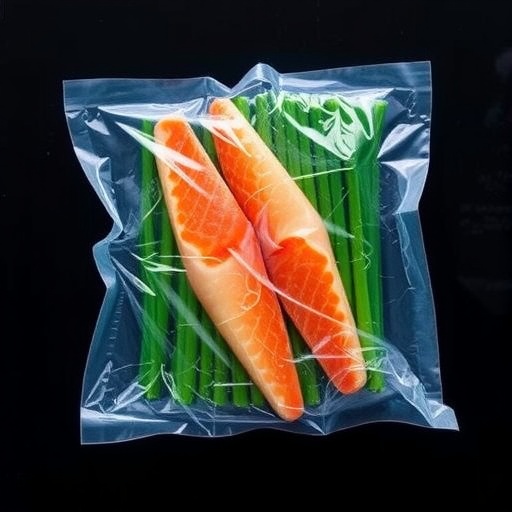
Researchers at the University of São Paulo (USP) have embarked on an innovative venture using sustainable resources to address environmental concerns surrounding food packaging. Their work harnesses the skin of the tambatinga fish, a hybrid species from the Amazon, known scientifically as the result of crossing tambaqui (Colossoma macropomum) and pirapitinga (Piaractus brachypomus). This remarkable project, conducted in collaboration with EMBRAPA Pecuária Sudeste, aims to develop a biodegradable biofilm that can significantly reduce the reliance on petroleum-based synthetic packaging materials.
The tambatinga fish has been recognized not only for its robust growth potential in aquaculture but also as a rich source of collagen and protein. Researchers have identified that the skin of this fish contains higher concentrations of amino acids, which enhance the functional characteristics of gelatin extracted from it. The utilization of fish skin, typically classified as industrial waste, opens new pathways for sustainable practices in food packaging. By converting this waste into valuable biopolymers, the research team aims to create materials that are environmentally friendly and capable of fulfilling the demands of the food industry.
In their groundbreaking study, acknowledged by FAPESP and documented in the scientific journal Foods, the researchers undertook a multi-step process to transform tambatinga skin into eco-friendly packaging. The initial phase involved meticulously cleaning the fish skins and then extracting gelatin by employing hot water and acetic acid, ensuring that all impurities were efficiently removed. This meticulous approach not only guarantees the safety of the eventual packaging film but also maximizes the extraction of beneficial proteins that are integral to the material’s performance.
The formulation of the biopolymer film involved mixing gelatin with a film-forming solution at a precise ratio, utilizing two grams of gelatin for every 100 grams of the solution. This blend resulted in a transparent, flexible material that exhibited a uniform surface quality, a critical characteristic for food packaging applications. The advanced properties of the biofilm demonstrated significant improvements over conventional gelatin-based materials, particularly concerning its ability to block harmful ultraviolet rays and its lower water vapor permeability.
Despite its promising attributes, the newly formed biopolymer does present certain limitations, specifically its vulnerability to moisture. Researchers emphasize that the application of these biopolymers should currently be limited to dehydrated products, such as nuts and dried fruits, to ensure the integrity and effectiveness of the packaging. The revelation of this moisture sensitivity highlights the need for ongoing research, aimed at enhancing the resilience of the biopolymer for broader applicability across various food products.
The overarching goal of this research is to advance the use of tambatinga skin-derived biopolymers not just in food packaging but also within the pharmaceutical and biomedical sectors. The researchers advocate for an integrated production chain that supports the aquaculture industry while simultaneously mitigating environmental impact. Such interdisciplinary applications underline the transformative potential that by-products from food industries can have when creatively repurposed.
This discussion prompts broader inquiries into the sustainability practices within the food packaging industry. As global markets continue to grapple with the perils of plastic pollution, bio-based alternatives are increasingly sought after for their reduced ecological footprint. The tambatinga fish biofilm stands as a hallmark of how science can innovate and redefine waste management practices, contributing significantly to a greener economy.
Furthermore, the study underscores the critical role that research institutions play in pioneering advancements that encompass both scientific inquiry and environmental stewardship. Collaborations like the one at USP and EMBRAPA serve as vital catalysts for sustainable solutions that can be disseminated across various sectors, ensuring that the benefits of such research reach a wider audience.
As public awareness of environmental issues rises, the demand for sustainable food packaging solutions is likely to escalate. The traceability of these materials, coupled with their biodegradability, will resonate with environmentally conscious consumers. This alignment with market needs strengthens the case for transition from conventional synthetic packaging materials to biopolymer films derived from natural sources like tambatinga.
By leveraging the unique characteristics of tambatinga fish skin, this research aims to sparkle a comprehensive transformation not only within food packaging sectors but also stimulating economic growth within the aquaculture industry itself. The prospects of increasing demand for biopolymer films could provide additional revenue streams for fish farmers while promoting sustainable practices that preserve aquatic ecosystems.
With FAPESP’s commitment to supporting innovative research, this project exemplifies the intersection of science, environmental responsibility, and market viability. It provides a blueprint for future research endeavors that can lead to further innovations rooted in sustainability. As developments continue, the adaptation of such biopolymers into various applications and industries will be imperative in reshaping our approach towards packaging solutions in the modern world.
By fostering international collaborations and prioritizing research that bridges gaps between ecology and industry, this initiative stands to redefine conventional paradigms. Through rigorous experimentation and a commitment to sustainability, the integration of tambatinga fish-derived biopolymers into daily use could become a leading example of how tradition and innovation can harmoniously coexist while addressing one of today’s most pressing environmental challenges.
In conclusion, the transformation of tambatinga fish skins into bio-based packaging materials represents a promising stride towards sustainability. This endeavor not only highlights the innovative spirit within research institutions but also sets a precedent for how food waste can be effectively repurposed, ultimately reducing reliance on non-renewable resources. The future of sustainable packaging looks bright with efforts like these paving the way for eco-friendly alternatives that serve both consumers and the environment in a responsible manner.
Keywords
- Biopolymers
- Food Packaging
- Sustainable Materials
- Fish Waste
- Environmental Sustainability
Cite Scienmag News
Denise Maddox. (February 9, 2026). Fish Skin-Derived Biofilm Emerges as a Sustainable Alternative for Food Packaging. Scienmag. https://scienmag.com/fish-skin-derived-biofilm-emerges-as-a-sustainable-alternative-for-food-packaging/
Denise Maddox. "Fish Skin-Derived Biofilm Emerges as a Sustainable Alternative for Food Packaging." Scienmag, 9 February 2026, https://scienmag.com/fish-skin-derived-biofilm-emerges-as-a-sustainable-alternative-for-food-packaging/. Accessed 3 September 2026.
Denise Maddox. "Fish Skin-Derived Biofilm Emerges as a Sustainable Alternative for Food Packaging." Scienmag. February 9, 2026. https://scienmag.com/fish-skin-derived-biofilm-emerges-as-a-sustainable-alternative-for-food-packaging/


