


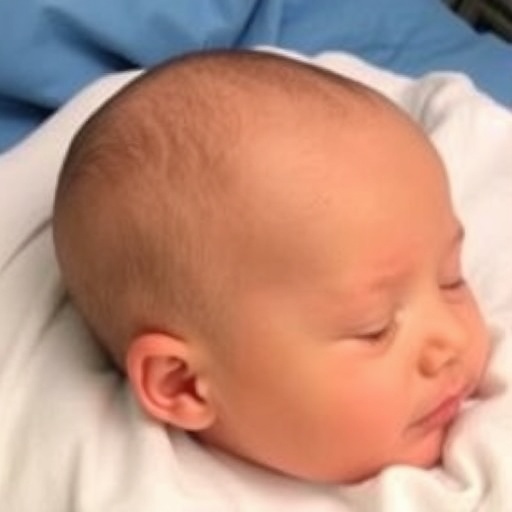
In a remarkable advancement in pediatric medicine, a groundbreaking case study has emerged regarding the coexistence of sagittal craniosynostosis and Moebius syndrome. This condition represents a unique intersection of cranial deformities and facial paralysis, shedding light on the complexities of developmental disorders in children. A team of esteemed researchers led by Kuzucu, Kale, and Asadov recently documented the first known case of this rare combination, pushing the boundaries of our understanding of both conditions. Their enlightening findings highlight the intricate relationship between cranial structure and neurological development, offering new insights into the management and treatment of affected individuals.
Sagittal craniosynostosis is a condition characterized by the premature fusion of the sagittal suture, which runs along the top of the skull from front to back. This early fusion leads to a distinct, elongated head shape and can result in increased intracranial pressure, developmental delays, and a multitude of associated complications if left untreated. In typical cases, corrective surgical intervention is often required to restore proper skull shape and accommodate healthy brain growth. The nuances of this surgical approach must be tailored to the individual needs of each patient, emphasizing the need for personalized medical care.
Moebius syndrome, on the other hand, is a rare neurological disorder that primarily affects the muscles controlling facial expression and eye movement. The etiology of Moebius syndrome is poorly understood, but it is believed to result from developmental issues in specific cranial nerves during embryonic development. This condition can lead to profound implications for social interaction and emotional expression, making the psychological and social dimensions of care just as crucial as the physical aspects. The implications of a dual diagnosis, such as sagittal craniosynostosis with Moebius syndrome, highlight the complexities faced by healthcare providers and caregivers.
In the landmark case presented in the study, the researchers provide a comprehensive analysis of the patient’s clinical history, symptoms, and treatment outcomes. This case serves as a reference point for clinicians managing similar cases in the future, illustrating the multifaceted nature of cranial and neurological disorders. By documenting the specifics of this patient’s journey, the authors hope to raise awareness of the potential for combined syndromic presentations that pose unique challenges to diagnosis and treatment.
Recent advancements in imaging technology, such as high-resolution MRI and 3D cranial reconstruction, have significantly improved our ability to assess craniosynostosis and associated anomalies. These tools allow for meticulous evaluation of both cranial and facial structures, offering insights into the potential neurological implications of cranial deformities. By integrating advanced imaging techniques with clinical findings, practitioners can devise comprehensive treatment plans that address both the physical and neurological aspects of care.
Surgical intervention remains the cornerstone of treatment for sagittal craniosynostosis, and the timing of such interventions is crucial. Performing surgery at an early age can yield the best outcomes, both in terms of alleviating intracranial pressure and enabling normal cognitive development. In cases complicated by other conditions, such as Moebius syndrome, the timing and approach to surgical correction have profound implications. Thus, multidisciplinary teams comprising neurosurgeons, craniofacial surgeons, and developmental specialists become essential in crafting an effective management strategy tailored to a patient’s multifactorial needs.
The intersection of sagittal craniosynostosis and Moebius syndrome raises pertinent questions about the genetic and environmental factors contributing to craniofacial development. While isolated cases of either condition have been documented, the convergence of these syndromes signifies the need for further genetic studies to unravel the potential shared pathways. Understanding these connections may unlock potential therapeutic avenues, paving the way for future research.
Moreover, the psychological effects of these conditions on patients and their families cannot be overlooked. Children with craniofacial anomalies and neurological challenges often face social stigma, which can adversely affect their self-esteem and social development. Therefore, a holistic approach incorporating psychological support and counseling is vital to navigate these challenges, nurturing a supportive environment for both patients and their families.
Looking ahead, continued research into the pathophysiology of both sagittal craniosynostosis and Moebius syndrome promises to enhance our understanding of craniofacial and neurological disorders. By fostering collaborations among pediatric specialists, geneticists, and researchers, the medical community can advance knowledge in the field and improve care strategies for patients facing these complex challenges.
In summary, the documentation of a case involving sagittal craniosynostosis and Moebius syndrome represents a significant milestone in pediatric medicine. As we unveil the complexities within this unique presentation, we are reminded of the necessity for comprehensive care approaches that integrate surgical intervention, neurodevelopmental assessment, and psychological support. This case not only serves the immediate needs of one patient but also contributes to the broader narrative of pediatric healthcare, guiding future research and clinical practice.
The documentation of this case serves as a crucial step in raising awareness about the intricate relationship between craniosynostosis and neurological disorders. It invites further exploration into the potential shared genetic and environmental influences that may underlie both conditions. The hope is that through these explorations, we can provide improved diagnostic tools and treatment strategies for patients facing similar multifaceted challenges in the years to come.
As we move forward, the healthcare community is urged to remain vigilant in maintaining updated knowledge on the evolving landscape of cranial and facial abnormalities. The complexities presented by cases like the one discussed highlight the need for ongoing education and research efforts, ensuring that healthcare providers are equipped to deliver the highest standard of care to their patients.
Finally, as we reflect on this notable case, many questions remain unanswered, and future studies will be crucial in unraveling the many layers of understanding around combined syndromic presentations like sagittal craniosynostosis with Moebius syndrome. The pursuit of knowledge in this area promises to unlock new pathways to healing for those affected, enhancing the quality of life for patients and their families.
Kuzucu, P., Kale, A., Asadov, İ. et al. Sagittal craniosynostosis with Moebius syndrome; case illustration: first case in the literatüre. BMC Pediatr 25, 888 (2025). https://doi.org/10.1186/s12887-025-06213-3
Cite Scienmag News
Ophelia Keating. (October 31, 2025). First Case of Sagittal Craniosynostosis with Moebius Syndrome. Scienmag. https://scienmag.com/first-case-of-sagittal-craniosynostosis-with-moebius-syndrome/
Ophelia Keating. "First Case of Sagittal Craniosynostosis with Moebius Syndrome." Scienmag, 31 October 2025, https://scienmag.com/first-case-of-sagittal-craniosynostosis-with-moebius-syndrome/. Accessed 5 September 2026.
Ophelia Keating. "First Case of Sagittal Craniosynostosis with Moebius Syndrome." Scienmag. October 31, 2025. https://scienmag.com/first-case-of-sagittal-craniosynostosis-with-moebius-syndrome/


