


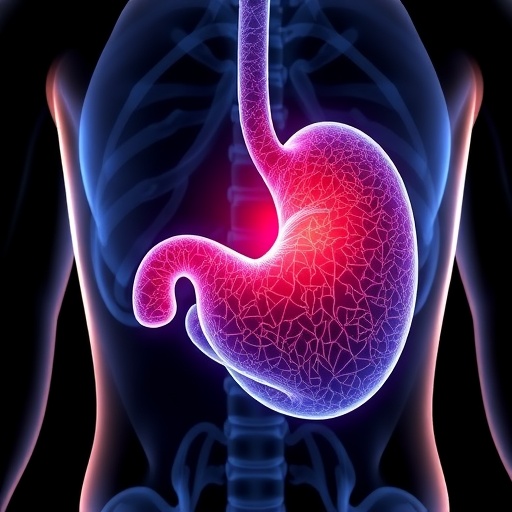
Recent advancements in cancer research have unveiled a remarkable process known as ferroptosis, which is becoming increasingly recognized for its potential implications in the treatment of gastric cancer and its associated drug resistance. This process, characterized by iron-dependent lipid peroxidation, moves us further into understanding how cellular death pathways can be manipulated for therapeutic benefits. Gastric cancer, one of the leading causes of cancer-related mortality globally, poses significant treatment challenges, making the exploration of novel mechanisms such as ferroptosis vital.
Ferroptosis stands distinct from other forms of cell death, including apoptosis and necrosis. It is triggered by the accumulation of reactive oxygen species (ROS) and is tightly linked to cellular iron metabolism. This unique form of regulated cell death arises primarily from the depletion of glutathione, an essential antioxidant that safeguards cells from oxidative stress. The intricate relationship between iron metabolism and lipid peroxidation underscores the importance of controlling cellular iron levels when seeking to exploit ferroptosis for therapeutic purposes.
Recent studies have highlighted the complex role of ferroptosis in gastric cancer, especially concerning drug resistance. Traditional therapies often fail due to the cancer cells’ ability to adapt and survive through various mechanisms. Understanding how ferroptosis can be induced in these cells presents a promising strategy for overcoming the challenges of conventional therapies. Researchers are now focusing on identifying compounds that can selectively induce ferroptosis in gastric cancer cells, thereby enhancing their susceptibility to existing treatments.
Emerging evidence suggests that specific dietary interventions and pharmacological agents could augment ferroptotic signaling pathways in cancer treatment. For instance, certain polyunsaturated fatty acids have been shown to promote ferroptosis, leading to cancer cell death. Targeting metabolic pathways involved in iron sequestration and antioxidant response may further enhance the efficacy of such approaches, making them suitable adjuncts to traditional chemotherapy.
A key component in the quest to leverage ferroptosis for therapeutic gain is its regulation by various signaling molecules. Molecules such as p53 and nuclear factor erythroid 2-related factor 2 (Nrf2) play critical roles in modulating ferroptotic responses, influencing the cellular fate in the context of cancer development. The crosstalk between these pathways presents an exciting frontier for therapeutic exploration, as manipulating their activities could create a potent environment for ferroptosis.
Moreover, the immune system’s role in the modulation of ferroptosis adds another layer of complexity to this intriguing topic. Studies have shown that the tumor microenvironment significantly influences ferroptotic activity and can dictate the effectiveness of therapies that aim to induce this form of cell death. Identifying how immune cells interact with cancer cells during ferroptotic processes may yield critical insights into the development of combination therapies that incorporate immune checkpoint inhibitors alongside agents promoting ferroptosis.
As ferroptosis gains recognition as a novel target in cancer therapy, the academic community is gearing up to explore its broader implications. There is an increasing focus on unraveling the molecular mechanisms that govern ferroptosis and its interactions with established cancer treatment paradigms. Comprehensive research in this area promises to enhance our understanding of gastric cancer biology and may result in the development of innovative treatment strategies that ultimately improve patient outcomes.
The potential of ferroptosis extends beyond gastric cancer, as it has been implicated in various other malignancies, including breast, colorectal, and prostate cancers. The universal nature of this cell death pathway raises the possibility of a broader therapeutic application across multiple cancer types, offering hope for patients who face limited options. As scientists continue to decode the complexities of ferroptosis, the possibility of discovering synergistic therapies that target multiple pathways simultaneously becomes more attainable.
Communication between researchers, clinicians, and industry will be pivotal in translating the promising findings surrounding ferroptosis into actionable therapies. Collaborative efforts to establish clinical trials focused on ferroptosis modulation are essential to evaluate the safety and efficacy of these innovative approaches in human subjects. Engaging in dialogue across disciplines will catalyze the pace of research and enhance our collective understanding of ferroptosis in the context of cancer.
With each passing day, our understanding of cancer biology grows deeper, and the promise of ferroptosis as a therapeutic modality is beginning to materialize. As researchers continue to unravel the layers of this intricate process, the potential for transforming how we approach gastric cancer therapy remains bright. Fueled by innovation and curiosity, the exploration of ferroptosis stands to revolutionize cancer treatment paradigms in the years to come, moving us closer to the realization of targeted, effective therapies that can fundamentally alter patient experiences in the face of this challenging disease.
Continued investigations will focus not only on the basic science of ferroptosis but also on the translation of these findings into clinical practice. Far-reaching implications for patient management and treatment strategies are on the horizon, as ferrototic agents could offer new hope against resistant cancer forms. As the landscape of cancer research evolves, ferroptosis remains at the forefront of revolutionary therapeutic strategies, exemplifying how a deeper understanding of cell death mechanisms could reshape the future of oncology.
In conclusion, the ongoing research into the mechanisms and applications of ferroptosis represents a significant breakthrough in our understanding of gastric cancer treatment. As scientists unravel its complexities, the hope is that ferroptosis will emerge as a key player in developing effective therapies that counteract drug resistance and improve outcomes for patients battling this challenging disease. With the relentless pursuit of knowledge and clinical advancement, the future of cancer therapy may very well hinge on harnessing the power of ferroptosis.
Cite Scienmag News
Nathaniel Bowman. (November 28, 2025). Ferroptosis: A Breakthrough in Gastric Cancer Treatment. Scienmag. https://scienmag.com/ferroptosis-a-breakthrough-in-gastric-cancer-treatment/
Nathaniel Bowman. "Ferroptosis: A Breakthrough in Gastric Cancer Treatment." Scienmag, 28 November 2025, https://scienmag.com/ferroptosis-a-breakthrough-in-gastric-cancer-treatment/. Accessed 5 September 2026.
Nathaniel Bowman. "Ferroptosis: A Breakthrough in Gastric Cancer Treatment." Scienmag. November 28, 2025. https://scienmag.com/ferroptosis-a-breakthrough-in-gastric-cancer-treatment/


