


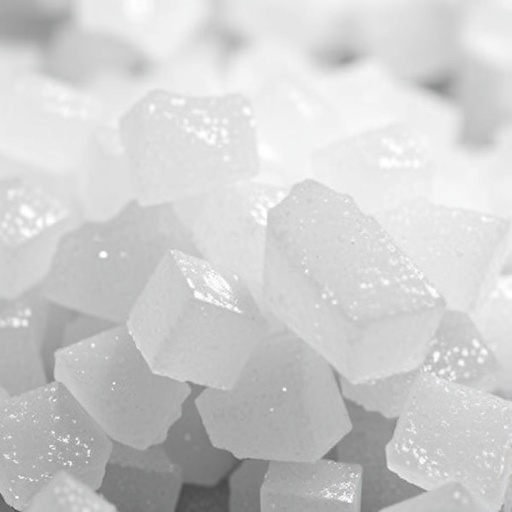
In a groundbreaking study published in the journal Ionics, researchers from leading institutions have unveiled the complex interplay between electrochemical behavior and the formation of magnesium (Mg) in the molten salts LiCl–KCl system when an additive, fluoride ion (F−), is introduced. This research represents a significant leap in our understanding of metal deposition in molten salt electrolytes, a crucial component for advancing technologies such as energy storage and metal processing.
At the core of this study lies the exploration of the molten LiCl–KCl system, a medium that has been extensively employed in various electrochemical processes. This system offers a unique environment for studying metal behaviors due to its ionic characteristics and high thermal stability. The researchers aimed to investigate how the addition of fluoride ions could alter the electrochemical dynamics, specifically regarding the deposition of magnesium.
Fluoride ions are known for their distinctive chemical properties, which can significantly influence the activity of metal ions in electrolytic solutions. The inclusion of F− in the LiCl–KCl system was hypothesized to promote favorable electrochemical conditions for magnesium ions, facilitating their discharge and subsequent deposition. This hypothesis set the stage for a detailed examination of the electrochemical reactions occurring within the molten salt matrix.
The team employed advanced electrochemical techniques, including cyclic voltammetry and chronoamperometry, to dissect the behavior of magnesium ions in the presence of fluoride. Their experiments revealed that the presence of fluoride significantly alters the reduction potential of magnesium ions, enabling deposition at lower overpotentials than previously observed. This finding is pivotal as it implies that fluoride can serve as a catalyst in enhancing the efficiency of magnesium electroplating processes.
Additionally, the research highlighted the formation of magnesium fluoride (MgF2) during the electrochemical processes. The authors discussed how the precipitation of MgF2 can be beneficial for stabilizing magnesium deposits, as it potentially mitigates issues related to dendritic growth—a common challenge in metal electroplating that leads to poor deposit quality and structural integrity. The ability to suppress dendrite formation is paramount for achieving high-quality magnesium deposits suitable for various applications.
In the context of renewable energy, efficient magnesium deposition has implications for battery technology, particularly in the development of magnesium-ion batteries. These batteries promise to be safer and offer higher energy densities compared to their lithium-ion counterparts. The insights from this study could pave the way for more efficient manufacturing methods, ultimately leading to better performance of energy storage devices.
The findings weren’t just limited to theoretical implications; the experimental methods employed by the researchers were meticulous and carefully designed to validate their hypotheses. By varying the concentrations of fluoride ions and monitoring the resultant effects on magnesium deposition, the team established a clear correlation between the amount of additive used and the efficiency of magnesium reduction. This systematic approach underscores the rigor of their research and emphasizes the significance of additive chemistry in electrochemical systems.
Moreover, the implications of this research stretch beyond just magnesium. Understanding how fluoride ions interact with other metal ions in similar molten salt systems could open new avenues for metal recovery and processing technologies. The ability to manipulate ionic interactions in molten salts presents exciting opportunities for applying this knowledge across various fields, including metallurgy, waste recycling, and even environmental remediation.
With the ongoing global push for cleaner energy solutions, this research holds promise not just for enhancing battery technologies but also for developing sustainable processes that minimize ecological impact. Magnesium’s inherent abundance and low toxicity make it an appealing candidate for replacement in existing energy systems that rely heavily on more harmful materials.
Equally significant is the potential for further studies that extend this research framework to explore other additives and their effects on different metal ions in molten salt systems. This could lead to a deeper understanding of the intricate relationships between ionic compounds and metal deposition mechanics, fundamentally altering how specific metals are utilized in various applications.
In summary, the collaborative efforts of Wei, Li, and Yang et al. provide critical insights into the electrochemical behavior of magnesium in a molten LiCl–KCl environment, specifically through the lens of fluoride ion influence. The implications of these findings could reshape practices in electrochemistry, metal processing, and ultimately contribute to the development of sustainable technologies that harness the vast potential of magnesium-based systems.
As this groundbreaking work circulates within the scientific community, it will undoubtedly inspire further investigation into the multifaceted roles of ionic additives in electrochemical processes, underscoring the importance of innovation in materials science and engineering. The quest for efficient, environmentally friendly materials continues to be a cornerstone of contemporary research, with the potential to drive significant advancements in the future.
Through this pivotal research, the authors have not only crystallized our understanding of magnesium behavior in molten salts but have also set the stage for a cascade of future innovations that could influence various industries and contribute to a sustainable future.
Wei, H., Li, M., Yang, T. et al. Electrochemical behavior and formation of Mg regulated by additive F− in a molten LiCl–KCl system. Ionics (2025). https://doi.org/10.1007/s11581-025-06526-4
Cite Scienmag News
Denise Maddox. (August 5, 2025). F− Additive Shapes Magnesium’s Electrochemical Behavior in Molten Salts. Scienmag. https://scienmag.com/f%e2%88%92-additive-shapes-magnesiums-electrochemical-behavior-in-molten-salts/
Denise Maddox. "F− Additive Shapes Magnesium’s Electrochemical Behavior in Molten Salts." Scienmag, 5 August 2025, https://scienmag.com/f%e2%88%92-additive-shapes-magnesiums-electrochemical-behavior-in-molten-salts/. Accessed 4 September 2026.
Denise Maddox. "F− Additive Shapes Magnesium’s Electrochemical Behavior in Molten Salts." Scienmag. August 5, 2025. https://scienmag.com/f%e2%88%92-additive-shapes-magnesiums-electrochemical-behavior-in-molten-salts/


