


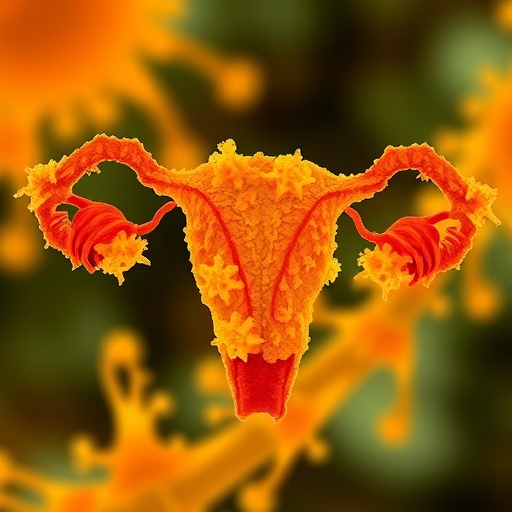
In a groundbreaking study led by researchers Zeynep E.U. Korun, Zeynep S. Halbutogullari, and Yasin Yazir, the potential of using quercetin-loaded extracellular vesicles derived from mesenchymal stem cells (MSCs) has shown remarkable promise in enhancing ovarian function, particularly after cyclophosphamide-induced damage. Cyclophosphamide, a chemotherapeutic agent commonly used in cancer treatment, has detrimental side effects that can severely impair ovarian function, causing long-term fertility issues in women. The discovery that these specialized vesicles can offer a protective effect marks a significant advancement in reproductive medicine, showing that MSC-derived products can potentially serve as therapeutic agents to restore ovarian health.
The research conducted by the team focuses specifically on how these quercetin-loaded extracellular vesicles can influence the ovarian microenvironment in cases of chemotherapy-induced damage. Quercetin, a natural flavonoid with known antioxidant and anti-inflammatory properties, has been shown to exhibit protective effects on various tissues. By encapsulating this bioactive compound within the extracellular vesicles of MSCs, the researchers aimed to harness its benefits while also utilizing the natural regenerative properties of the vesicles, which are involved in cell-to-cell communication and tissue repair.
In their experimental approach, the researchers employed a cyclophosphamide-induced model to simulate ovarian damage. This method allowed them to rigorously evaluate the effectiveness of the quercetin-loaded extracellular vesicles in a controlled environment. The experiments revealed that these vesicles not only improved ovarian histology but also significantly restored hormone levels and follicle development in treated subjects. This finding provides compelling evidence supporting the therapeutic application of MSC-derived vesicles in ameliorating adverse effects caused by chemotherapeutic agents.
The restoration of ovarian function through the application of these vesicles is particularly noteworthy. The researchers documented enhanced levels of estradiol and progesterone hormones, which are critical for regulating reproductive cycles and maintaining pregnancy. Their findings suggest that the quercetin-loaded extracellular vesicles facilitate the recovery of ovarian function, thus potentially preventing the long-lasting fertility problems associated with cyclophosphamide treatment. This aspect of the research is crucial, as it not only impacts current cancer therapies but also addresses a significant concern for women who wish to preserve their fertility during and after cancer care.
Another critical component of the study involved examining the mechanisms through which these extracellular vesicles exert their beneficial effects. The researchers proposed that the vesicles may modulate inflammation and oxidative stress, common pathways involved in drug-induced ovarian damage. By reducing the levels of inflammatory cytokines and promoting antioxidant activity, the quercetin-loaded vesicles appear to create a more favorable environment for ovarian tissue regeneration. This insight into the underlying biological processes enhances our understanding of how such therapies can be developed and refined for clinical use.
The implications of this research extend beyond individual treatments. By exploring the potential of MSC-derived extracellular vesicles, the study paves the way for a new class of regenerative therapies that could be used to treat various forms of organ damage. In particular, the combination of natural compounds like quercetin with advanced cell therapy techniques could inspire future innovations in regenerative medicine, potentially offering holistic solutions to damaged reproductive systems and beyond.
As the study garnered attention within the scientific community, it opened up a dialogue about the future directions of research in this field. Scientists are now encouraged to investigate the scalability of producing quercetin-loaded extracellular vesicles and whether similar strategies could be employed for other types of tissues affected by chemotherapy or other damaging agents. This research may also lay the groundwork for clinical trials aimed at evaluating the safety and efficacy of such therapies in human populations.
Moreover, the straightforward nature of using naturally derived compounds from MSCs aligns well with current trends in personalized medicine and biotherapeutics. As the medical field shifts toward recognizing the value of using biologically derived products, this research stands at the forefront of combining innovation with nature to drive therapeutic advancements. The potential to tailor treatments based on an individual’s specific cellular and hormonal environment further redefines how we approach restoring reproductive health in women.
This pioneering study on quercetin-loaded extracellular vesicles provides a glimpse into a future where the ability to mitigate the life-altering consequences of chemotherapy on ovarian function is not only possible but achievable. As researchers continue to unravel the complexities of this approach, it will be essential to consolidate these findings with clinical evidence that supports the efficacy of such therapies. Patients and healthcare providers alike are hopeful for strategies that not only improve outcomes in oncology but also preserve quality of life by addressing fertility concerns head-on.
In summary, the remarkable findings from Korun, Halbutogullari, and Yazir demonstrate a significant leap forward in understanding the interaction between quercetin-loaded mesenchymal stem cell-derived extracellular vesicles and ovarian function following chemotherapy. As further investigations proceed, the realization of safe, effective treatments that empower women facing fertility issues due to cancer treatment may soon transform the landscape of reproductive health. The hope lies in the potential for these innovative therapies to bridge the gap between treating cancer effectively and preserving the essential aspects of women’s health, encapsulating the essence of holistic medical progress.
As we anticipate future developments stemming from this research, it is crucial to stay informed about ongoing studies and clinical applications derived from these findings. The journey from laboratory research to bedside application can often be long, yet the enthusiasm surrounding such promising results serves to motivate researchers and advocates alike in the mission to alleviate the adverse effects of cancer treatments on women’s fertility.
Korun, Z.E.U., Halbutogullari, Z.S., Yazir, Y. et al. Quercetin-loaded mesenchymal stem cell derived extracellular vesicles enhance ovarian function in a cyclophosphamide induced ovarian damage.
J Ovarian Res 18, 229 (2025). https://doi.org/10.1186/s13048-025-01838-5
Cite Scienmag News
Nathaniel Bowman. (October 27, 2025). Extracellular Vesicles Boost Ovarian Function Post-Cyclophosphamide. Scienmag. https://scienmag.com/extracellular-vesicles-boost-ovarian-function-post-cyclophosphamide/
Nathaniel Bowman. "Extracellular Vesicles Boost Ovarian Function Post-Cyclophosphamide." Scienmag, 27 October 2025, https://scienmag.com/extracellular-vesicles-boost-ovarian-function-post-cyclophosphamide/. Accessed 9 September 2026.
Nathaniel Bowman. "Extracellular Vesicles Boost Ovarian Function Post-Cyclophosphamide." Scienmag. October 27, 2025. https://scienmag.com/extracellular-vesicles-boost-ovarian-function-post-cyclophosphamide/


