

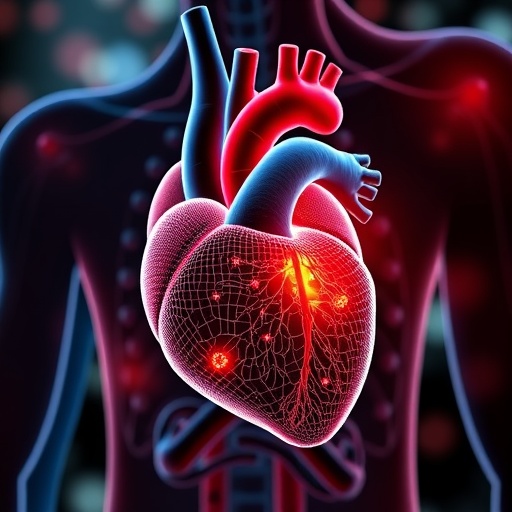
In recent years, the intricate relationship between the human gut microbiota and cardiovascular health has emerged as a groundbreaking area of biomedical research, radically reshaping our understanding of heart failure pathogenesis. Heart failure, a complex clinical syndrome characterized by impaired cardiac function and high morbidity, is now increasingly recognized to be influenced by the dynamic ecosystem of microorganisms residing in the gastrointestinal tract. This “gut-heart axis” represents a bidirectional communication network whereby gut microbes impact cardiac metabolism, inflammation, and structural integrity, while cardiac dysfunction reciprocally alters gut microbial composition and barrier function.
At the core of this axis lies the concept of gut dysbiosis, a state characterized by an imbalance favoring pathogenic bacteria over beneficial commensals. Such microbial imbalance fundamentally compromises intestinal barrier integrity, leading to increased permeability or “leaky gut.” This breach in gut homeostasis allows translocation of toxic microbial byproducts such as lipopolysaccharides (LPS) into systemic circulation. Circulating LPS acts as a potent endotoxin that triggers systemic inflammatory responses, which exacerbate cardiac remodeling processes including fibrosis and hypertrophy—hallmarks of progressive heart failure.
Beyond endotoxemia, gut microbiota produce a diverse array of metabolites that profoundly influence cardiac physiology. Notably, trimethylamine N-oxide (TMAO), a metabolite derived from dietary choline and L-carnitine via microbial metabolism, has been intricately linked with enhanced atherogenesis, pro-fibrotic signaling, and adverse cardiac events. Elevated plasma TMAO levels correlate with increased risk of myocardial infarction, stroke, and mortality in heart failure patients, establishing it as both a biomarker and potential pathogenic mediator. Contrastingly, other gut-derived metabolites such as short-chain fatty acids (SCFAs), primarily acetate, propionate, and butyrate, exert cardioprotective effects by modulating host immune responses, reducing oxidative stress, and enhancing myocardial energy metabolism.
Bile acids (BAs), synthesized in the liver and modulated by gut microorganisms, further contribute to this complex biochemical interplay. Alterations in bile acid composition can affect vascular tone, inflammation, and cardiac contractility through engagement of receptors such as FXR and TGR5. This axis highlights how microbial metabolism intricately interfaces with host signaling pathways to influence cardiovascular outcomes.
Recognizing the gut microbiota as a modifiable factor opens exciting therapeutic avenues in the management of heart failure. Current strategies under exploration include the administration of probiotics to replenish beneficial bacterial populations and attenuate systemic inflammation. Certain probiotic strains have demonstrated efficacy in regulating immune homeostasis and improving endothelial function in preclinical heart failure models. Additionally, fecal microbiota transplantation (FMT) emerges as an innovative intervention aiming to restore microbial diversity and resilience by introducing a healthy donor microbiome, though clinical evidence in cardiovascular settings remains preliminary.
Dietary modulation represents another cornerstone of gut-heart axis therapeutics. Diets rich in fiber and phytonutrients, such as the Mediterranean diet, promote production of SCFAs and inhibit the accumulation of deleterious metabolites like TMAO. Nutritional approaches have shown promise in reducing systemic inflammation, improving lipid profiles, and enhancing myocardial mitochondrial function, collectively translating to improved cardiac outcomes.
Pharmacological agents targeting gut microbial metabolism are also under development. For example, inhibitors of microbial enzymes responsible for TMA production have exhibited potential in lowering circulating TMAO concentrations, thereby mitigating its harmful cardiovascular effects. Such targeted therapies embody the principles of precision medicine, tailoring interventions to individual microbial and metabolic profiles.
The bidirectional nature of the gut-heart axis underscores the need for integrated research approaches employing multi-omics technologies. Metagenomics, metabolomics, and transcriptomics collectively provide in-depth insights into microbial community structure, functional capacity, and host responses, enabling comprehensive elucidation of pathogenic mechanisms. Harnessing these tools will facilitate the identification of novel biomarkers and therapeutic targets, accelerating the translation of microbiome science into clinical practice.
As the field advances, personalized microbiota-based interventions may revolutionize heart failure treatment paradigms. By restoring microbial equilibrium and modulating metabolite profiles, it is conceivable to attenuate inflammation, reduce myocardial fibrosis, and enhance cardiac energy metabolism. Such strategies hold promise not only for improving survival rates but also for enhancing quality of life among heart failure patients.
In conclusion, the emerging evidence cements the gut microbiota as a pivotal player in heart failure pathophysiology, operating through multifaceted biochemical and immunological pathways. This interplay offers unprecedented opportunities for early diagnosis, risk stratification, and innovative therapeutics that transcend conventional cardiology. Future clinical trials and translational studies will be essential in validating these concepts and developing safe, effective microbiota-targeted therapies that can be integrated into routine cardiovascular care.
Subject of Research: Gut microbiota’s impact on heart failure and cardiovascular disease mechanisms.
Article Title: Decoding the impact of gut microbiota on heart failure
News Publication Date: 1-Nov-2025
References:
Shuhong Zhao, Lingxuan Dan, Rong Huang, Zhuoyu Shen, Dan Huang, Pan Wu, Zhenguo Ma, Decoding the impact of gut microbiota on heart failure, Genes & Diseases, Volume 12, Issue 6, 2025, 101592, DOI: 10.1016/j.gendis.2025.101592
Image Credits: Genes & Diseases
Keywords: Gut microbiota, heart failure, gut-heart axis, gut dysbiosis, trimethylamine N-oxide, short-chain fatty acids, bile acids, systemic inflammation, cardiac remodeling, probiotics, fecal microbiota transplantation, cardiovascular health


