


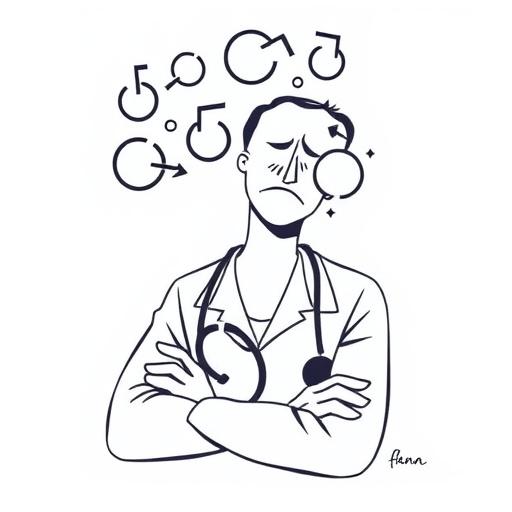
In the intricate world of healthcare, a pressing challenge looms: effective communication about serious illness between patients and their medical practitioners. An insightful new study has emerged from Canada, aiming to delve into this critical interaction, particularly focusing on oncology patients situated within general internal medicine wards. This exploration not only highlights the intricate dynamics involved in doctor-patient discussions but also reveals the emotional undercurrents that patients face when confronting their health.
The research led by I. Caven, W. Lewin, H. James, and their colleagues sought to uncover the fears and barriers related to communication about serious illnesses. By employing a mixed-methods approach, the study is poised to offer a nuanced understanding of the patient experience in these high-stakes environments, where the looming presence of uncertainty can create significant emotional turbulence. This endeavor is particularly important in oncology, where the seriousness of discussions can significantly impact patient outcomes and emotional well-being.
Initial findings from the study indicate that oncology patients often grapple with substantial fears when it comes to discussing their conditions. These fears can stem from various sources, including the potential implications of medical discussions on their treatment options, prognoses, and the emotional strain of confronting mortality. As healthcare providers, understanding these fears is paramount in fostering an environment where patients feel empowered to engage in open and honest communication regarding their health status.
The mixed methods of the study allowed researchers to gather both quantitative and qualitative data, providing a comprehensive view of patient perspectives. Interviews with patients revealed that many feel intimidated or overwhelmed during medical consultations. Such feelings often stem from an inherent power imbalance between patients and healthcare professionals, where patients may feel they lack the knowledge or authority to actively participate in their treatment discussions.
Furthermore, the research underscores the importance of adopting a patient-centered approach in healthcare communication. Clinicians are encouraged to be more aware of the emotional landscape their patients navigate during discussions of serious illness. By establishing trust and rapport, healthcare providers can help alleviate some of the apprehensions that patients face, thus paving the way for more meaningful conversations about their individual health journeys.
Among the significant revelations of the study is the observation that many patients wish for more direct and clear communication about their conditions, treatment options, and prognosis. There is an evident desire for transparency, yet many patients struggle with the fear of receiving bad news, which complicates their willingness to engage in deeper discussions. This intricate balance between the need for information and the fear of potentially distressing outcomes forms a critical focal point for ongoing training and education among healthcare professionals.
Effective communication extends beyond mere information exchange; it also encompasses empathy and emotional support. The study indicates that patients greatly value healthcare providers who listen to their concerns, acknowledge their fears, and provide reassurance during tough discussions. Addressing these relational dynamics can significantly enhance patients’ experiences and ultimately lead to improved health outcomes.
Additionally, the timing of communication plays a crucial role in the patient experience. Patients expressed that discussions about their illnesses should happen at points where they feel emotionally ready to engage. The challenge arises in finding the right moment—a task that demands sensitivity and insight from healthcare professionals. As such, training in emotional intelligence and communication strategies becomes essential in equipping providers to navigate these complicated terrains effectively.
The implications of the study extend beyond just oncology wards. The findings highlight a broader need for improved communication strategies within the healthcare system at large. By understanding the fears associated with serious illness conversations, healthcare professionals throughout various specialties can adopt practices that prioritize patient autonomy and facilitate informed decision-making without inciting additional anxiety.
Moreover, the role of family and support systems in serious illness communications cannot be overlooked. The study reveals that many patients prefer involving family members during discussions about their health. This involvement can provide additional emotional support and help patients articulate their concerns more effectively. Encouraging family engagement not only strengthens the support network for patients but also creates a shared dialogue that can enhance the overall communication process.
As the conversation around serious illness communication evolves, it is imperative to utilize the insights gleaned from such research to inform policies and practices within healthcare institutions. Initiatives aimed at training healthcare professionals on effective communication strategies should be a priority, ensuring that future generations of providers understand the psychological complexities of patient interactions.
The necessity for further research into this area remains clear, particularly as the demographics of patients continue to change. As societal attitudes toward illness and patient care evolve, so too must the methods adopted by healthcare providers to engage in these critical conversations. Continuous studies will help refine best practices, ultimately resulting in a healthcare system better equipped to address the needs and fears of patients facing serious illnesses.
The findings from Caven et al. present a compelling call to action for healthcare systems. By acknowledging the emotional dimensions of serious illness communication and adjusting approaches accordingly, providers can not only enhance patient experiences but also contribute to more effective healthcare delivery. As the dialogue continues, a shared commitment to improving communication in healthcare remains essential in fostering a landscape where patients feel heard, supported, and empowered.
In summary, the exploration of serious illness communication through this mixed-methods study highlights the complexities involved in patient-provider interactions within oncology. It showcases the importance of understanding patients’ fears and emphasizes the need for empathy, transparency, and family involvement in navigating these discussions. As healthcare systems strive toward more patient-centered approaches, these insights will be crucial in redefining how serious illnesses are communicated and understood.
Caven, I., Lewin, W., James, H. et al. “What are you afraid of?” A mixed methods exploration of serious illness communication with oncology patients on general internal medicine wards in Canada.
BMC Health Serv Res 25, 1348 (2025). https://doi.org/10.1186/s12913-025-13512-z
Cite Scienmag News
Nathaniel Bowman. (October 10, 2025). Exploring Serious Illness Communication in Oncology Patients. Scienmag. https://scienmag.com/exploring-serious-illness-communication-in-oncology-patients/
Nathaniel Bowman. "Exploring Serious Illness Communication in Oncology Patients." Scienmag, 10 October 2025, https://scienmag.com/exploring-serious-illness-communication-in-oncology-patients/. Accessed 5 September 2026.
Nathaniel Bowman. "Exploring Serious Illness Communication in Oncology Patients." Scienmag. October 10, 2025. https://scienmag.com/exploring-serious-illness-communication-in-oncology-patients/


